



























































Different Paths, One Climate Goal
Limited access to funding, mentorship, and training is also a persistent challenge, especially outside major cities.

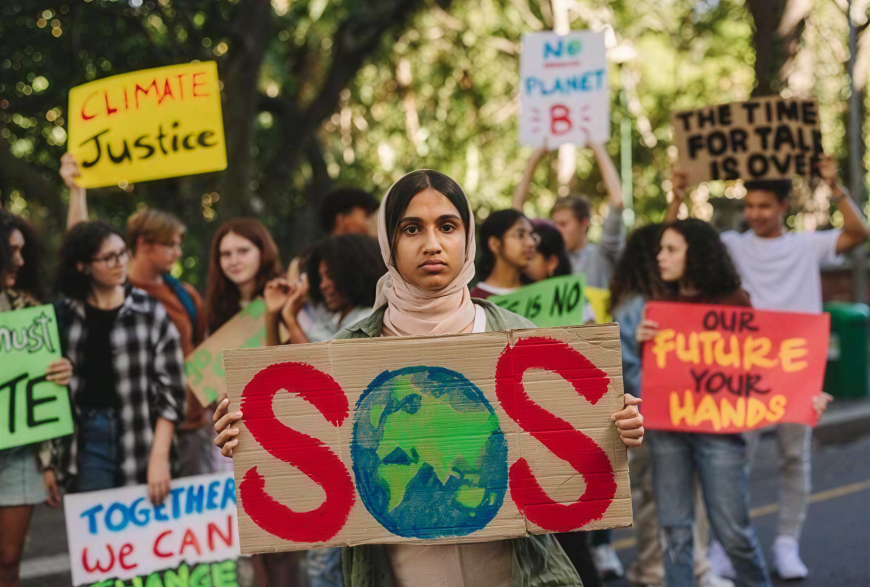
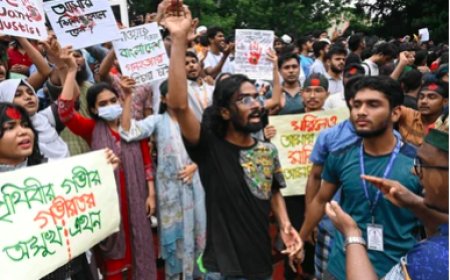
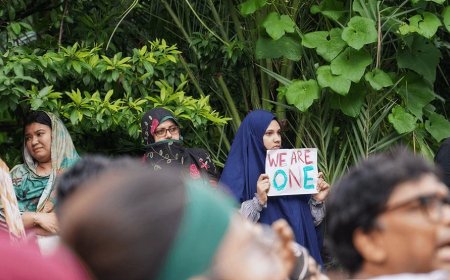
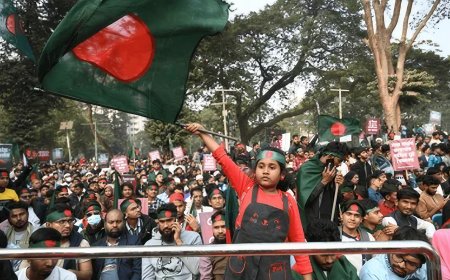
Bangladesh's youth refuse to sit idle, as climate change and increasing hazards have become very common. They do not wait for any leader; they move forward united as the change-makers addressing one of this century’s greatest challenges.
Young Bangladeshis are leading movements, conducting research, creating awareness, and demanding justice from urban areas to coastal villages. As a Disaster Science graduate, I understand the motivation to work in this sector with an academic background.
But surprisingly, not everyone comes from academic platforms related to environmental science or climate studies. Many come from business, arts, or communication backgrounds, driven by their own interest rather than credentials.
I spoke with two young individuals to understand what inspired them to take action on climate change.
Two Pathways, One Goal
In Bangladesh’s evolving climate movement, two young women, Jasmima Sabatina and Sadia Hossain Mim, reflect a generation refusing to look away. One comes from environmental science, the other from business studies. Yet, their journeys share one message: Climate action is everyone’s responsibility.
Jasmima, an Environmental Science and Disaster Management student, represents a research-driven approach to activism. Her journey began in classrooms, debate clubs, and campaigns before reaching global platforms.
Inspired by Greta Thunberg, she joined international youth networks, including YOUNGO, the official children and youth constituency of UNFCCC, and was recognized as an ICIMOD Climate Himalaya Champion. Her work connects academic research with field experience, translating environmental data into accessible advocacy for climate-affected communities.
Sadia, a second-year BBA student, entered climate action through volunteering with the youth-led OAB Foundation. Her involvement soon grew into leadership.
She co-led a human chain in Rampura-Badda for better waste management and organized school art projects promoting recycling and cleanliness. Using her business and management skills, she mobilizes volunteers, coordinates teams, and keeps communities engaged.
Their paths are different, but their visions converge. Jasmima hopes to see youth-led research shape national policy and local innovations gain wider recognition.
Sadia wants every student, regardless of academic background, to find a role in climate action. Their stories show that climate activism is not limited to specialists; Young people from different disciplines can contribute through research, leadership, advocacy, and community action.
Why the Youth Are Rising Now
Youth climate activism in Bangladesh is increasingly visible. As one of the world’s most climate-vulnerable countries, Bangladesh has a young generation facing the consequences of a crisis they did little to cause.
For them, climate action is not simply a slogan; it is a matter of survival and responsibility. Digital platforms and international networks such as YOUNGO, Oxfam’s Youth Climate Champions, and the Youth Adaptation Network have opened opportunities for young Bangladeshis to connect, collaborate, and bring local realities into global climate discussions.
This movement also carries a strong sense of climate justice. Young Bangladeshis increasingly connect climate action with dignity and equity. Rather than asking for sympathy, they seek meaningful participation in decision-making and climate frameworks, including Loss and Damage.
Yet, willingness to act does not always come with enough knowledge or support. UNICEF’s 2021 report, Rising to the Challenge: Youth Perspectives on Climate Change and Education in Bangladesh, found that 94% of surveyed youth were willing to act on climate change if given the necessary support, while 91% wanted stronger government action.
Although 77% said climate change was included in their school curriculum, half could not explain climate change or global warming. The gap is clear: The motivation exists, but stronger education and institutional support are needed.
Turning Challenges into Action
Despite the growing momentum of youth climate activism in Bangladesh, young change-makers still face deep-rooted challenges. Poor coordination among youth organizations remains a major barrier.
Many groups work passionately but in isolation, often repeating similar efforts. A government-authorized Youth Climate Action Hub could improve coordination, strengthen collective voices, and help set shared priorities.
Institutional recognition is another concern. Young activists are often celebrated in speeches but left out of real decision-making. Ministries and agencies should include youth representatives in national climate bodies and advisory councils, where their ideas can influence action.
Limited access to funding, mentorship, and training is also a persistent challenge, especially outside major cities. Small grants and leadership programs could help youth-led projects grow and encourage greater participation in rural areas.
The gap between academic research and field-level action also needs attention. Research often remains within universities, while grassroots activists may lack the resources to generate and use evidence. Stronger partnerships between universities and youth networks could bridge this divide.
Although more young activists are entering research, stronger links between scientific knowledge and grassroots experience are still needed. Gender and social barriers further limit participation. Young women may face bias and safety concerns, while youth from rural and marginalized communities remain underrepresented.
Supporting women-led groups, creating safe spaces, and expanding mentorship across regions can help make Bangladesh’s youth climate movement more inclusive and equitable.
Channeling Youth Power into Climate-Smart Development
To sustain youth-led climate action in Bangladesh, institutions must move beyond symbolic support and build genuine partnerships with young people. Universities should integrate climate awareness across disciplines, while policymakers must give youth a meaningful role in shaping climate policies and resilience strategies.
NGOs and youth networks should collaborate rather than duplicate efforts, and the private sector can support green startups, innovation, and sustainability initiatives.
Bangladesh’s youth are already connecting science with society, local action with global dialogue, and activism with practical solutions. With the right guidance and institutional support, their determination can become a powerful force for climate-smart development.
The task now is not simply to applaud young people, but to give them the space, resources, and opportunities to lead. Bangladesh’s climate story can then be one of resilience and determination, carried forward by its youth.
Samiha Saleha is working at the International Centre for Climate Change and Development (ICCCAD) as a Research Officer for the LLA Program.