

























































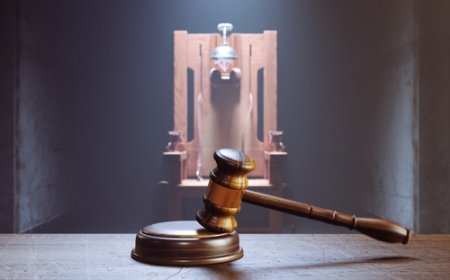
In the end, this is not merely about the fate of one leader. It is about whether Bangladesh chooses a future built on due process and political inclusion, or one defined by courtroom theatrics and punitive exclusion. Right now, the scales are tilted dangerously toward the latter.
From five charges to two: The shifting charges in the Hasina trial
The UN response to the Hasina verdict affirmed the moral and factual weight of the case, acknowledged the reality of mass state violence, and confined its criticism to a doctrinal anti-death-penalty stance it applies uniformly in every country.
This verdict of the International Crimes Tribunal is not merely the conclusion of one case; it is the beginning of the journey toward a new Bangladesh -- a Bangladesh that will be founded on justice, human rights, and the rule of law.
The judgment of the Tribunal is therefore not only a sentence against one person; it is a declaration that no one, however powerful, stands above the law of the Republic. The arc of justice has finally bent toward Bangladesh.

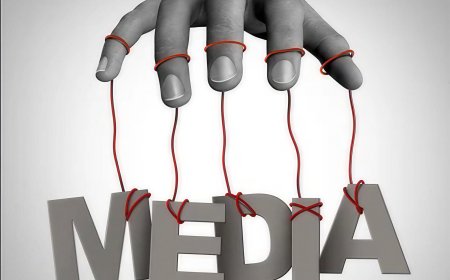
The RT interview came in the midst of a concerted public relations blitz by Hasina and her supporters, which included a number of interviews from the deposed Prime Minister to friendly Indian media outlets.