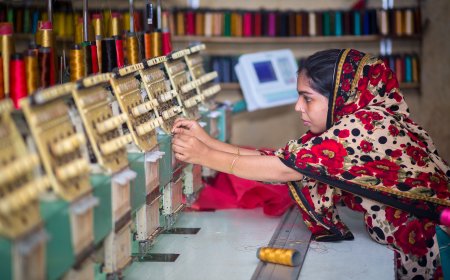











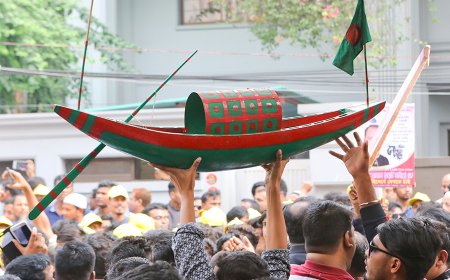
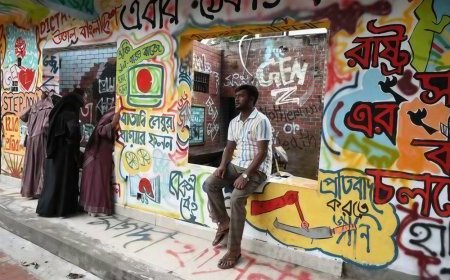






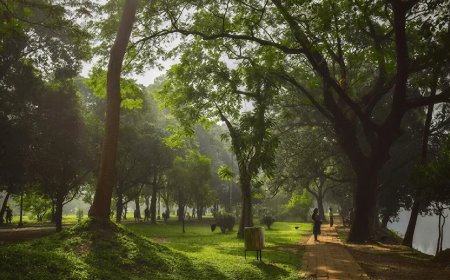































I want to live here. The songs, textiles, village craftsmanship and spiritual imagination I love belong to this place. Culture is part of how I know Bangladesh and why I remain attached to it. No political party owns that attachment.
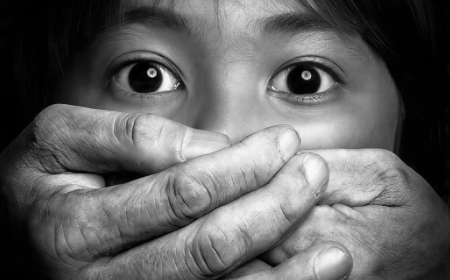
When a grown man rapes an 11-year-old and society's first instinct is to ask whether the girl was "of age," the problem is no longer just one predator. It is a collective willingness to call a psychiatric disorder a matter of taste.
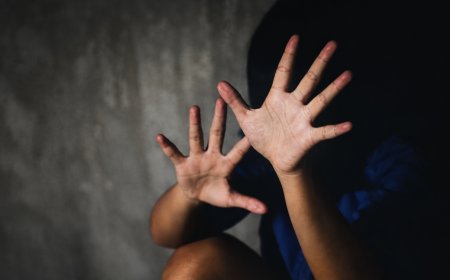
A parent's anger does not authorize violence; neither does a crowd's religious fervour. If the public argument remains fixated on the slap while a child and her family face fear, we will have learned something unsettling about our hierarchy of concern.
To halt this blind expansion of those who cannot tolerate any difference of opinion, and to protect our collective future, rising against this destructive system and radically transforming it is the greatest demand of our time.

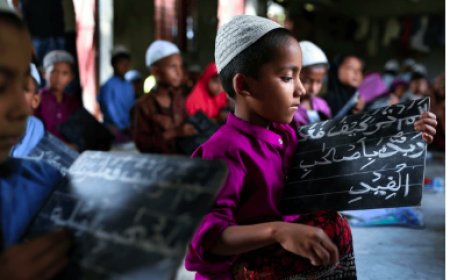
The success of a country's moral education cannot be measured by looking at children's lips. If you want to measure it, ask whether a seven-year-old child can sleep safely at night inside that institution.

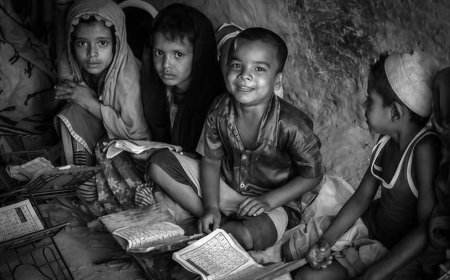
The country is no longer simply divided by class and by geography. It is now divided into four different kinds of society defined by education, language, migration, and access to power: expatriates, English-medium graduates, Bangla-medium graduates, and Madrasa-educated students.