

































































Bangladesh’s foreign policy has entered a period in which strategic balance, with the core guiding principle of “Bangladesh First” will be increasingly important.
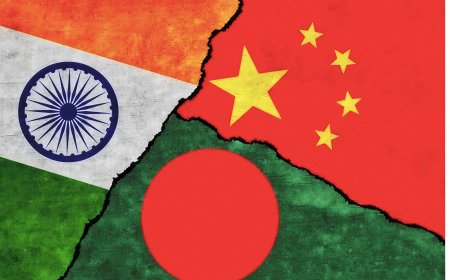
Bangladesh does not need an India-first, China-first, Russia-first or West-first foreign policy. It needs a Bangladesh-first foreign policy. And perhaps the simplest test of such a policy is this: Which choice leaves the country with more doors open?
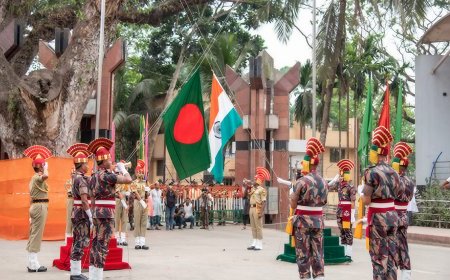
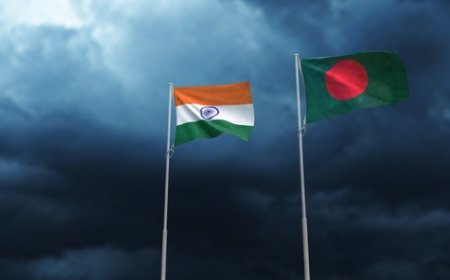
Bangladesh and India have repeatedly attempted to reset their relationship, but deep-rooted disagreements over sovereignty, regional power, strategic autonomy, water sharing, and economic reciprocity continue to undermine trust.
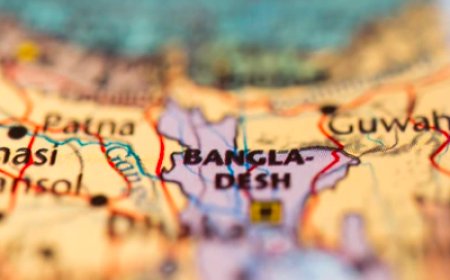
The ultimate test should be simple: Does membership enhance Bangladesh's security, economic interests and diplomatic leverage while preserving its freedom to make independent decisions? If the answer is yes, the pact deserves serious consideration. If it threatens strategic autonomy, caution should prevail.
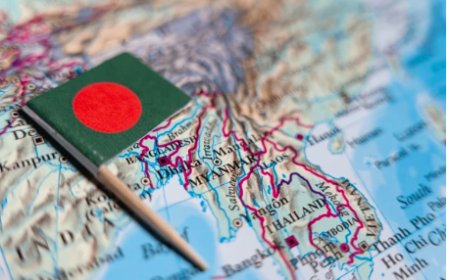
If autonomy matters only in relation to one great power while compliance with another is rebranded as "technical cooperation," then Bangladesh has not escaped dependency. It has merely changed its address.
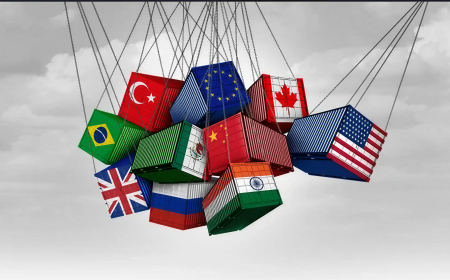
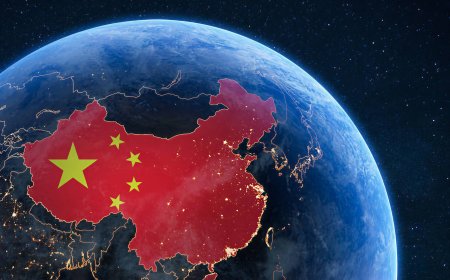
Engagement with China is presented as proof of resistance against Western dominance. Good relations with India become synonymous with regional stability. Foreign policy becomes a performance of political identity rather than a framework for advancing long-term national interests.
The significance of this visit lies in whether Dhaka brings the political alignment and focused preparation to match it. The advance preparation of specific project proposals, the investment conference architecture, and the push on FTA negotiations suggest it does.
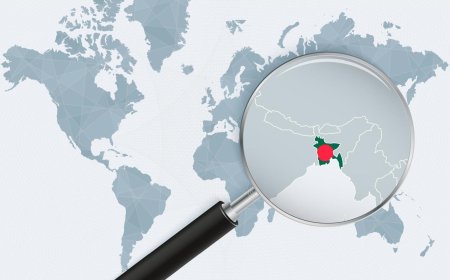
The country maintains an extensive diplomatic presence, with around 83 missions abroad, including embassies, high commissions, and consulates.
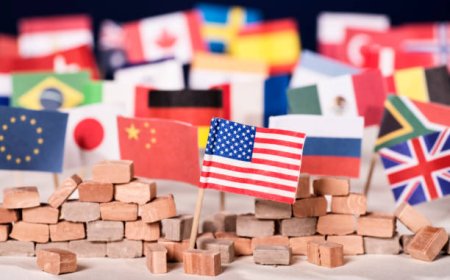
Bangladesh is a small fish in a big pond. Mr. Rahman must show enough courage to defend the country’s sovereignty while recognizing Bangladesh’s limits and acting rationally as a national statesman: That requires him not to design foreign policy based on whatever the prevalent mood is on social media.

The right to live in peace is not a gift from empires. It is a demand, shouted into the barrels of their guns. It is a world, built stone by stone, in the ruins they leave behind.
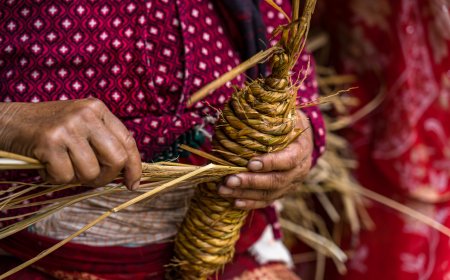
What Bangladesh lacks is not culture, talent, or stories -- but the vision and infrastructure to translate them into sustained soft power
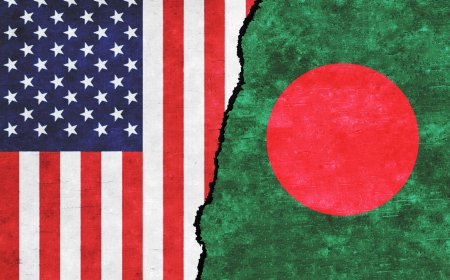
All things considered, it's remarkable that Bangladesh -- by no means a US ally or top partner -- is where it is right now: In a relatively stable place with one of the most unconventional and unpredictable US administrations in recent memory.

Soon we will no longer be able to rely on Prof Yunus's global reputation to smooth things over with allies and adversaries alike. It is time for Bangladesh to invest in its diplomatic capacity. The future belongs to those who can skillfully maneuver on the world stage.