






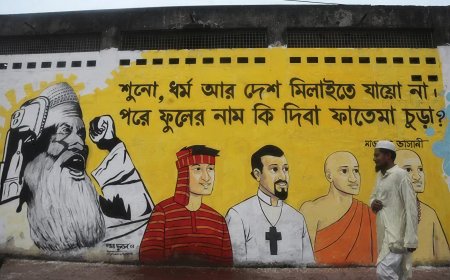

















































IN a post-modern Bangladesh where everyone has their own truth and we have no shared history or experience, how do we come together to build the nation?
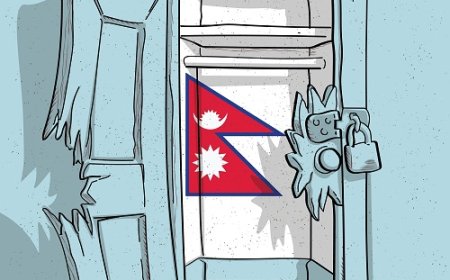
What can those who hope to rule Bangladesh post-elections learn from recent events in Nepal, and what are the twin threats that it will need to face down?

The country stands at a dangerous precipice. Will we go down the road of division for political gain or will we get down to the hard work of building a nation? It is time to stand up and be counted.

And what lesson is there for Bangladesh about the culture of political violence and trying to find common ground instead of using bullets and brickbats to resolve our differences?
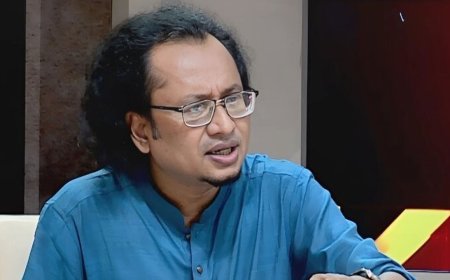
Democracy depends on two simple protections: that people can speak, and that they will not be killed for speaking. In Bangladesh, labeling someone a nastik is painting a target on his back, and should be seen for the incitement to violence that it is.

Nearly nine out of ten respondents support the February election timing, nearly seven out of ten believe the Interim Government will deliver it, and over nine out of ten say that they will vote.

Episode 5 of The J-Z Show compares Nepal’s Gen Z uprising to Bangladesh’s youth revolt, exploring common grievances, emerging political dynamics among students, and what these movements signal for the future.

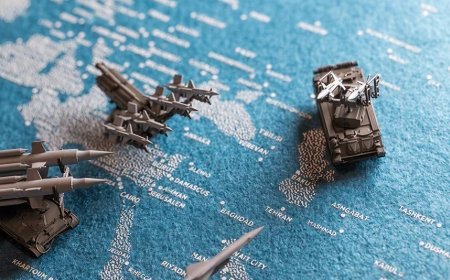
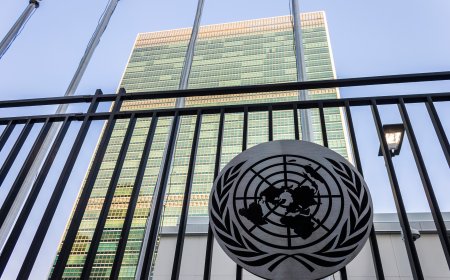
Bangladesh has a long and storied history as a key player in international peace and security. Defense modernization must keep in this in mind. Upholding global peace and justice needs to continue to be part of the nation's brand.
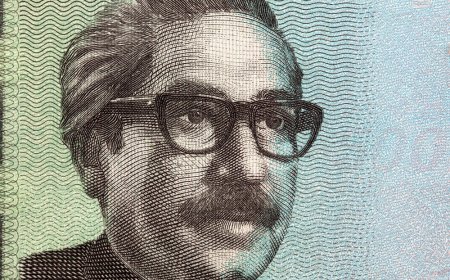
An interim government, by definition, should not be working to any ideological agenda. But the Yunus regime appears to be doing precisely that.
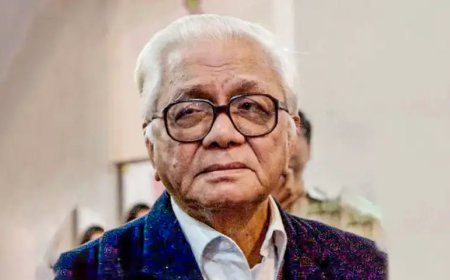
Badruddin Umar was a giant of Bangladeshi letters. This remembrance outlines his scholarly and intellectual contribution without glossing over his limitations, and mourns the passing of a seminal thinker and historian.

We can have free and fair elections if the political will is there. If the political parties commit to it, then it can happen.

What four students at the university of Chittagong have to say about the Rohingya crisis in 2025

Episode 4 of The J-Z Show unpacks Bangladesh’s political future, dissecting rumors of interim governments and military roles while exposing why conspiracy theories thrive in the absence of trust and transparency.

Bangladesh needs to protect itself and its intellectual property in the age of artificial intelligence. Do our leaders and decision-makers understand what is at stake?
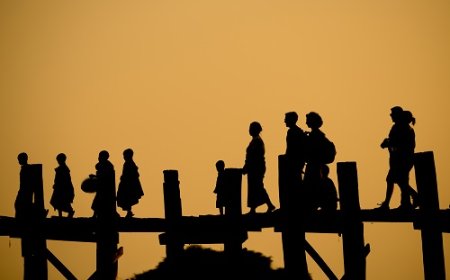
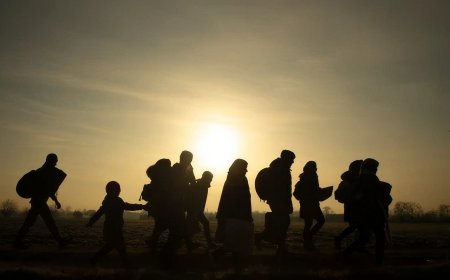
Bangladesh’s model of Rohingya containment is not a temporary holding pattern -- it is politically and economically rewarding for the state. International actors must stop sustaining it.

It is long past due for Biman to start fulfilling its potential and becoming a cornerstone of the Bangladesh development story