
























































Breathing Space or Time to Act?
Postponing LDC graduation won't help us unless we use the time to fundamentally turn things around.

Bangladesh was scheduled to graduate from the United Nations list of least developed countries (LDC) on November 24. Graduation means that a country has built the economic and institutional capacity to cope without the special preferences for LDCs in the international trade regime.
Bangladesh may have met the criteria for graduation statistically for quite some time, but the UN’s evaluation suggests that the capacity to withstand post-graduation adverse effects remains weak.
In February 2026, the Government of Bangladesh asked the UN Committee for Development Policy (CDP) to push the date back by three years, citing nine separate crises comprised mostly of external shocks and domestic economic and political issues. The committee’s crisis assessment report, released in May 2026, conclusively states that a shorter extension of the preparatory period would appear more conducive for a sustainable graduation. Moreover, it tells a story that is worth reading closely because it tells a rather revealing story than the one suggested by the government.
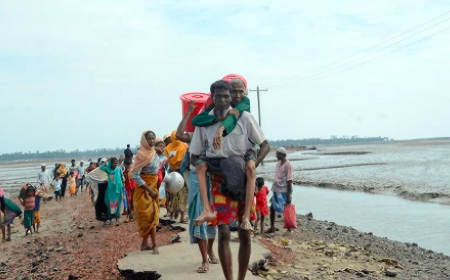
Bangladesh’s request rested on nine reasons: The lingering effects of COVID-19, the war in Ukraine, tight global financial conditions, delays in the recovery of world trade, disruptions from the Middle East and the Red Sea, uncertainty in the global trade regime, irregularities in the financial sector, the change of government following the uprising of July 2024, and the unresolved situation of Rohingya refugee crisis. The request can be justified only if the nine identified items remain unresolved, continues to pose significant concerns, and falls within a timeframe that supports the need for an additional extension.
The CDP assessment finds that most of these nine reasons describe problems that have either already run their course or were already factored into earlier decisions about Bangladesh's LDC-graduation timeline. COVID-19 is described as an impact already absorbed, and one that was more moderate in Bangladesh than in most developing countries. The war in Ukraine hurt the economy, but it was largely short-term and already considered in the Committee’s 2024 review.
Tightening global financial conditions raised borrowing costs and put pressure on the currency, but the resulting debt burden remains moderate in the IMF’s own assessment. Delays in the recovery of world trade have already reversed, with Bangladesh’s exports growing again after a brief slowdown, thanks to the RMG sector. Even the Rohingya crisis, although not sufficiently resolved, has been part of the graduation conversation since 2021 and is not a new development.
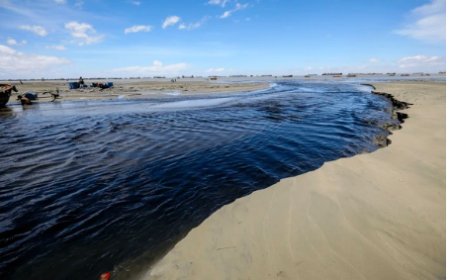
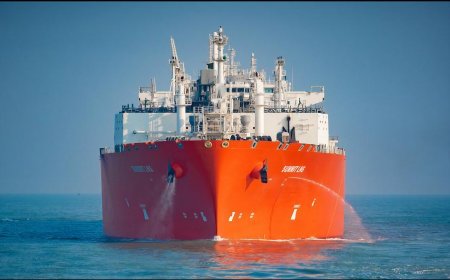
That leaves the conflict in the Middle East that intensified in early 2026. The full-scale consequences of this external shock are yet to be conclusively forecasted since it is still evolving. But the implications for Bangladesh are nevertheless already predictably visible. Bangladesh depends heavily on imported oil and liquefied natural gas (LNG), and Qatar alone supplies 78 percent of its LNG imports. A war in the Gulf threatens not just price but delivery. Remittance earnings are also exposed.
Any disruption to labor markets there, even a temporary one, would hit Bangladesh's foreign exchange position with a lag that would hit the foreign currency valuation hard. The effects are already visible as the IMF has cut its growth forecast, and inflation projections have been revised upward. But even here, the committee’s conclusion is telling. It does not strictly say this shock threatens Bangladesh’s eligibility to graduate. It says the shock threatens Bangladesh’s capacity to respond. And in explaining that capacity problem, the report keeps circling back to three domestic structural weaknesses.
First is the banking sector, where non-performing loans reached 30.6% of total loans by December 2025, an exceptionally high rate compared to those of regional competitors and to the global standard. The capital adequacy fell to just 5.6% , which is less than half the regulatory minimum. The government was forced to absorb resolution costs equivalent to 0.5% of GDP following the merger of five troubled Islamic banks, for which the NPL rate is roughly 70%. CDP identified this as a crisis rooted in connected lending, weak regulation, and politically influenced ownership.
Second is the revenue system. Government revenue declined from 7.4 to 6.8% of GDP, leaving Bangladesh with the lowest tax-to-GDP ratio in South Asia and the world, limiting its fiscal capacity to absorb external shocks. What makes revenue generation particularly difficult is that it reflects political choices as much as technical constraints. While reforms such as a wealth tax were proposed, they were ultimately abandoned, leaving the state dependent on indirect taxation with a reduced tax base.
Third is trade preparedness.
The lack of export diversification, combined with the absence of free trade agreements with key trading partners, places Bangladesh in a vulnerable position as it enters the post-LDC trade regime. Bangladesh only began pursuing a formal trade arrangement with the European Union in 2026, years after competitors such as Vietnam and India had already secured preferential access through FTAs. In the CDP’s diplomatic phrasing, Bangladesh must strengthen its trade negotiation capacity.
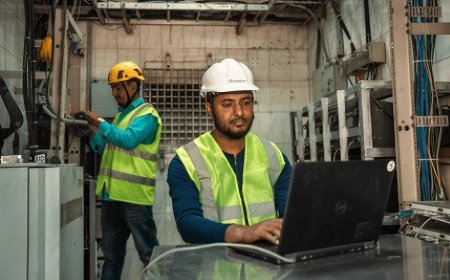
Moreover, a crisis in the energy sector pulls back industrial growth and exacerbates the inflationary pressure. Bangladesh's energy sector is import-dependent, financially overstretched, and structurally broken. BPDB is overburdened with arrears, subsidies, and losses. Annual losses alone reached Tk 50,565 crore in FY25, requiring nearly five billion dollars in subsidies to sustain.
Decades of bad management and rent-seeking produced a landscape of politically connected, overpriced energy contracts awarded without competition or due diligence, generating excess profits shared between businesses, politicians, and bureaucrats.
The consequence is reduced competitiveness and a genuine risk of deindustrialization if cost-recovery tariffs are imposed.
Furthermore, Heavy dependence on Gulf-originated LNG and oil leaves domestic industries, particularly export-oriented industries such as RMG, exposed to cascading shocks across production and logistics costs. These three structural vulnerabilities, combined with the Power and Energy Sector crisis, are inherently linked to the political economy structure of the country.
The banking sector crisis and the weak revenue base are not just regulatory failures. They are what happens when an economy is badly managed for decades to give way to vested interests, informal deals, and rent-seeking activities at the expense of competition, productivity, and well-being. A small set of politically connected actors captures the gains from an oligarchic economic arrangement and a concentrated export model; eventually, that same concentration of power is what later allows them to capture bank lending and avoid taxation.
The third CDP-identified problem, weak trade negotiation capacity, follows the same logic in a different form. A government that has spent two decades managing one dominant sector rather than building several has significantly compromised its technical expertise and practice negotiating market access for a diversified economy.
That is why the framing of external shocks matters less than it first appears. The Middle East war is real, and it arrived at the worst possible time. But an external shock is a stress test. What determines whether a country passes that test is the strength of its institutions and its level of sectoral readiness, and competitive thrust, capacities that LDC graduation implicitly assumes are inherently built.
This extension should therefore be read not only as an assessment of risk, but as an invitation to introspection and targeted interventions about the reforms needed for a successful post-LDC transition. But there is a deeper structural problem sitting underneath that deserves equal attention as Bangladesh enters its elongated preparatory period.
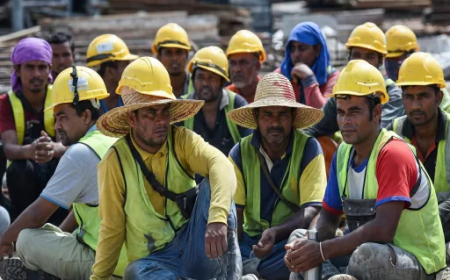
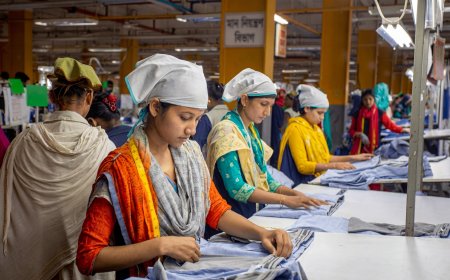
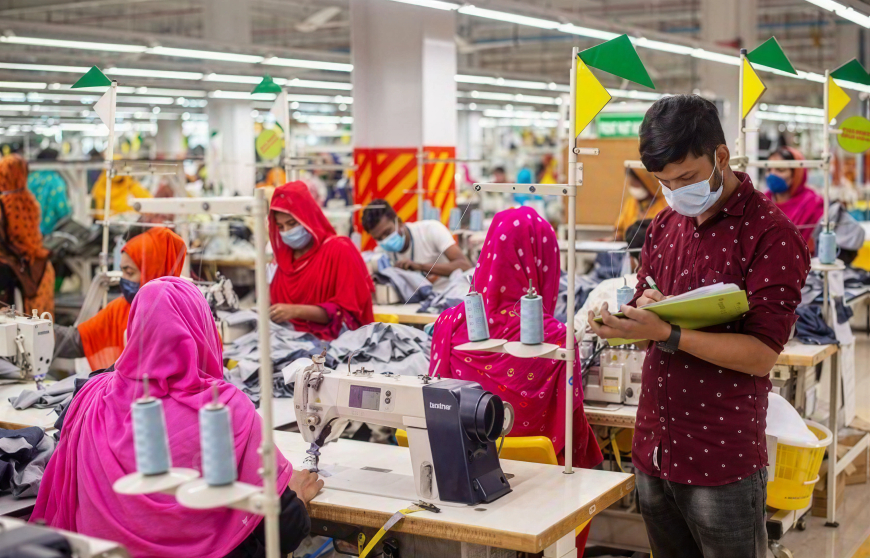
Bangladesh's manufacturing sector and the resulting export basket are heavily concentrated in ready-made garments (RMG), accounting for roughly 80 percent of total exports since the beginning of industrialization. Other industries that could have grown into genuine "thrust sectors," from agro-processing to light engineering, never received the sustained policy attention.
The result is an economy with one dominant export pillar and very little behind it. This concentration is the country's single greatest point of vulnerability. A shock to RMG, whether from preference loss, a competitor's trade deal, or a shift in buyer demand, is a shock to the entire economy at once.
The consequences run deeper than trade exposure alone. Standard economic theory expects that as agriculture's share of GDP shrinks, workers move into higher productivity industrial jobs. In Bangladesh, that shift has only partly happened. From the demand side, manufacturing sectors outside RMG have not expanded fast enough to absorb the country's young and growing workforce. Instead, some of that labor has been pushed into informal, service sector work.
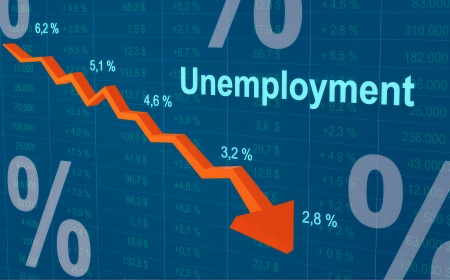
These jobs tend to offer poor conditions, low wages, and almost no productivity growth over time. And a greater portion of the young workforce remains unemployed. This is often described as jobless growth. This also explains why higher-value service sectors have struggled to develop. Logistics, banking, healthcare, and IT-enabled services typically grow alongside a strong manufacturing base, feeding off its demand and its supply chains. Without that manufacturing core extending beyond garments, these service sub-sectors remain underdeveloped. They are not generating the high-skill employment a graduating economy needs.
None of this is accidental. Three barriers explain why non-RMG industrialization has stalled. The first is a weak institutional arrangement and inconsistent policy execution. For instance, Special Economic Zones have been planned for years, but implementation has been sluggish due to a lack of enabling measures. The second is a human capital deficit, a supply-side story of missed opportunities. Bangladesh's education was not restructured for the demands of an advanced manufacturing economy that requires a high-skilled technical labor force. The implications are already manifest. The third barrier is political.
The current system generates large and predictable rents for those already invested in it. Political and business elites, along with the bureaucracy, benefited from the existing setup, and so genuine reform in the respective sectors continues to face resistance from exactly the people positioned to enact it.
This is where a coherent implementation strategy matters most. To ensure a smooth transition, Bangladesh needs to prepare itself within this brief preparatory window for a diversified, job-creating, industrial, competitive economy and a bureaucracy capable of managing it. We need a set of sector-specific interlinked strategies with a simultaneous coordinated implementation roadmap and an action plan. The government's Smooth Transition Strategy already recognizes this reality.
It is structured around five pillars: Macroeconomic stabilization, market access preservation, export diversification, productive capacity expansion, and international partnership deepening. This preparatory period gives Bangladesh a real opportunity to break older patterns only if the response goes beyond diagnosis and damage control and addresses the structure itself.
We identify a set of priorities aligned with but not limited to the STS and CDP’s crisis assessment. Firstly, Bangladesh's energy security strategy must address structural vulnerabilities in the energy sector, particularly the financial unsustainability of BPDB, which carries lasting implications for industrial competitiveness. We must delegate our immediate policy concerns to maintain manageable power tariffs for the exporting industries to keep the production cost under control.
Renegotiating the overpriced contracts, strengthening competition and due diligence instead of collusive arrangements in Power Purchasing Agreement (PPA), risk sharing and liability redistribution in power contracts, revising and gradually phasing out the capacity payment regime, rationalizing the energy availability and generation capacity, and strong and independent regulatory oversight are top priorities for internal management.
Besides, diversification of energy sources through multiple trade routes, accelerated offshore gas exploration, expanded renewables, and broader LNG supply partnerships are now a strategic imperative. A clear time-bound roadmap is needed to deal with the existing losses, arrears, and recurring subsidies in BPDB to make it a sustainable entity.
Secondly, restoring banking sector governance and building a credible financial market by stabilizing the stock market and diversifying products in the capital market should be an immediate priority for the government to consolidate a strong domestic investment climate for private sector borrowing. As the interest rate is comparatively high, alternative capital formation is necessary.
Transforming the capital markets in Bangladesh requires key structural, regulatory, and fiscal reforms to reduce the economy’s heavy reliance on bank loans. The capital market diversification should account for introducing both bond and equity instruments. Bangladesh must streamline regulatory approvals and integrate trading platforms to boost bond liquidity, while offering stronger corporate tax incentives to attract high-quality equity listings. This dual approach will effectively shift long-term infrastructure and industrial financing away from volatile bank loans toward deep, sustainable capital markets.
A flourishing capital market will, in turn, attract greater FDI inflows, supporting sustained industrial growth.
Thirdly, Bangladesh collects too little from too few. The lowest tax-GDP ratio is not simply a matter of administrative capacity; it is also an illustration of (perhaps, lack of) political will sufficiently backed by concerted efforts from the pro-reform alliance. Several cases under the tenure of the Interim Government are readily available to inform us that only political will is not enough to spearhead reform initiatives.
The informal economy has been allowed to persist outside the fiscal net, and bolder proposals like a wealth tax were floated and quietly buried under pressure. Strengthening the operational capacity of the NBR, a transparent and digital revenue collection process, and reducing tax-related harassment are crucial. Arbitrary tax exemptions should be avoided. Good governance and the rule of law are also instrumental in harnessing public trust, which has a positive impact on revenue collection. Without a serious expansion of the tax base, fiscal space for industrial transformation will remain illusory.
Fourthly, national industrial policy needs a genuine rethink. Decades of protectionism have not built competitive industries. They have built dependent ones. What Bangladesh needs now is a business environment that rewards productivity by lowering costs of doing business, raising the ease of doing business, a credible trade facilitation and preparedness strategy, and incentives tied to employment and export performance rather than lobbying leverage.
Public procurement can increase demand for emerging industries, while targeted employment-linked tax incentives can cultivate the next generation of export sectors such as agro-processing, electronics, leather goods, light engineering, and green technologies. The architecture that was built for RMG needs to be pointed at a wider set of emerging industries. Vietnam did it successfully. South Korea did it earlier. The question is whether Bangladesh is willing to learn the lessons from those similar regional experiences.
Moreover, much of Bangladesh's industrial output still depends heavily on imported inputs, putting pressure on the exchange rate and foreign reserves. Building local backward linkages, supported by innovation and better technology adoption, would reduce that dependency and keep more value inside the domestic economy. To ensure post-LDC market access, Bangladesh must comply with tighter rules of origin to get access into the EU and the USA. Trade-based and production-based value chain addition needs to be prioritized.
We also need to acknowledge that trade policy reform connects directly to the trade preparedness gap discussed earlier. Tariff incentives should be brought into line with WTO rules, and the long-standing bias against exports needs to be addressed directly. Besides, sustainability measures, technical product standards, and compliance regimes are preconditions for market access in the EU and the USA.
Those requirements will become considerably tougher in the post-LDC period. Bangladesh needs to move faster on free trade agreements with key partners and build a stronger regional framework across South Asia. Trade agreements mean little if goods cannot move efficiently. Bangladesh's logistics sector has not kept pace with its trade ambitions. Congested ports, slow customs clearance, inadequate airport hangar capacity, and unreliable freight services raise the cost of doing business and erode trade competitiveness.
The national freight rail service framework should be modernized and implemented to create a broad-based, efficient industrial network. Logistics reform also needs to focus on ensuring energy security. The completion of the LNG terminal at Matarbari port is essential for energy security. Bangladesh currently faces an annual infrastructure investment gap of approximately USD 8 billion and ranks 105th on the WEF Global Competitiveness Index.
Lastly, Bangladesh needs an education system that produces adaptive, skilled, and market-compatible workers to navigate an impending structural shift in the economy. A revised curriculum suitable to incorporate post-LDC and 4Th industrial revolution aspects, upskilling and reskilling programs, qualified teachers and instructors at the secondary, higher secondary, and diploma levels, paired with sustained public and private investment in digital training, performance-based and job placement-driven TVET programs, are necessary to align the workforce with modern manufacturing demands.
A more productive, diversified workforce generates more taxable income and reduces the pressure on a banking system currently propping up low-productivity, rent-seeking borrowers. Some of these priorities are not quick fixes, we recognize. They require mandated political will and strong allies within state machineries, business groups, and political forces. The question is not of financial resources or design principles, but the rare alignment of actors and their interests, who care. Bangladesh does not lack ideas or diagnoses.
The Smooth Transition Strategy (STS) already names many of these same problems. What has been missing is the willingness and the collective capacity to resist pressure to act on them when doing so threatens entrenched interests. The extension Bangladesh has been given is not just time to stabilize the banking sector or raise tax revenue.
It is time to begin shifting away from a trade preference, subsidy, and low-wage-based economic model toward one built on genuine productivity, diversification, and competitiveness. If that shift does not begin now, graduation will arrive as a deadline survived rather than a transition prepared for, and the same vulnerabilities will simply wait for the next shock to expose them again.
Mohammad Asaduzzaman is a research director and Jahid Hossain is a researcher at Dacca Institute of Research & Analytics (daira).