






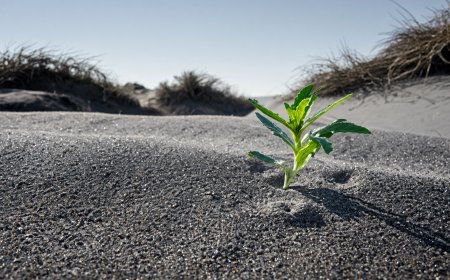












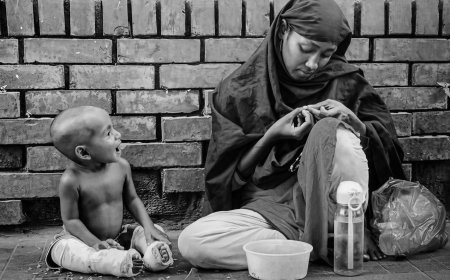





























Safer to enter, harder to run: The revised rules may slow digital banks on their way to the underserved.

Bangladesh survived many mistakes during the past several decades because growth was strong enough to absorb them. The next decade may be different. The countries that prosper in this new world will not necessarily be those with the smartest experts.

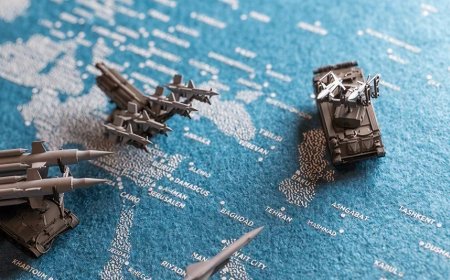
China can simply keep enough doors open for Iran to survive and enough alternatives available for other Middle Eastern states to avoid choosing the US alone.

The most significant cost of Bangladesh’s new government pay scale may not be measured in government expenditure. It may be measured in incentives.

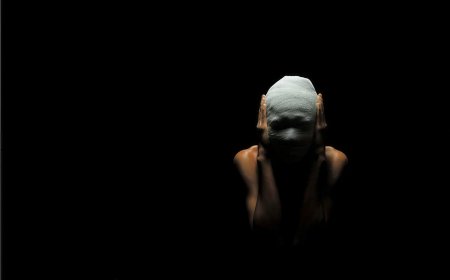
The feeling had already taken root, silent and complete, somewhere he could not reach to tear out. And already, deep in the grammar of a lifetime, he could feel the old instinct stirring: The wall beginning, stone by patient stone, to rebuild itself.

The irony is brutal. The same patriarchal system that renders her life intolerable also provides the only sanctioned route out of it.
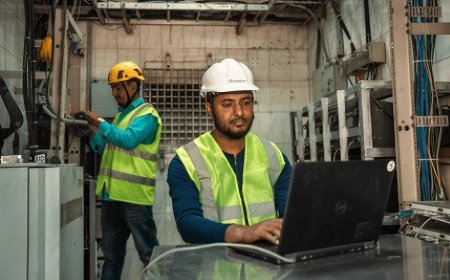
Creating jobs, then, isn’t only economic policy. Done alongside effective law enforcement, it is a policy for dignity, social stability, and ultimately crime prevention. One hand must enforce the law. The other must build something worth not risking.

The novel ends with a revolution. It ends with violence, bloodshed, and irreparable loss. But in that loss, lies a freedom, a sense of ownership of one’s identity, of standing with what one believes in.
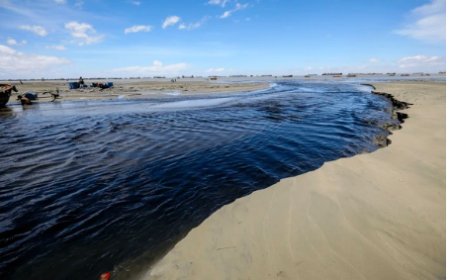
The historical responsibility for climate change belongs to the developed world, yet the extreme price is still being paid by our marginalized coastal people.
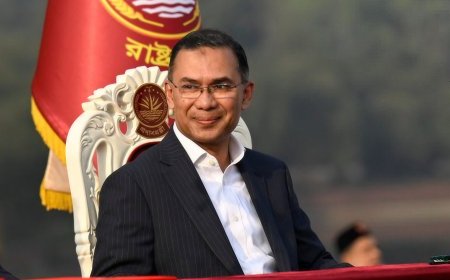
Bangladesh’s foreign policy has entered a period in which strategic balance, with the core guiding principle of “Bangladesh First” will be increasingly important.

In the hands of Flaubert, Lawrence or Duras, lust becomes a way of exposing the small humiliations, private fantasies and enormous vanities that people spend their lives concealing.
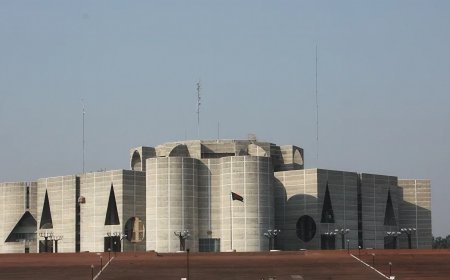
Democracies have one great corrective: The election, the moment citizens who handed over power can take it back.

Horror films can provide feminists with analytic tools to fight complacency and despair. Saturating viewers/witnesses with discomfort, they show the fragility of the symbolic order and open up ways toward alternative imaginaries.
A country cannot prosper by shutting the world out. Nor can it prosper by opening itself so completely that others determine the terms. Hospitality works because it is reciprocal.
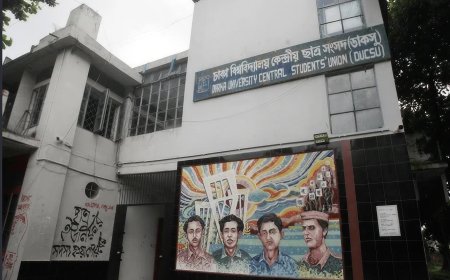
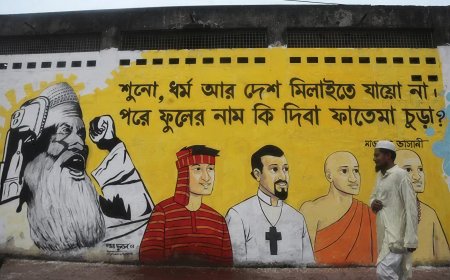
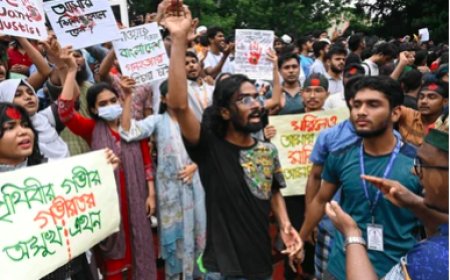
The controversy over DUCSU’s refurbished museum is not really about whether Jinnah belongs on the wall. It is about something more consequential: Who gets to decide which parts of Bangladesh’s political past remain visible.