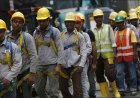



















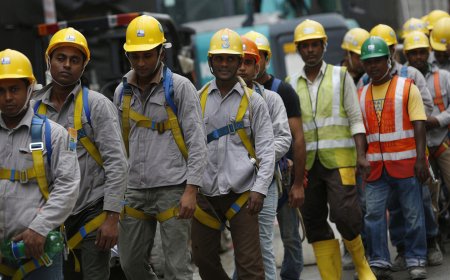





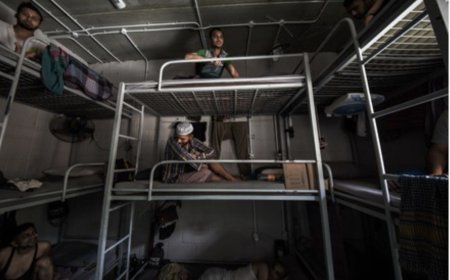
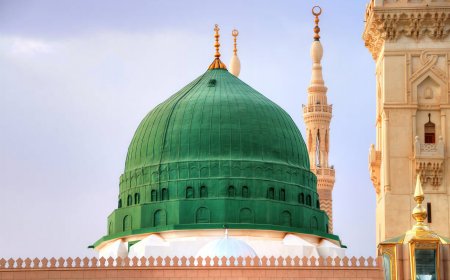











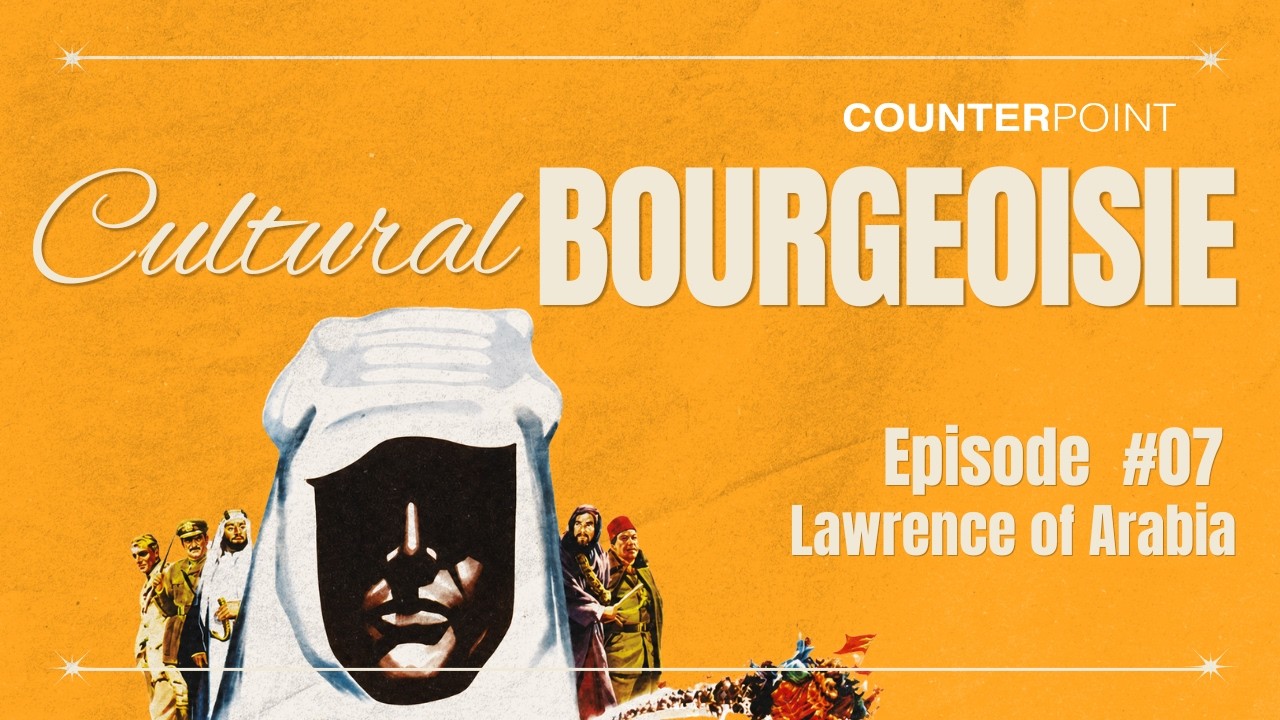





















This dependence cuts both ways. If the Saudi market were to close for any reason, the impact on Bangladesh's employment would be significant, particularly since other major markets such as Oman, the UAE, Bahrain, and Malaysia have not reopened at scale.
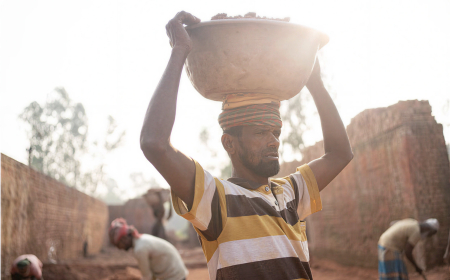
A group was huddled within the narrow shadow of a work pickup truck eating a minimal meal, beneath that smile lies an invisible, chronic condition damaging the lungs with microscopic sharp particles
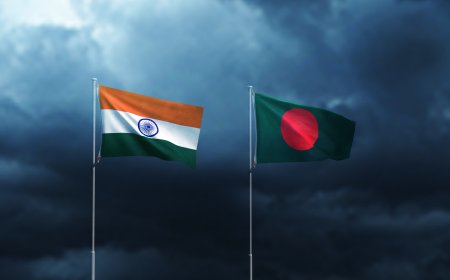
As Hasina professes a desire to return to Dhaka, then both governments should commit to taking steps to allow her to do so. Not as a returning prodigal daughter, but as a fugitive accused and convicted of crimes against humanity.

True sovereignty begins at home, built from the ground up through economic, cultural, and ecological self-determination.
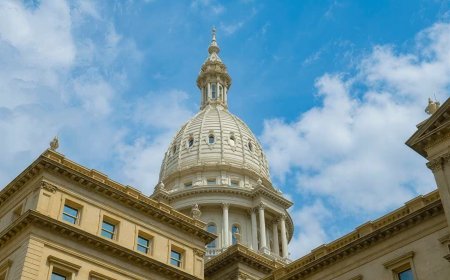
The Michigan primary was not merely a victory for one candidate. It demonstrated that authenticity could withstand unprecedented financial pressure. It showed that principled leadership still resonates with voters.
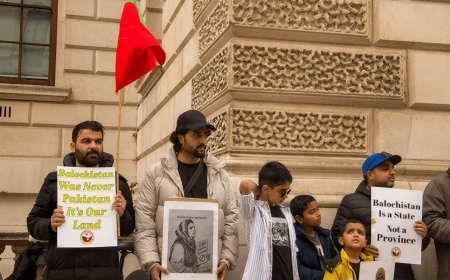
Its economy survives on IMF support with reserves near depletion. Its own defence minister accuses India of funding the insurgency, an allegation India denies.
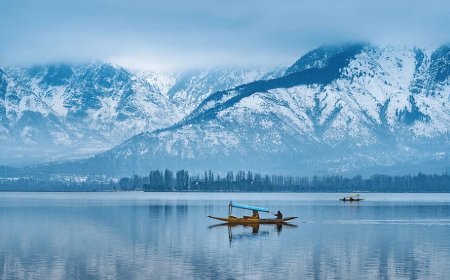
India says Kashmir is an integral part of its territory. Pakistan says it is an unfinished international dispute. Global powers treat it as a question of regional security. But Kashmiris themselves still do not possess an equal role in determining their political future.

Maybe the greatest tribute to July is not in another speech or another procession but to remember that revolutions are not only moments of triumph but also the collective memories of sorrow carried quietly by thousands of ordinary citizens.
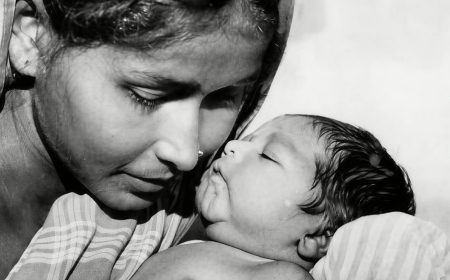
Behind every martyr stood a family, and behind every survivor often lay wounds that no medal, citation or official recognition could ever heal.
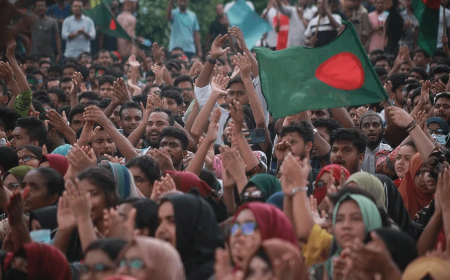
The demand that drove millions into the streets was never abstract. It was the return of democracy and fair elections to Bangladesh, the right of its people to choose their own government, and through that, make the decisions that would govern their destiny.
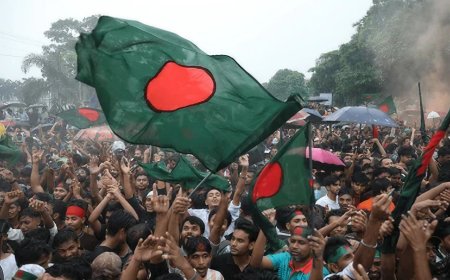
The first anniversary of a revolution can be about celebrating what was achieved. The second year should be about measuring what has changed.
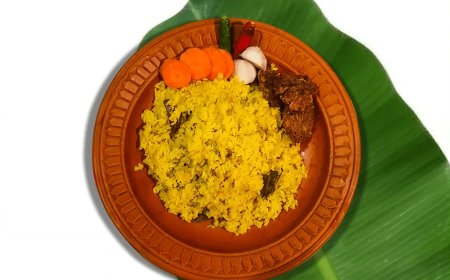
A warm plate of bhuna khichuri is both a memory left behind on a map across oceans, and a treasure brought along in my portable Samsonite suitcase in keeping the monsoon memories alive.

Marking the one-year anniversary of The J-Z Show, Jon Danilowicz and Zafar Sobhan are joined by Dr. Rumi Ahmed Khan to assess the first six months of Bangladesh's elected government and discuss the qualities needed in the country's next President.

Dismiss early grievances, personalize criticism, stigmatize opponents, mistake force for authority, answer old questions, control information instead of rebuilding trust and confuse institutional power with public legitimacy. These are not uniquely Bangladeshi mistakes. They are universal governmental temptations.

History rarely remembers institutions that made difficult decisions. It remembers institutions that made the right decisions at the right time. Bangladesh is currently going through a grand transformation in the banking sector where five scheduled Islamic banks are on the verge of being merged by the Government of Bangladesh.
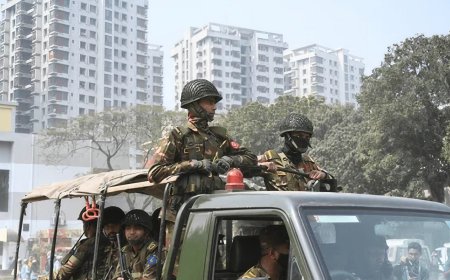
When an institution that possesses the legitimate instruments of force also begins accumulating authority over the definition of morality, citizenship and national identity, the balance can become fragile.