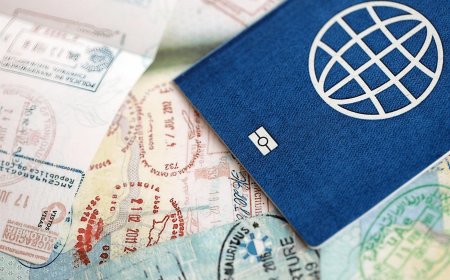


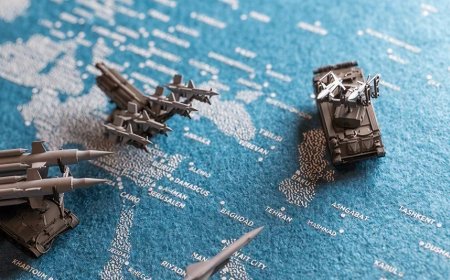
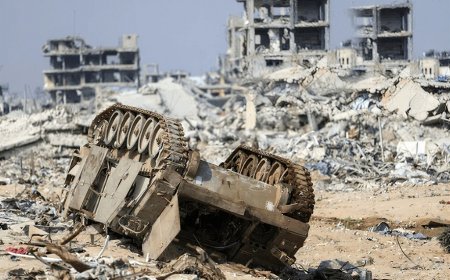




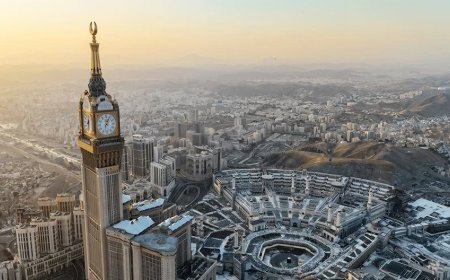
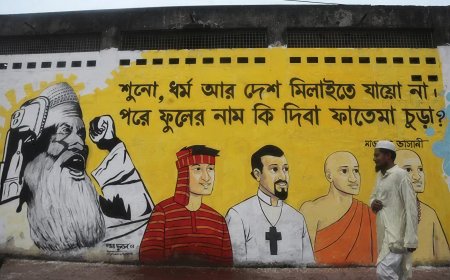







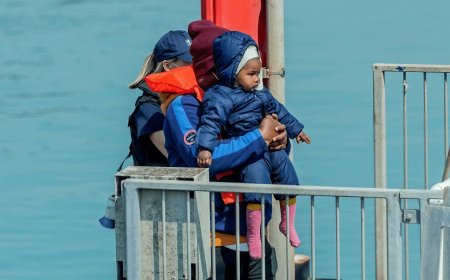
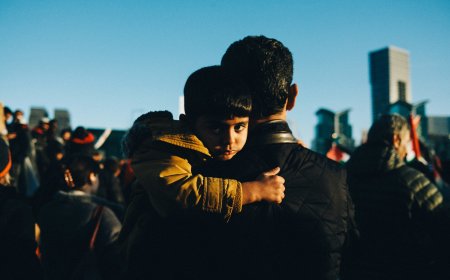





































The decolonization of our newsfeeds is not an abstract intellectual exercise; it is a matter of life and death. When a mother in Tehran, a father in Gaza, or a child in the Congo is bombed into oblivion, we owe it to them to bypass the filters of London and New York.
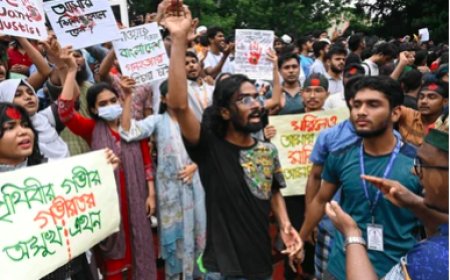
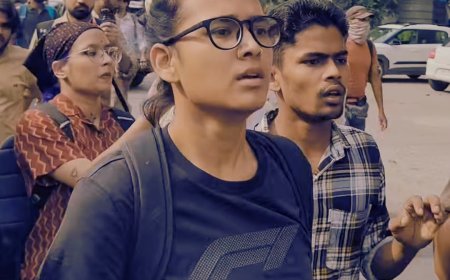
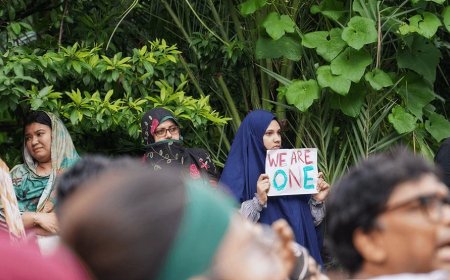
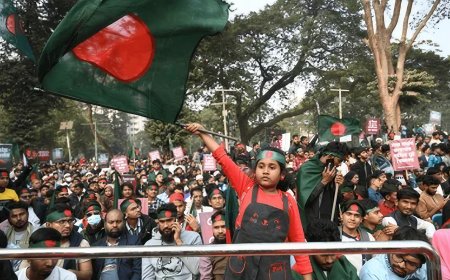
The lesson from Bangladesh, Nepal, and now India is not that students have become unusually rebellious. It is that the region's political class has become unusually incapable of seeing them.
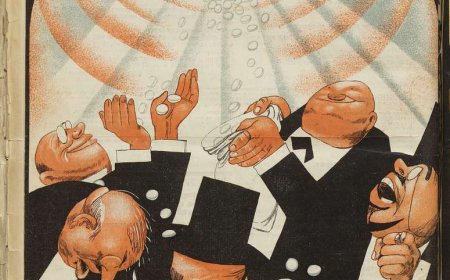
Greed does not emerge within humans as a loud antagonist. More often, it begins with a small justification, a quiet compromise, or the belief that one deserves just a little more than everyone else.

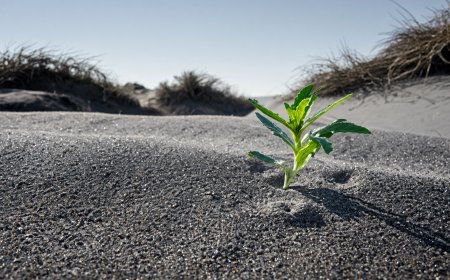
When the monsoon comes and two thirds of the land submerges, that is not devastation alone. The water withdraws and leaves behind a fine sediment of silt, and the landscape turns into vast patches of fertility, and then the wind comes and moves across it.
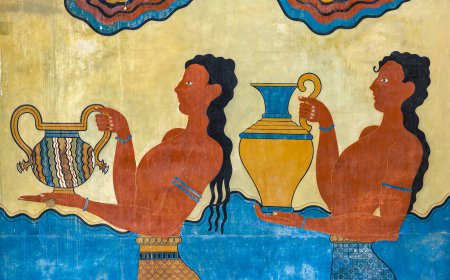
We like our ancient history sorted into clean boxes, but the Late Bronze Age never got the memo, and neither did its stories. This is the story of where those threads actually came from -- and how they came to be woven, unwoven, and rewoven into the tale we now call Troy.

My experiences convinced me that Singapore's greatest achievement lies neither in its skyline nor in its wealth. It lies in how it develops its people. That is why, whenever Bangladesh debates education reform, my thoughts return to Singapore.

As the prime banking regulator, Bangladesh Bank should reconsider this directive. At the bare minimum, it can remove SME loans from it, just like consumer loans were omitted. Ideally, scrapping the regulation altogether and replacing it with a policy rate cut would be a better way to bring down lending rates.

In this episode 07 of Counterpoint With Zafar Sobhan, host Zafar Sobhan is joined by sports commentator and founder of Shahnoor's Shot, Shahnoor Rabbani. The conversation explores the growth of sports media, the evolving football culture in Bangladesh, and the impact of digital platforms on modern sports journalism.

The Monetary Policy Statement was announced in the last week of June, and was almost immediately hemmed in by the circular announcing the spread cap -- a sequencing that signals incoherence. And that incoherence matters more than the actual policy. Macroeconomic policy cannot be effective in supporting growth or curbing inflation unless it is credible.
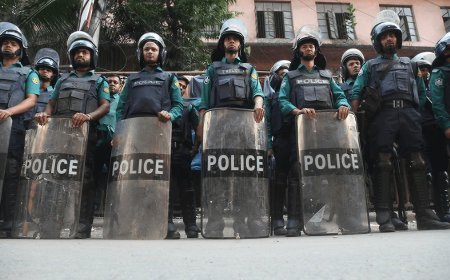
Abu Sayed's killing -- and the statement later made by the police officer convicted of his murder -- did not simply expose failures in the conduct of individual officers. Together, they illuminated deeper structural weaknesses within policing and compelled the nation to confront fundamental questions about accountability, professionalism, and the relationship between the police and the public.
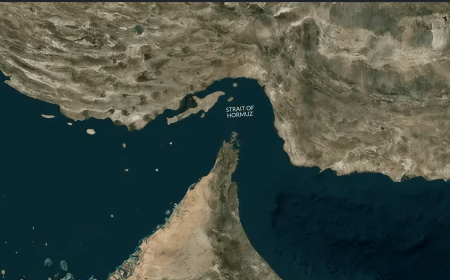
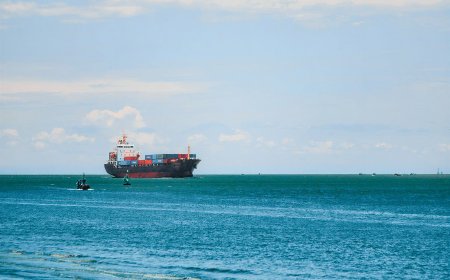
The latest ceasefire between the United States and Iran has failed to restore confidence in the Strait of Hormuz, exposing the world's continued dependence on a chokepoint that remains vulnerable to disruption.
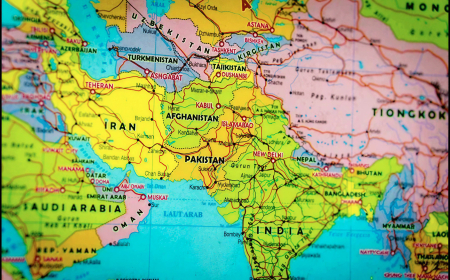
History has placed South Asia and the Indian Ocean Region at the centre of 21st-century global transformation. The region's future lies not in choosing between competing powers but in pursuing inclusive modernization, strengthening regional partnerships and leveraging the unique strengths of individual nations
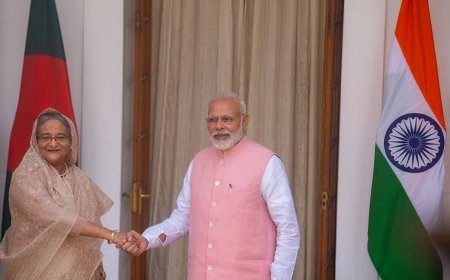
Some analysts argue that Hasina may continue to serve as a strategic political asset in India’s Bangladesh policy, reflecting a Kautilyan approach that could be summarised as: “You have China; we have Hasina.”
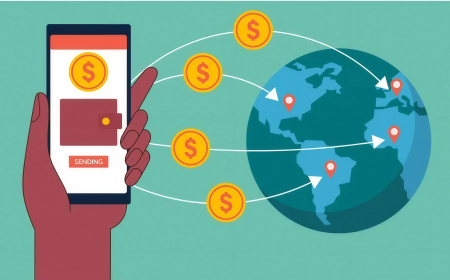
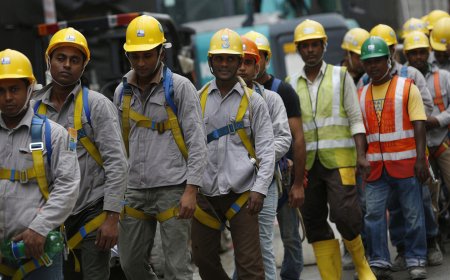
Allowing foreign operators to participate in outward remittances -- under a controlled and bank-intermediated framework -- could be a game-changing policy shift.

The more important question is whether technology and outcomes should be treated as equivalent. Installing thousands of surveillance cameras is not the same as creating a safe society.
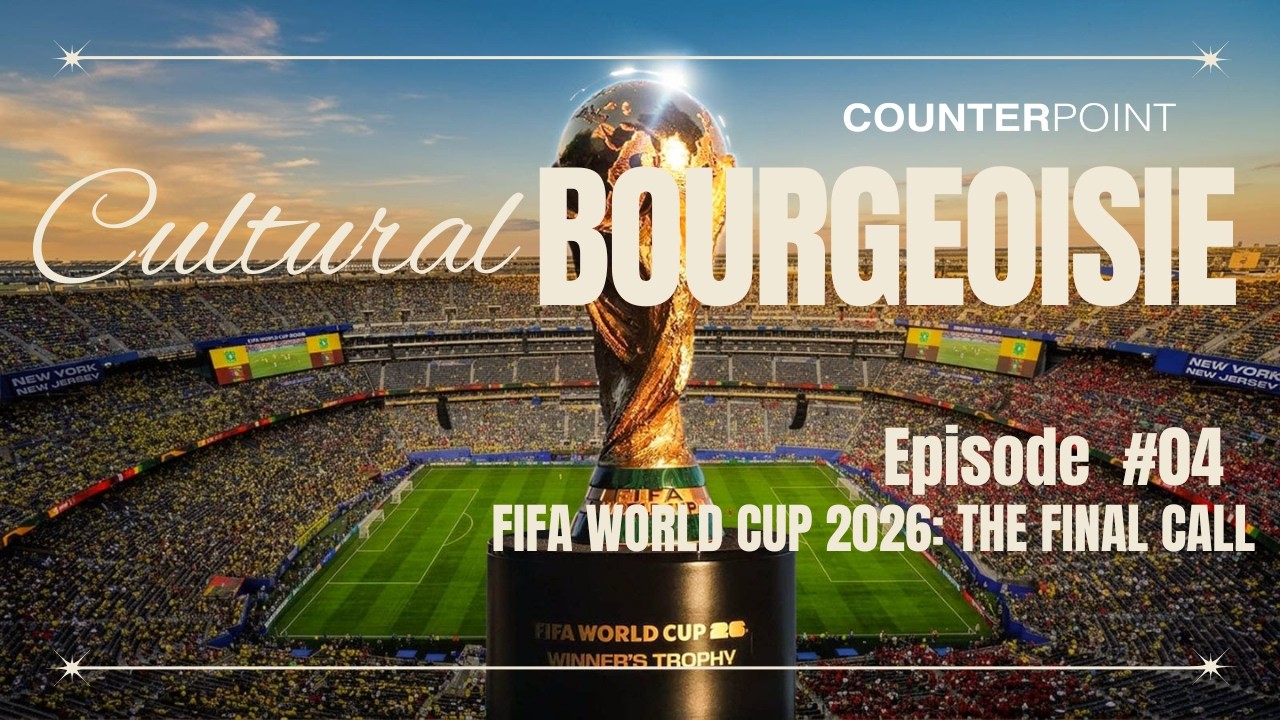
In this episode of Cultural Bourgeoisie, Jyoti Rahman and Ehteshamul Haque share their final thoughts and predictions ahead of the FIFA World Cup 2026. The discussion covers tournament favourites, standout players, tactical battles, and the biggest questions before the competition reaches its conclusion.