


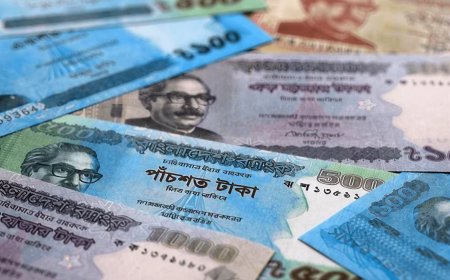
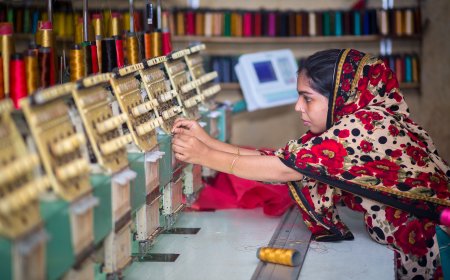
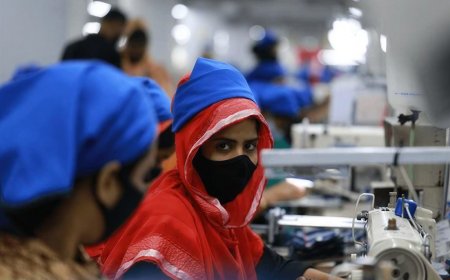






























































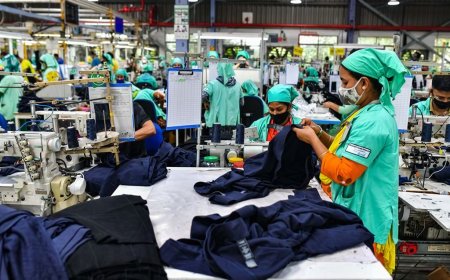
Cheap labour helped Bangladesh cross half a trillion dollars in FY26. The next half trillion will have to come from better-paid, more productive workers and from firms able to pay them. That transition has to begin while the window is still open.

The most important reforms, including tax modernization, banking-sector restructuring, and stronger central bank independence, remain incomplete. The coming budget will therefore be more than a financial document. It will be the first serious indication of whether the government intends to match cautious rhetoric with sustained reform.
The compact’s energy architecture amplifies rather than mitigates geopolitical shock exposure. A rational energy-security doctrine would diversify suppliers, transit routes, and contract structures; this agreement funnels us toward a single, unbuilt source over which we possess zero strategic control.

Export-led growth should be a movement -- not a monopoly. If we want the next generation of Bangladeshi exporters to rise, we need to trust them, back them financially, and give them the tools -- not traps -- to succeed.