































































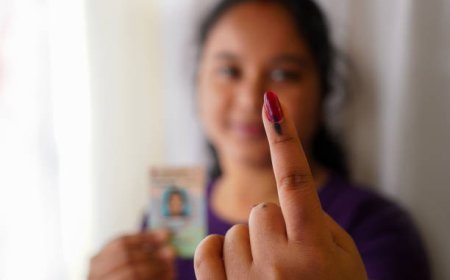
In 150 seats, more than half of West Bengal’s 294, total deletions were greater than victory margins, and BJP won 99. In 2021, it had won just 19 of these.

The BJP’s victory was structurally broad, its final scale may have been amplified by UA deletions in specific close contests, but TMC’s losses in Muslim-majority constituencies also point to a genuine political swing. A warning sign that may matter well beyond this election.
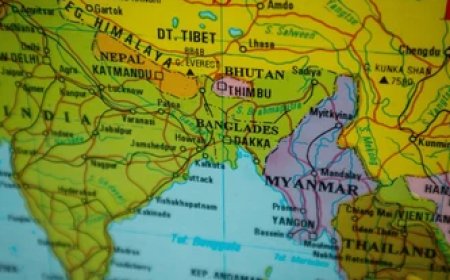
A double-engine BJP government could no longer blame West Bengal’s opposition for delays. If New Delhi and Kolkata are aligned, Bangladesh will expect results on both the Ganges and Teesta. The Teesta dispute, long blocked by Mamata Banerjee, is especially symbolic. With the Trinamool Congress out of power, Dhaka would expect movement.
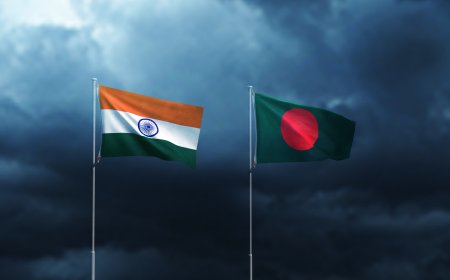
The tragedy for both Bangladesh and India is that the more anti-Bangladesh sentiment gets entrenched in India, the more its mirror image will get entrenched in Bangladesh, and the implications for both countries range from the unfortunate to the unthinkable.
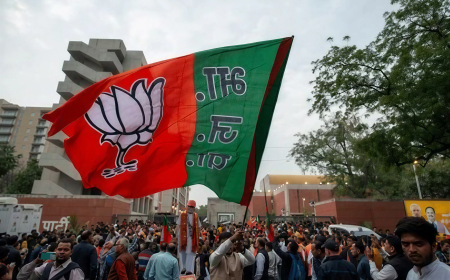
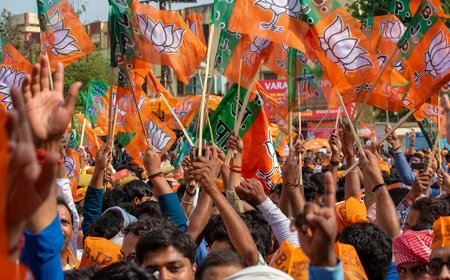
The BJP campaign, like the one in 2021, was conducted in a manner reminiscent of an invasion rather than an election. Television channels and newspapers, many of which are openly and enthusiastically aligned with Modi’s party, framed the elections as a conquest of Bengal by him and Shah and the Hindutva party they lead.
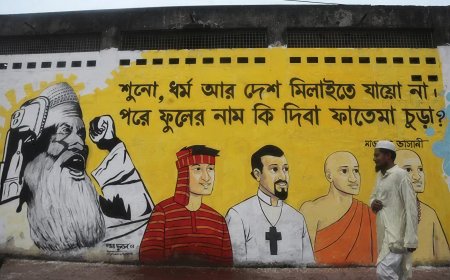
Bangladesh functioned as a mirror in which West Bengal was invited to view itself: Hindu or Muslim, refugee or infiltrator, borderland or nation, Bengali or anti-national.

He reads the protagonist’s journey, from the subcontinent across the sea to Canada, as a search for wholeness through displacement, danger, and reinvention.

Exchange rate changes are often misunderstood, leading to exaggerated expectations. Policymakers need to clearly explain that depreciation does not fully translate into inflation or export gains.
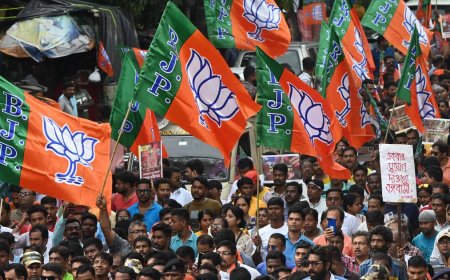
The Bharatiya Janata Party has secured a two-thirds majority in the state that it has never won before.

That is how democratic erosion can happen, not only through overt repression, but through laws that centralize power while preserving the appearance of legality.
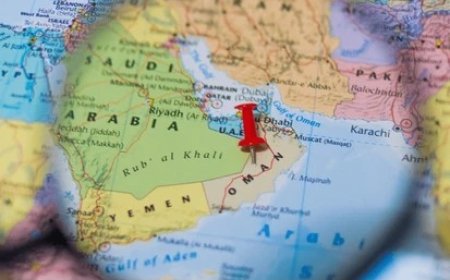
Leaving OPEC was a symbolic declaration to the Gulf that Abu Dhabi can no longer stay a passenger in the oil vehicle supplying the world.
The immediate steps are neither mysterious nor technically complex: Broadening the VAT base by reducing exemptions, strengthening the Large Taxpayer Unit to capture income from professionals and the informal wealthy, and automating tax administration to reduce discretion and corruption.
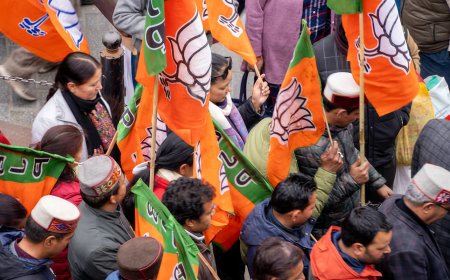
West Bengal's voters may not have articulated this distinction in theoretical terms. But they felt its weight. The images from Dhaka showed them what the far end of one trajectory looks like.

Russia’s war has already caused immense suffering. It should not be sustained through the exploitation of vulnerable people.

The path ahead is neither simple nor short. Decades of accumulated practices cannot be undone overnight. Yet the absence of immediate transformation should not become a justification for inaction.
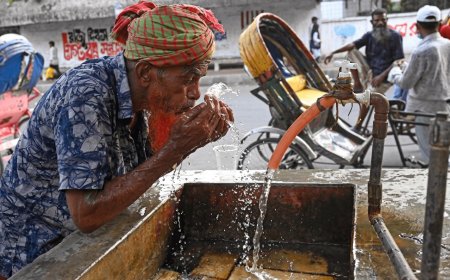
It is unsurprising that extreme weather affects both body and mind humans are, after all, intrinsically connected to nature. However, proper nutrition and adherence to daily routines can significantly mitigate the adverse effects of heat waves.