













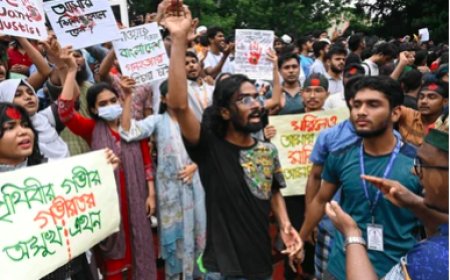








































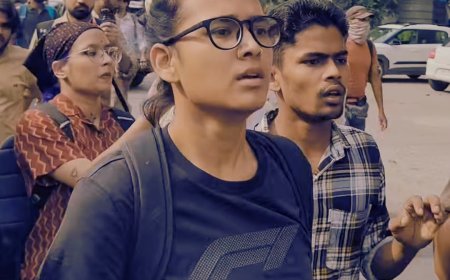
Bora's story reminds us that student politics is not necessarily a rehearsal for mainstream politics. It can be a laboratory for a different kind of politics, one in which the boundary between campus issues and national questions is increasingly blurred.
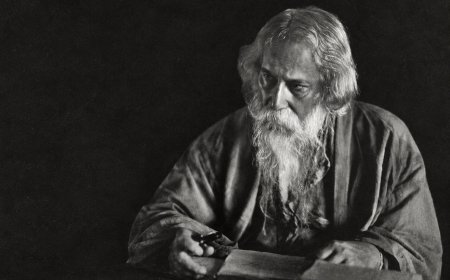
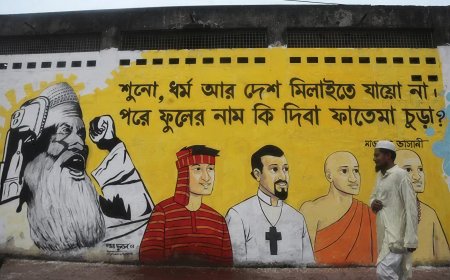
The development of Bengali nationalism around Rabindranath cannot be understood merely as a Hindu-Muslim cultural conflict. It was intertwined with language, power, and the right to determine one’s own identity.

The interim government recognized that the 1973 ICT Act needed reform, but the changes made fell well short of what fair trials require. This is Part One of a series on the International Crimes Tribunal.
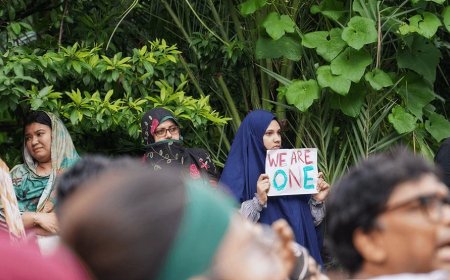
Bangladesh is now a clear battleground in the clash between traditional politics and hyperpolitics, because the party in power is wedded to the old school politics and its opponents rely on the new politics more and more.
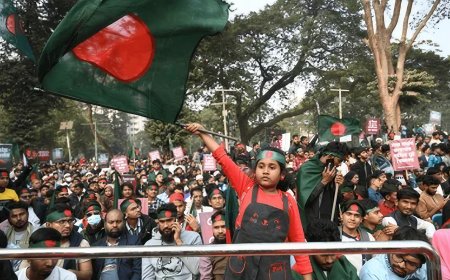
Prof Riaz is right that elections alone cannot sustain democracy. The further point is that institutions cannot remain independent if parties refuse to accept limits on their own power. Bangladesh will break its political cycle when we agree that winning power does not confer ownership of the state.

Treating such risks as specialist environmental concerns leaves the main political conversation disconnected from the foundations of national stability.
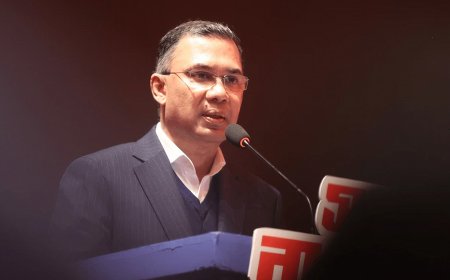
Tarique Rahman has the goodwill, the mandate, and the time to do this differently. The most durable thing he can build in his first term is a caretaker system both the government and the opposition can claim to have shaped, and thus will be owned by both.

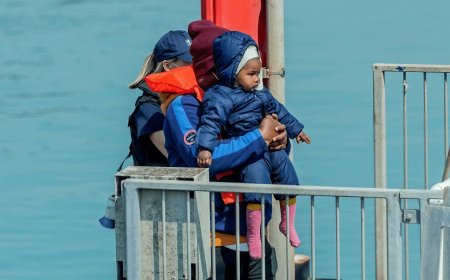
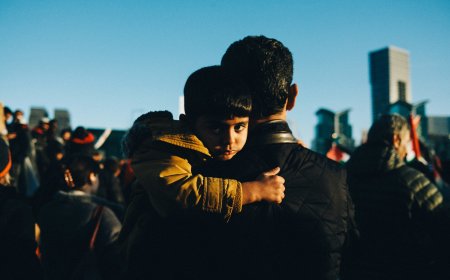
Before he was the father of nations, Abraham was a refugee. Every faith that honors him should remember where he came from, and every heir who claims him should remember how many others call him father too.

Bangladesh’s weakest areas are human capital and research (127th), business sophistication (125th) and institutions (113th). The second deserves the most attention, because it shows exactly where the system breaks.
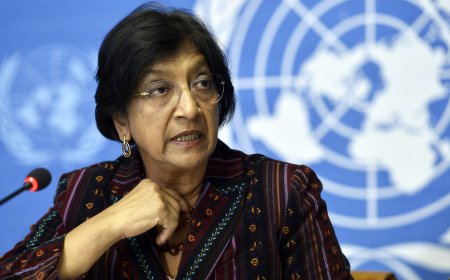
Do we seek accountability when the evidence implicates someone we admire? Do we oppose genocide consistently, or only when its perpetrators belong to the other side? The answers matter more than the ease with which we endorse justice in principle.

As economic conditions evolve, is the central bank prepared to allow the taka to depreciate, or indeed appreciate should it come to that, over time? The MPS should ideally spell these out in an analytical manner.

Women are not a homogeneous group. A woman’s socioeconomic circumstances, political background, sexuality, and many other aspects of her identity shape the particular set of struggles she encounters.
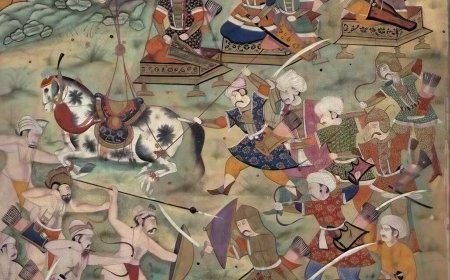
In South Asia, his legacy is known as one of the final Pathan chiefs who defied an empire and lived on his own terms until the very end.
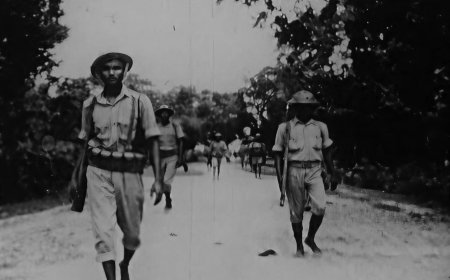
Acknowledging historical wrongdoing does not mean that present members inherit the criminal guilt of their predecessors. It means something more politically mature: Refusing to make the past innocent simply because the present finds it inconvenient.
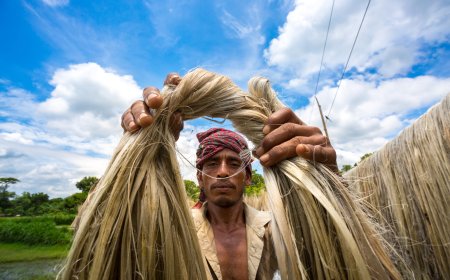
To save agriculture, we must bring back the farmer's lost traditional wisdom. Establishing community-based seed banks at the village level to preserve indigenous seed varieties is the ultimate demand of the hour.

What Tarique Rahman’s UNGA address says about Bangladesh’s emerging role in the Global South