




























































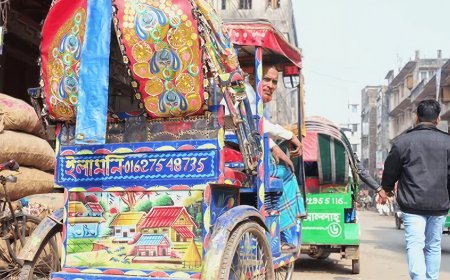
Citizens are told that auto-rickshaws cannot be banned because millions depend on them for a living. That argument is sound for the drivers, who are among the poorest workers in the city. It is not an argument for shielding the people who profit from an unregulated supply chain.

Singer first wrote about Bangladesh as a crisis. The idea he brings back has been working here for nearly 50 years. The question is whether more of our businesses will try it.

Bangladesh must cultivate a digital culture rooted in empathy. Digital spaces should encourage respectful dialogue, creativity, and community-building.
If Pakistan, which today has a per capita GDP one-third less than Bangladesh, can deliver competent and effective government services, there is no reason we cannot too.

A marriage certificate does not make a wife a compulsory lender. A husband’s need can explain why he asks for help; it cannot supply her consent.
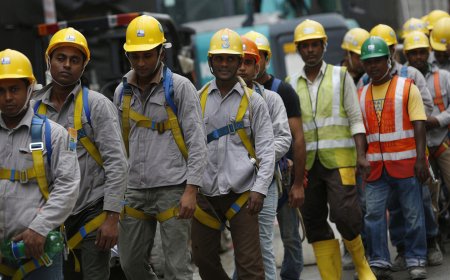
Migrant worker families are paid in taka while banks hold the dollars, and weak or captured institutions let dollars slip out through trade misinvoicing and hundi.

Migration is not a machine for enriching Britain and it is not draining it either. The sums are small, and what decides them is what people are paid.
Ordinary people in Britain have plenty to be angry about. Those grievances are real, and I hear them often. The question is who caused them, and whether the evidence supports the claim that migrants are draining the country.
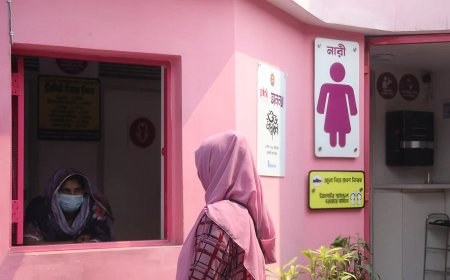
Against the grim backdrop of urban neglect, the need for radical transformation in municipal planning becomes clear, demanding an empathetic framework where human welfare takes precedence over chaotic growth.
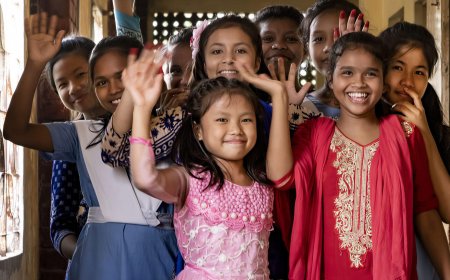
True inclusivity means bridging the gaps that keep the dispossessed silent. Only then can a purportedly democratic society begin to hear those at its margins, as active political subjects, not just data points.
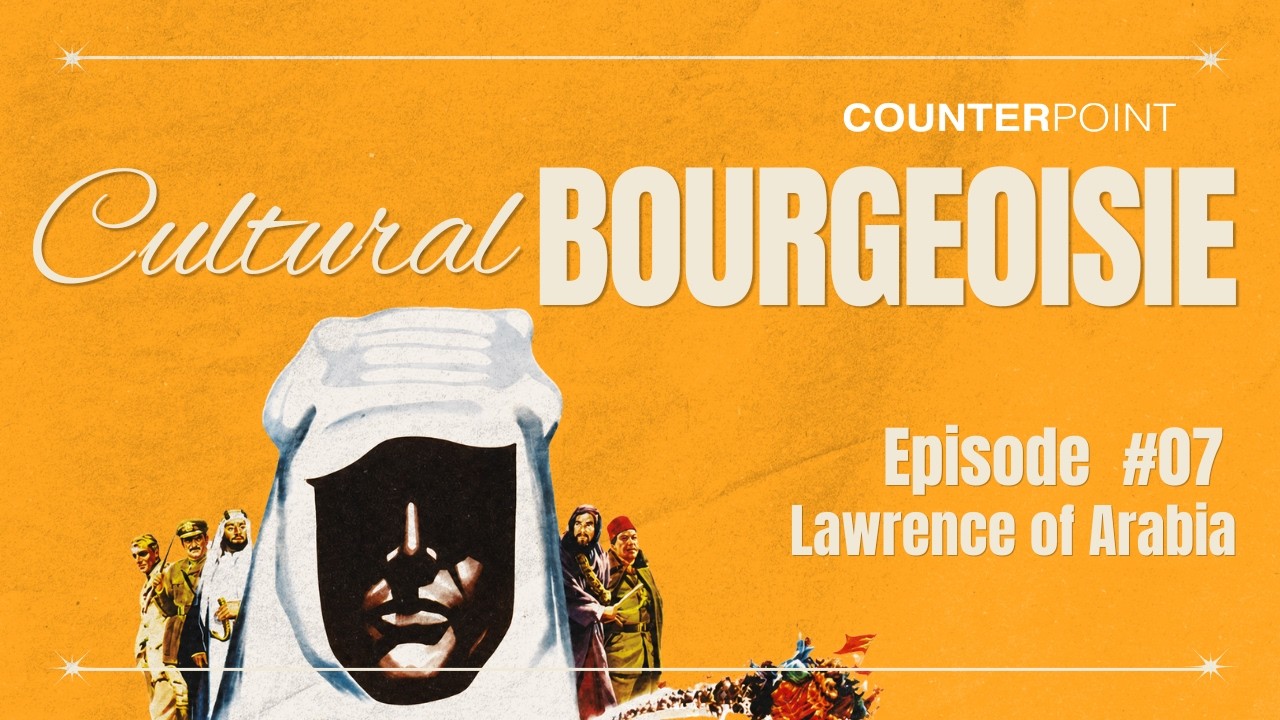
In Episode 07 of Cultural Bourgeoisie, hosts Jyoti Rahman and Ehteshamul Haque unpack the epic legacy of T.E. Lawrence and David Lean’s cinematic masterpiece, Lawrence of Arabia. The discussion delves into the intersection of historical reality, imperial politics, and cinematic storytelling examining the tactical brilliance, human complexity, and enduring cultural impact of the Arab Revolt on screen.

Sometimes there is a locked gate. Sometimes there is family honour, the marriage market, or the comforting language of protection. And sometimes it may appear at an immigration counter as an apparently ordinary question: Are you married?

A nation that had waited 50 years for its first nuclear power plant was, at last, watching it breathe. Five months later, in a New York conference room, a very different signature was being applied.

Bangladesh's economic prospects depend partially on how successfully it can navigate an international trade environment that has become increasingly defined by geopolitical rivalries.
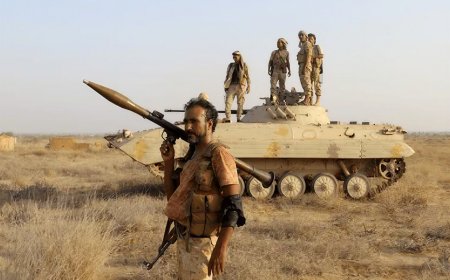
Participation in an emerging regional security architecture should strengthen Bangladesh’s strategic autonomy, not turn its armed forces into an instrument of another country’s foreign policy.
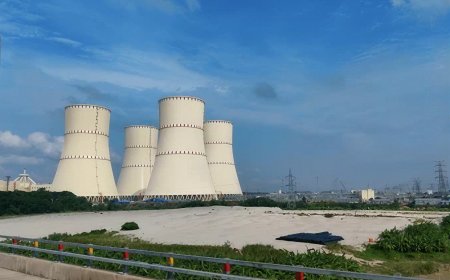
Bangladesh has switched on its first nuclear reactor, on a monsoon floodplain, with no plan for when things go wrong. And in Bangladesh, Murphy’s Law seems to rule supreme. Anything that can go wrong will go wrong.