










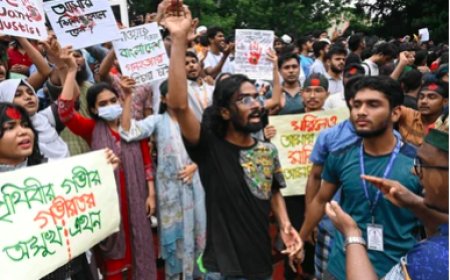










































A serious opposition does not merely show that something is broken. It identifies who is responsible, produces evidence, demands a remedy, and keeps the issue alive after the cameras leave. That is harder than shouting. It is also politics.

Bangladesh has inherited a tax system that leans hardest on those least able to bear it. That was decades in the making, and it will not be undone in a single budget. But change it must.

Our academics, civil society, and the media must urgently mobilize to stand beside the public. Civil society must venture beyond the comfortable confines of elite, conventional discourse and aggressively advocate for the legal protection of the most marginalized communities.
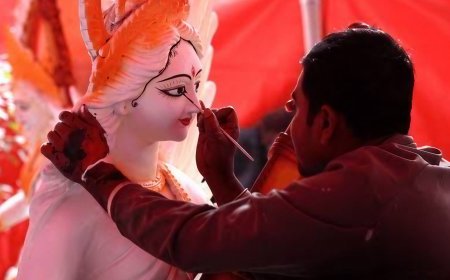
If Puja holidays damage the economy, calculate the economic cost of holidays demanded for one's own religious occasions as well. If religious processions blocking roads are unacceptable, demand the same rule for every religious and political gathering.
If Bangladesh is to emerge from this transition with institutions genuinely stronger than those it inherited, power must become harder to capture, harder to personalize and easier to restrain.

For music lovers of my generation in Bangladesh, those names bring back fond memories. Music then required effort. Albums had to be found, borrowed, bought or recorded, and collections grew slowly.

A film begins as something completely private. It lives inside you. And then you try to give it a life outside yourself.
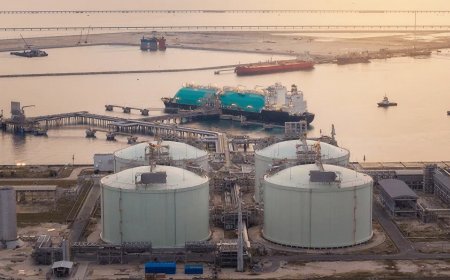
Bangladesh has already felt this reality directly -- fuel prices have risen sharply, garment factories have faced shortages and canceled orders, and foreign-exchange pressure has intensified, all within the same few weeks.
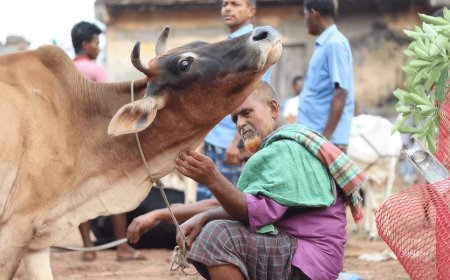
Growing up in Bangladesh, Qurbani Eid generally presented an unseemly sight. In the absence of centralized abattoirs, slaughtering occurred in building compounds, on public streets, or wherever space was available.
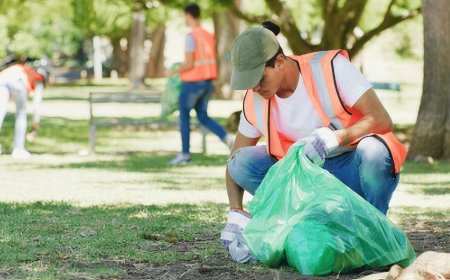
The decline in volunteer participation has several negative effects. Communities lose energetic young leaders who can organize awareness campaigns, environmental projects, and emergency responses.

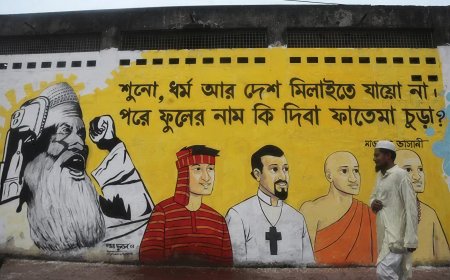
Freedom was never merely the achievement of a flag, a territory or a government of our own. Its deeper promise was the creation of a society in which human dignity would not depend on political affiliation, religious identity, social status or the mood of a crowd.
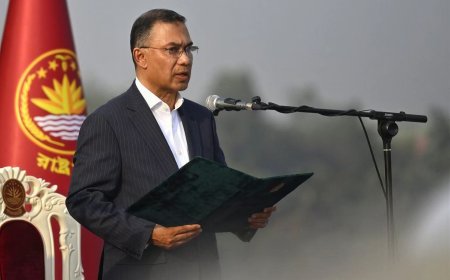
Contrary to what regime defenders believe, this government is not safe. People who are encouraging it to become more coercive are doing it a serious disservice.
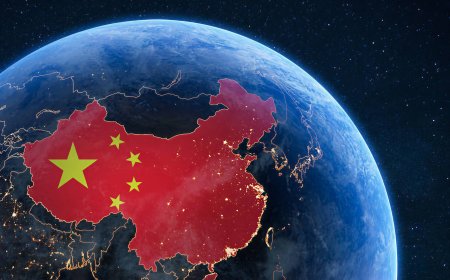
A genuine win-win partnership should create employment for Bangladeshis, strengthen Bangladeshi enterprises and build local capacity while providing Chinese businesses with opportunities in a growing market.

The shift from nearly 36% in September to 30.60% in December, then rising to 32.78% by June, serves as a crucial reminder. While a decrease in the reported NPL ratio may seem positive, it is only meaningful if it reflects real improvement in credit quality.
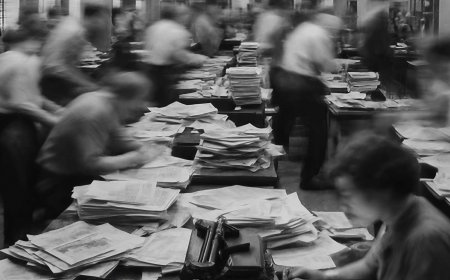
When Global South outlets amplify that framing without question, they become complicit in a propaganda architecture they did not build and do not control.

A nation is not protected merely by police stations, courtrooms and prison cells. Its deepest security is found in the trust between a child and the adults around them. If that trust collapses, no number of arrests after a tragedy can repair it.