





























































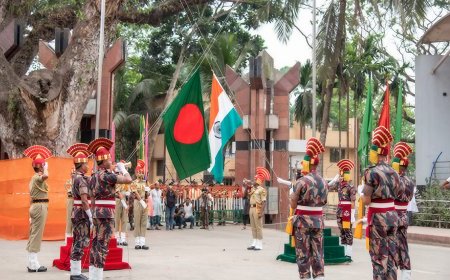
Bangladesh and India have repeatedly attempted to reset their relationship, but deep-rooted disagreements over sovereignty, regional power, strategic autonomy, water sharing, and economic reciprocity continue to undermine trust.
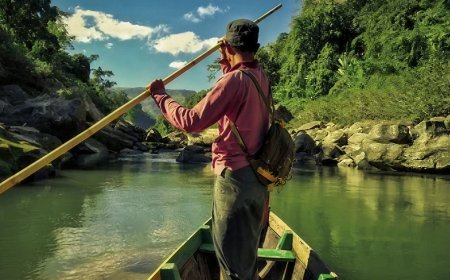
To promote Bangladesh's tourism industry, we need to look beyond what we would desire as local tourists and focus on what foreign tourists tell us they are interested in.
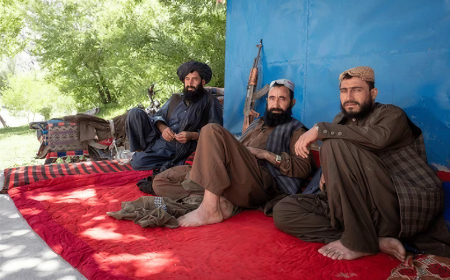
A regime fighting a two-front war against Pakistan and internal insurgents, unable to feed its own base, splitting at the leadership level, and now facing a resistance movement finally capable of operating on its own home turf.

A bank can hold substantial cash yet still be financially weak if years of loan losses have eroded its capital. This distinction is especially important in Bangladesh.

History rarely tells countries in advance that the rules of economic advantage are being rewritten. This time, the warning is already visible. Bangladesh cannot recover the technological revolutions it entered late. But it can still decide whether it arrives late to this one.
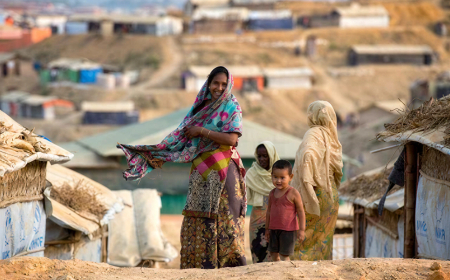
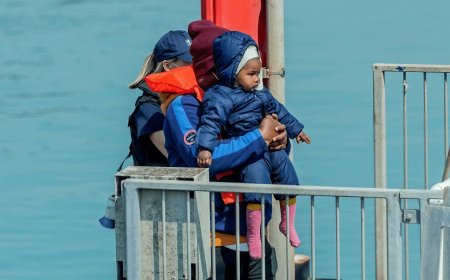
The Rohingya do not need another anniversary of international concern. They need a credible pathway to a future.

Life is not easy, and assuming it is will only lead to trouble. Yet, there is immense strength in embracing this reality with courage.
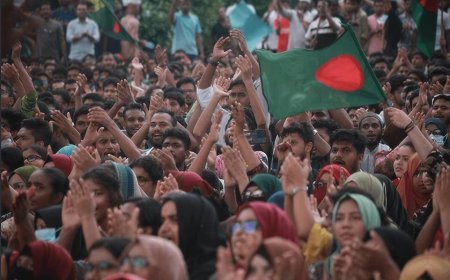
The lesson from this survey is a simple one. The government should spend this window of reserved judgment governing, and communicating clearly to the public that it is doing so. The public has made its patience conditional on visible actions, reserving judgment on results. It will not last indefinitely, and it should not be mistaken for endorsement.

At the same time, Bangladesh is producing a growing number of university graduates who are struggling to find productive employment. Rather than treating these two problems separately, Bangladesh should connect them.

Ganapati Chakraborty dedicated his life to guiding generations of students towards truth and justice. The blood of his family must not fade into just another transient headline.
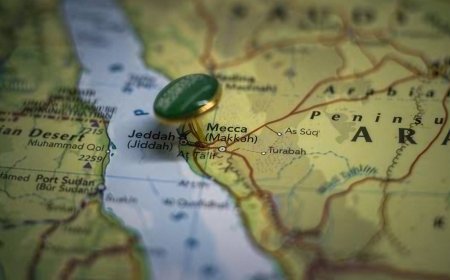
The strongest argument for Bangladesh joining the pact is not ideological or geo-political. It is strategic and an opportunity to strengthen its security, defense capabilities, economic partnerships, and diplomatic influence, while preserving its desired goal of strategic balance.
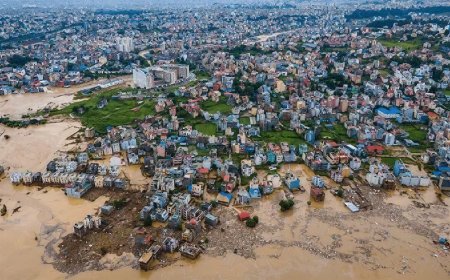
Nepal is owed something more substantial than sympathy and more useful than a loan charging interest on damage it did not cause. Monitoring of unstable ice and glacial lakes concerns the whole basin and should be funded on a standing basis, with hydrological data crossing borders as a matter of routine rather than negotiation.

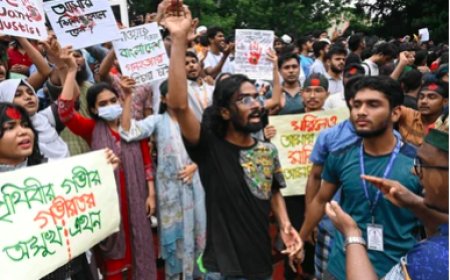
July’s azadi was powerful because it was capacious. It united people who agreed on the regime they opposed but not necessarily on the republic they wished to build.
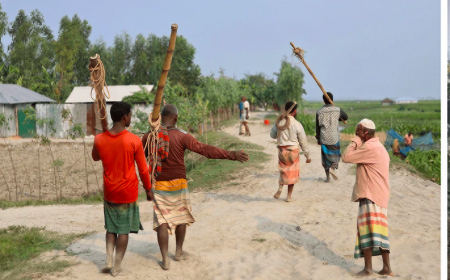
Our loyalty belongs strictly to Bangladesh, to our rivers, to our workers, to our ecology, to our farmers, to our reforestation, and to our children. It is time to discard every foreign proxy and forge a new political vocabulary
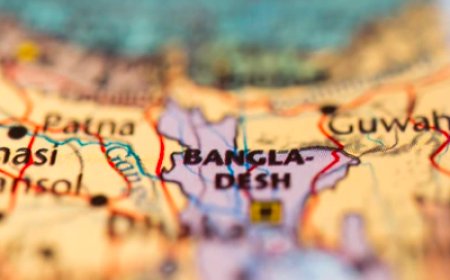
The ultimate test should be simple: Does membership enhance Bangladesh's security, economic interests and diplomatic leverage while preserving its freedom to make independent decisions? If the answer is yes, the pact deserves serious consideration. If it threatens strategic autonomy, caution should prevail.

To remain silent under the pretext of “not being close enough” is not humility. It is an abdication of awareness. The burden of witnessing belongs to anyone willing to look.