

















































What Next After Iran?
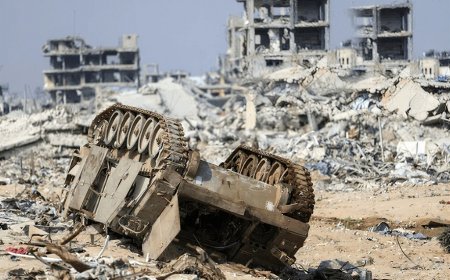
The war will be over, and the Middle East will need massive reconstruction, necessitating a huge workforce from the underdeveloped world

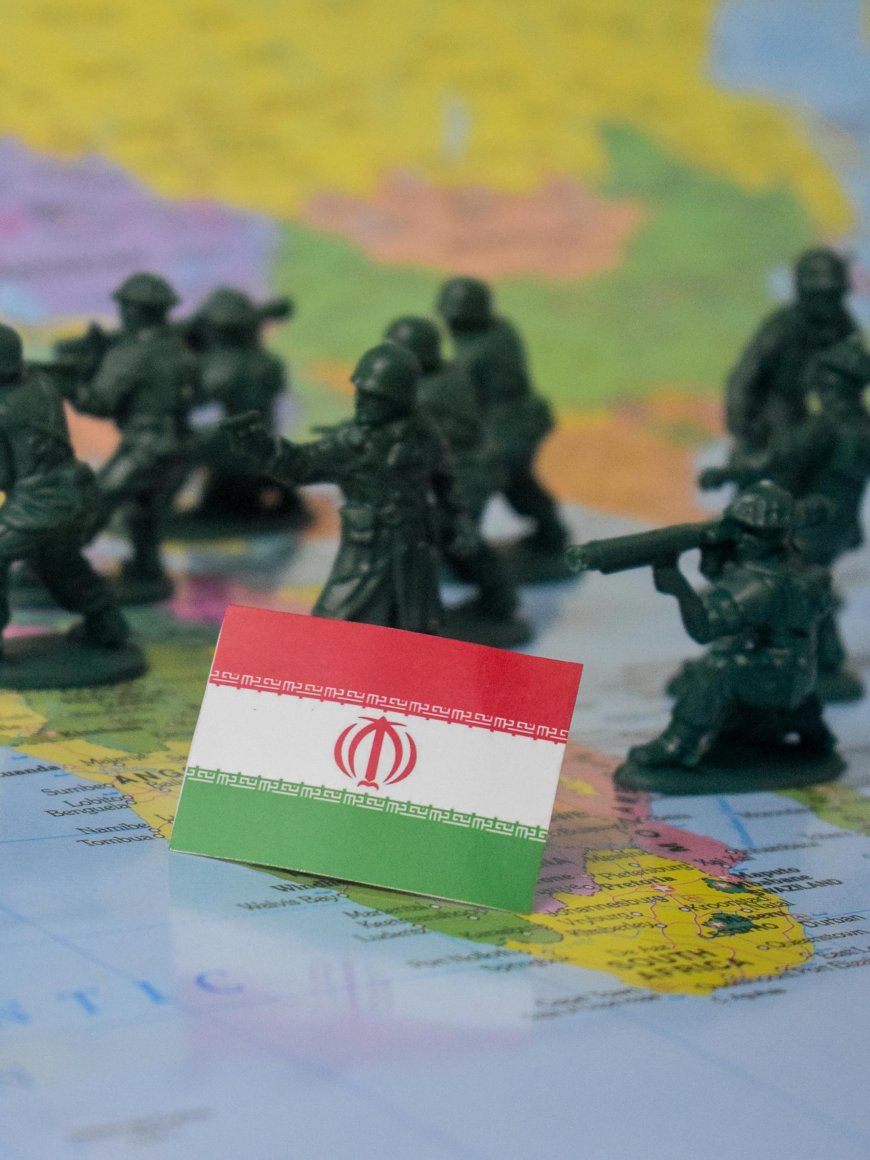
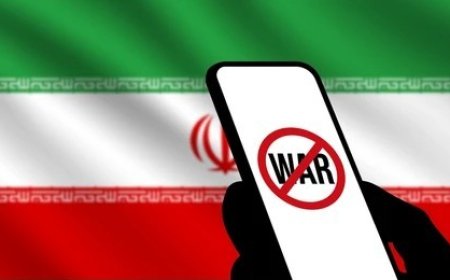
Ever since the end of the Cold War, no war but the Iran War of 2026 could be so dramatic, breathtaking, and divisive, with global leaders' minds torn between being part of it or against it. For the first time, the Western coalition to fight for the causes of Western interests was reduced to the coalition of two: Israel and the USA.
The whole of the Middle East and its monarchical power remained shaken for the first time, was hit, and was unsure whether to hit back.
The world saw for the first time that a country like Pakistan, weak in both democracy and an economy, could be so vital only because of its geographic location and diplomatic power, bringing both the USA and Iran to the same table for negotiation.
There are debates about whether the talk was a success or ended the war, despite the fact that the outcome as such doesn’t come right away.
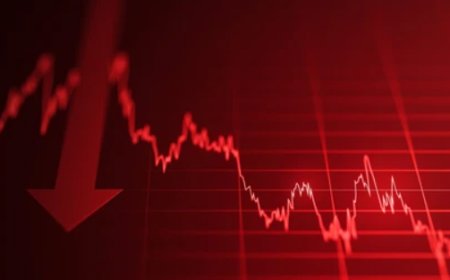
The global geopolitical confusion from the slow and steady rise of China in the global game, Russia’s withstanding the war for years against Western assessments, and the existing economic stagnation will only deepen into a long-drawn recession, whether the war comes to a close or not.
The failure of the negotiation, the vilification of Pakistan as not the most competent country to undertake such a diplomatic venture, or sheer blaming Iran, Israel, and the USA will change nothing but push the world towards unmanageable plights only.
The signs of change in the global geopolitical and geo-economic games are vivid. In the stance of quiet China, greening Russia, proud Iran, tired Israel, perplexed India, and the EU’s inability to decide realignment in the geopolitical game lie lights for the future.
There are both probabilities and certainties of the effects of the war in the near future and far. Numerous questions will pop up in the global intellectual exercise sooner or later, as probabilities. Is the world safe under the unipolar or the old bipolar system of global security dynamics? Should internationalism overshadow the national security concerns of weaker countries?
Should the price of products of weak countries be controlled by the stronger through manipulation of the global financial and economic superstructure? Is democracy the only solution to live peacefully and thrive? Would there be a future trend towards models of governance beyond those that liberal democracy has offered so far? Would the world be governed by a combination of democratic, monarchical, and authoritarian models, yet remain safe? Can monarchs sustain as smoothly as before?
Will the government be able to deceive its people by painting lies as truth and continue to rule without protest? Who would win in materializing the two visions between greater Zionism and greater Persia? Can war in the future be legitimized to people merely through narrative politics?
Would the warrior be able to template the termination of conflicts in old models? When would the two parts of the world, developed and underdeveloped, unite again against the world's most powerful country for the common goal of saving the economy, and decline to fight?
The questions about the above probabilities may run for years under research and drive the world into new realities.
But there may not be a need for deep research into issues that already seem certain. Whatever the outcome of the current war, Iran will perhaps break free and strangulate the petrodollar architecture to no longer pull the strings of oil economics.
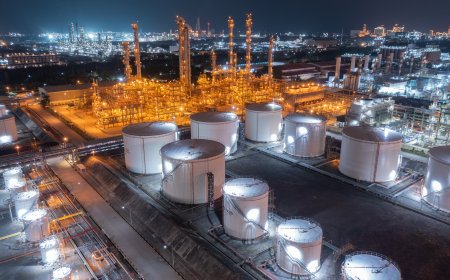
The unholy practices of controlling the oil price to keep it around $70 per barrel by the USA, and keeping it around $ 60-62 by both Russia and China, might crumble and surrender to the wishes of the oil-producing countries.
Whether the war ends or enters further negotiations to bring an end to the ceasefire and finally end the war, Iran’s hold on the Strait of Hormuz will cause global inflation to spike, aggravating the global plight and pushing towards a recession.
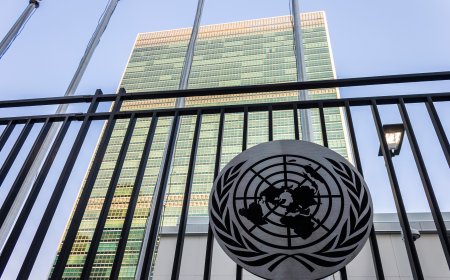
The global and regional security architecture, shaken by this war, will perhaps reorganize around a refined charter. The UN will come under pressure to increase the number of members with veto power. The regional security structures, such as the GCC, the Arab League, the SCO, and the BRICS. Etc., will look for effective partners rather than some as only observers playing a dubious role.
The overarching role of global financial superstructures in controlling the global economy could gradually diminish, allowing other arrangements to emerge. The USA’s refusal to allow some countries to sell US Treasury bonds during the war could gradually erode the dominance of fiat currency and lean towards alternatives.
There will be a definite shift in the future pattern and preparation of warfare around the world with the breaking of the myth that nuclear is the only option to win a war.
The military of the world will need to restructure and arm its forces beyond the monopolistic doctrine and arms industry of the West. There could be an end to fighting on the idea of ‘War on Terror’, ‘Regime Change’, or ‘Might is Right’, and help countries like Iran, Pakistan, Afghanistan, and Yemen, etc., to flourish on their own feet and help serving own people rather than playing on others' cards.
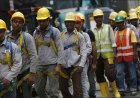
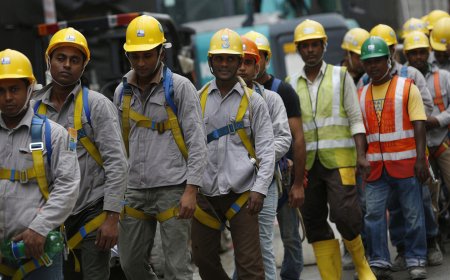
The war will be over, and the Middle East will need massive reconstruction, necessitating a huge workforce from the underdeveloped world and a giant Chinese fund that is waiting.
Brigadier General AF Jaglul Ahmed (Retd) is a regular contributor to national dailies. He can be reached at [email protected].