










































![A Ledger of the Soul: Navigating the Allah-Bhagavant Nexus in a 19th-Century Puruṣākāra Jñāna Caupara [Gyan Chauper]](https://counterpointbd.com/uploads/images/202608/image_430x256_6a93baa3b09a7.jpg)




















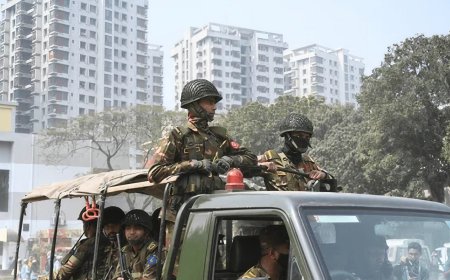
When an institution that possesses the legitimate instruments of force also begins accumulating authority over the definition of morality, citizenship and national identity, the balance can become fragile.

Ziaur Rahman deserves to be remembered not as a symbol of one side of a political divide, but as a leader who, in a period of genuine national crisis, demonstrated that Bangladesh was capable of stability, economic progress, diplomatic sophistication, and democratic aspiration.
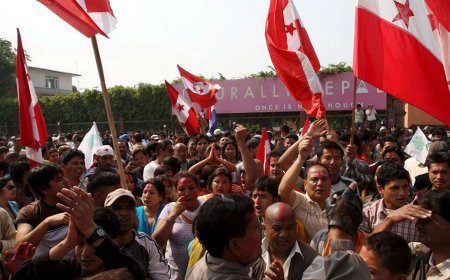
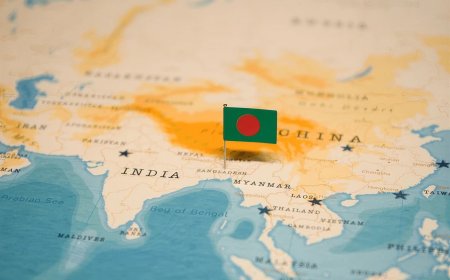
Bangladesh’s political terrain is considerably more rigid. Dynastic narratives continue to exert powerful influence over voter perceptions. The Awami League remains closely associated with the legacy of Sheikh Mujib, while the BNP continues to revolve around the Zia family. In such an environment, new political movements must not only compete with established organizations but also confront deeply embedded historical loyalties.