



























































Where Does Bangladesh Go Next?
The new government will need to deal with a range of issues related to transitional justice, to include accountability, truth, healing, and (ultimately) reconciliation.

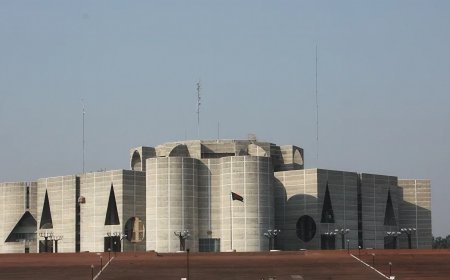
While the final results have yet to be announced, Bangladesh’s February 12 election appears to have been a great success.
Defying the skeptics, the interim government and the election commission were able to organize a peaceful and secure election, thanks to the efforts of the administration and security forces in collaboration with the parties, candidates, and voters.
While there were reports of isolated incidents at some polling booths, these do not appear to have influenced the overall results.
The Bangladesh Nationalist Party (BNP) appears poised to form the next government (possibly with a 2/3 majority), with the Bangladesh Jamaat Islami (BJI) in line to lead the Parliamentary opposition after gaining an all-time high number of seats.
The Jamaat’s ally, the National Citizen’s Party (NCP), reportedly did better than expected, gaining a handful of seats in the Parliament.
Voter turnout was lower than hoped for, with the latest estimates suggesting that roughly 60% of those eligible went to the polls.
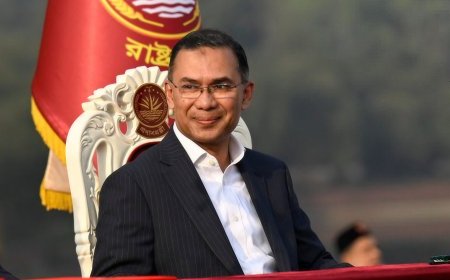
Attention will now turn to the BNP and its Chairman Tarique Rahman, whose return to the country in late December just before his mother’s death left him as the undisputed head of the party and the Prime Minister in waiting.
Tarique’s first task will be to choose his Cabinet. If the process of selecting Parliamentary candidates is any guide, Tarique will likely choose a mix of senior BNP stalwarts with previous Cabinet experience and supplement these with some new faces, including those who were at his side during his exile in London between 2008-25.
With Ramadan fast approaching, to be followed by the Eid and national holidays, the BNP might have some breathing room to organize itself.
At the same time, expectations will be high and there are a number of pressing issues facing the new government. These include ratification of the interim government’s actions, implementation of agreed upon reforms, and a focus on stimulating economic growth. There will also be pressure from international partners eager to engage with the new government.
There will also be a great deal of attention paid to the BJI-led Parliamentary opposition.
Since the restoration of democracy in the early 1990s, Parliament has never really functioned as intended, with opposition parties preferring to take to the streets rather than play their designated role within the system.
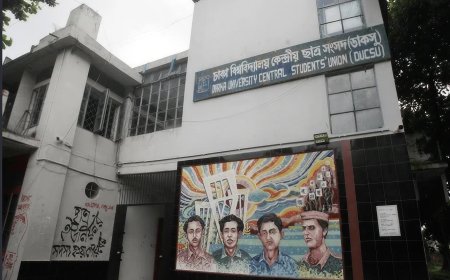
In the wake of the 2024 change in government that ousted former Prime Minister Hasina, there was a commitment by all parties to reject politics as usual.
The relatively peaceful nature of the election campaign and the acceptance of the results provides an opportunity for both government and opposition to break with past precedent.
As the new government takes office, its predecessor will fade from the scene. It remains to be seen whether any members of the interim government will be asked to continue in their previous, or new roles.
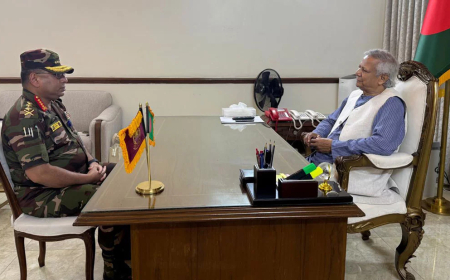
Despite rumors that he may become President after the incumbent steps down, Chief Advisor Yunus is most likely to return to his previous work at home and abroad advocating for microcredit, social business, and a world of “three zeroes.”
While the interim government’s legacy will be closely scrutinized, and while the BNP government will likely chart a different course in several key areas, overall, the success of the election will likely allow CA Yunus and his colleagues to leave on a high note.
The biggest losers in the February 12 elections were former PM Hasina and her loyalists, who remain firmly on the outside of the system.
While some percentage of Awami League supporters may have heeded Hasina’s call to boycott the election, this did not succeed in invalidating the polls.
Both international and domestic observers have welcomed the peaceful conduct of the polls and praised the interim government for its efforts.
The new government will need to deal with a range of issues related to transitional justice, to include accountability, truth, healing and (ultimately) reconciliation.
But it is not likely that the election will do anything to accelerate the return of Hasina or her key allies, who will continue to face justice for their role in crimes committed during her tenure in office.
Over the past eighteen months, Bangladesh has received almost unprecedented attention from a world captivated by the “Gen-Z revolution” and the efforts of a Nobel Laureate to jumpstart the building of “Bangladesh 2.0.”
With the elections having taken place and Yunus stepping down, it is likely that the world’s attention will shift elsewhere.
This is not necessarily a bad thing, as the task of nation building rightly rests with the people of Bangladesh and their elected leaders.
At the same time, Bangladesh will continue to depend on the goodwill and cooperation of others in order to fulfill the pledges made during the recent campaign.
Jon F. Danilowicz is a retired American diplomat who served as the Deputy Chief of Mission in Bangladesh.