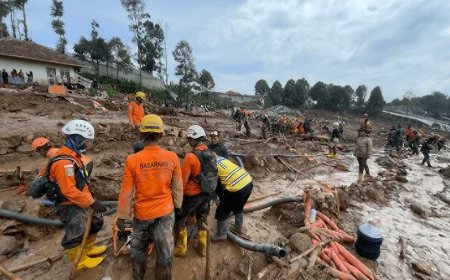
























































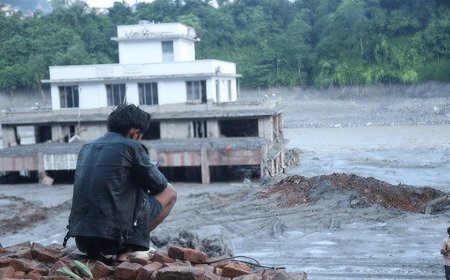
There is no room to view this incident as merely an isolated natural disaster. It is essentially a reflection of the utter failure of global climate politics and an unequal global structure.
To halt this blind expansion of those who cannot tolerate any difference of opinion, and to protect our collective future, rising against this destructive system and radically transforming it is the greatest demand of our time.
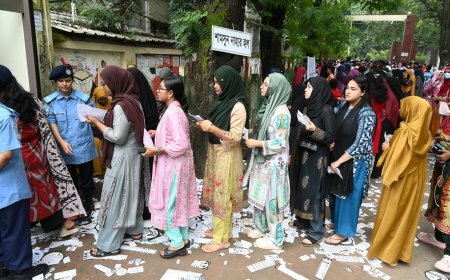
Bangladesh’s universities have long produced political movements and political leaders. They can also become laboratories for better political institutions. A democracy willing to experiment with how it listens to voters may ultimately become better at hearing them.
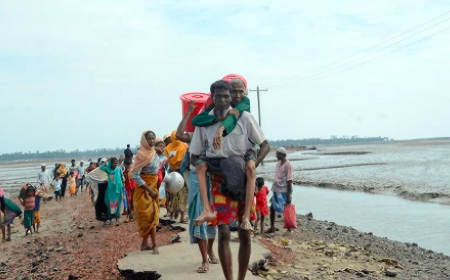
Nine years ago, the Rohingya crossed into Bangladesh expecting to stay for a season. They are still there. The speeches have changed hands three times, but the camps have not moved.
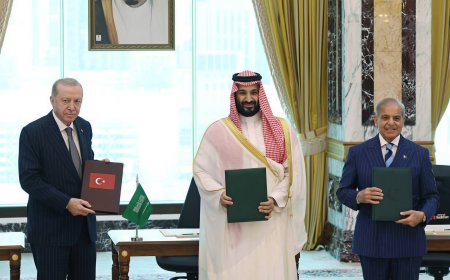
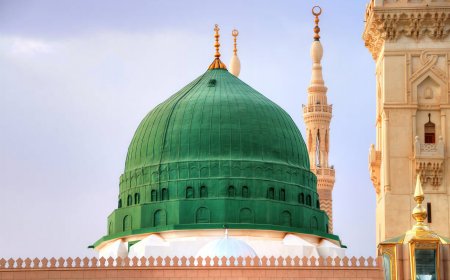
A defence pact that only defends when nobody is actually being attacked is not a defence pact. It is a press release, and Mecca's first stress test made that painfully clear.
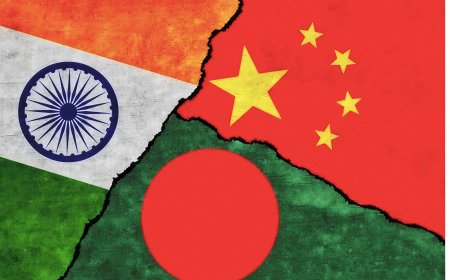
Bangladesh does not need an India-first, China-first, Russia-first or West-first foreign policy. It needs a Bangladesh-first foreign policy. And perhaps the simplest test of such a policy is this: Which choice leaves the country with more doors open?
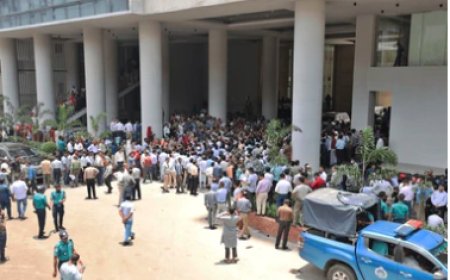
In public recruitment, discretion is not automatically a sign of sophistication, and subjectivity is not automatically a measure of quality. Sometimes the most modern recruitment system is simply the one that leaves the least room for anyone to ask who was favoured and why.

While recency bias plagues most All-Time XI lists, where how far you go back tends to depend on how old you are, with Bangladesh, we don’t really have to worry about that, as we can only go back to 2000 anyway.

A post receiving hundreds of reactions may make someone feel appreciated, while a post receiving little attention may create disappointment or self-doubt
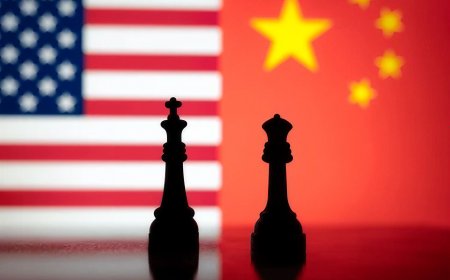
China leads in AI publication volume, citations, patent output and industrial robot installations, while the US retains advantages in notable model development, high-impact patents and investment.

The nation needs a doctrine to specifically define what the state should exist for and what it should deposit into the people's account for a longer term than an electoral cycle. The plan can be subordinated to the doctrine to ensure continuity of governance, not of party.

To live fully is to stand barefoot on the razor's edge between what we know and what we can only feel -- embracing the magnificent chaos of a mind that refuses to be tamed.

Bangladesh does not need more boxes ticked. It needs evidence that financial crime is investigated regardless of who committed it, that stolen assets can be recovered, and that institutions can withstand political pressure.
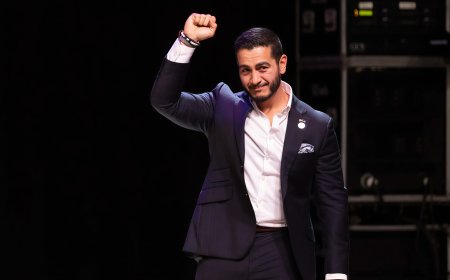
Born to Egyptian Muslim parents, he wants to make a positive difference in the lives of everyday Americans. It’s a matter of pride that he boldly speaks of his Muslim faith, despite the horrendous backlash faced by this community, especially if someone dares to try rising to the ruling class.

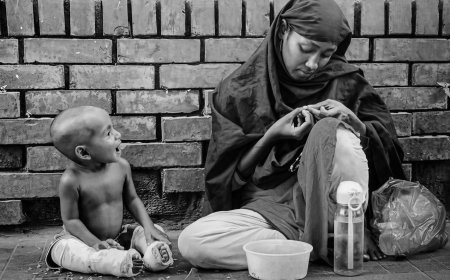
The mother is running for survival. Her hope, perhaps, is that one day her daughter will be able to run for choice. That distinction matters.
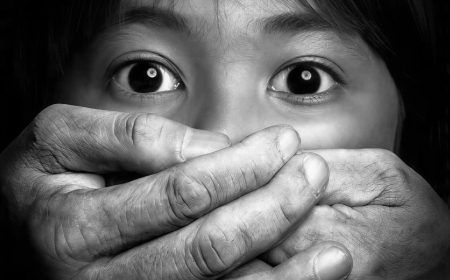
When a grown man rapes an 11-year-old and society's first instinct is to ask whether the girl was "of age," the problem is no longer just one predator. It is a collective willingness to call a psychiatric disorder a matter of taste.