

























































Bangladesh's economic prospects depend partially on how successfully it can navigate an international trade environment that has become increasingly defined by geopolitical rivalries.
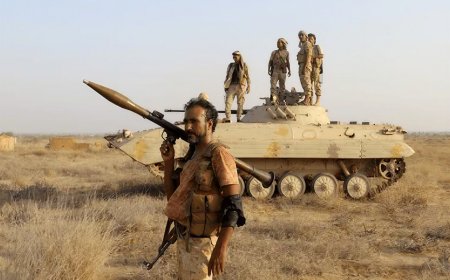
Participation in an emerging regional security architecture should strengthen Bangladesh’s strategic autonomy, not turn its armed forces into an instrument of another country’s foreign policy.
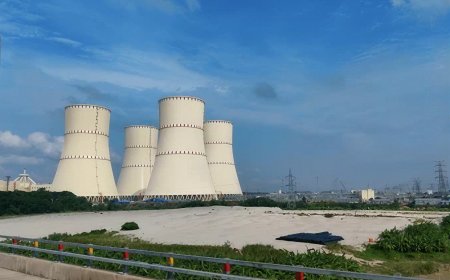
Bangladesh has switched on its first nuclear reactor, on a monsoon floodplain, with no plan for when things go wrong. And in Bangladesh, Murphy’s Law seems to rule supreme. Anything that can go wrong will go wrong.

The interim government recognized that the 1973 ICT Act needed reform, but the changes made fell well short of what fair trials require. This is Part One of a series on the International Crimes Tribunal.

Treating such risks as specialist environmental concerns leaves the main political conversation disconnected from the foundations of national stability.

Bangladesh’s weakest areas are human capital and research (127th), business sophistication (125th) and institutions (113th). The second deserves the most attention, because it shows exactly where the system breaks.
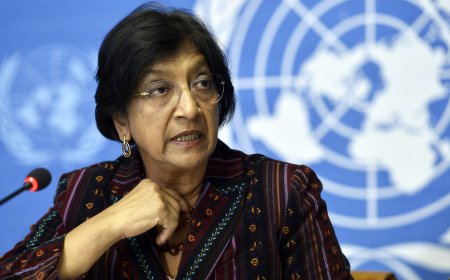
Do we seek accountability when the evidence implicates someone we admire? Do we oppose genocide consistently, or only when its perpetrators belong to the other side? The answers matter more than the ease with which we endorse justice in principle.

As economic conditions evolve, is the central bank prepared to allow the taka to depreciate, or indeed appreciate should it come to that, over time? The MPS should ideally spell these out in an analytical manner.
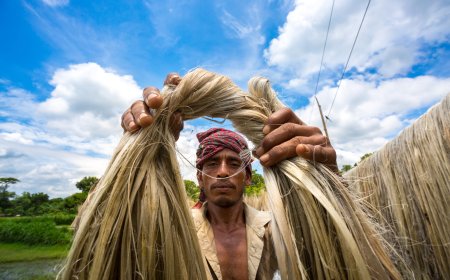
To save agriculture, we must bring back the farmer's lost traditional wisdom. Establishing community-based seed banks at the village level to preserve indigenous seed varieties is the ultimate demand of the hour.

If Bangladesh is to emerge from this transition with institutions genuinely stronger than those it inherited, power must become harder to capture, harder to personalize and easier to restrain.
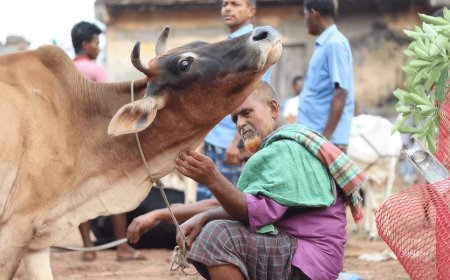
Growing up in Bangladesh, Qurbani Eid generally presented an unseemly sight. In the absence of centralized abattoirs, slaughtering occurred in building compounds, on public streets, or wherever space was available.
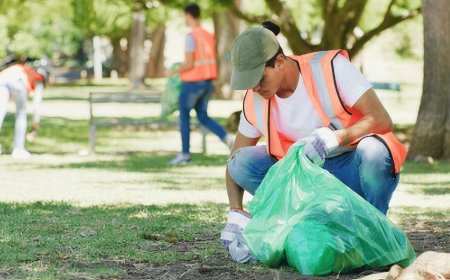
The decline in volunteer participation has several negative effects. Communities lose energetic young leaders who can organize awareness campaigns, environmental projects, and emergency responses.
Contrary to what regime defenders believe, this government is not safe. People who are encouraging it to become more coercive are doing it a serious disservice.

A genuine win-win partnership should create employment for Bangladeshis, strengthen Bangladeshi enterprises and build local capacity while providing Chinese businesses with opportunities in a growing market.

When Global South outlets amplify that framing without question, they become complicit in a propaganda architecture they did not build and do not control.

Safer to enter, harder to run: The revised rules may slow digital banks on their way to the underserved.