







































A serious opposition does not merely show that something is broken. It identifies who is responsible, produces evidence, demands a remedy, and keeps the issue alive after the cameras leave. That is harder than shouting. It is also politics.

Bangladesh has inherited a tax system that leans hardest on those least able to bear it. That was decades in the making, and it will not be undone in a single budget. But change it must.
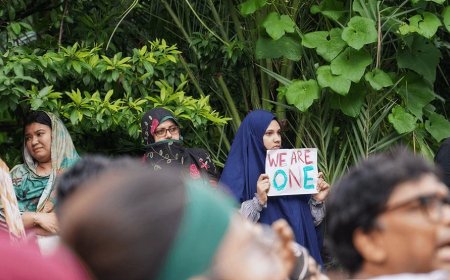
Our academics, civil society, and the media must urgently mobilize to stand beside the public. Civil society must venture beyond the comfortable confines of elite, conventional discourse and aggressively advocate for the legal protection of the most marginalized communities.
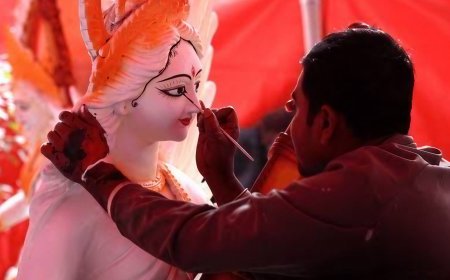
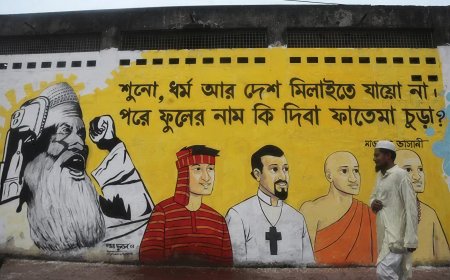
If Puja holidays damage the economy, calculate the economic cost of holidays demanded for one's own religious occasions as well. If religious processions blocking roads are unacceptable, demand the same rule for every religious and political gathering.
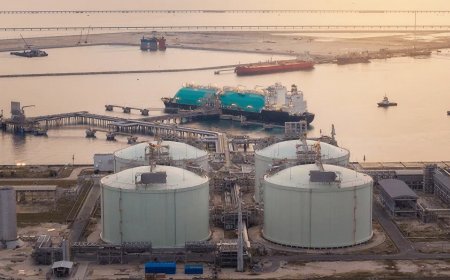
Bangladesh has already felt this reality directly -- fuel prices have risen sharply, garment factories have faced shortages and canceled orders, and foreign-exchange pressure has intensified, all within the same few weeks.
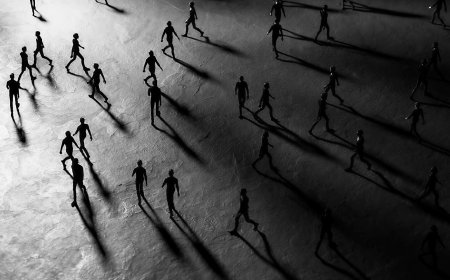
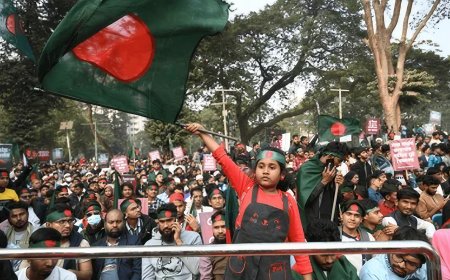
Freedom was never merely the achievement of a flag, a territory or a government of our own. Its deeper promise was the creation of a society in which human dignity would not depend on political affiliation, religious identity, social status or the mood of a crowd.

The shift from nearly 36% in September to 30.60% in December, then rising to 32.78% by June, serves as a crucial reminder. While a decrease in the reported NPL ratio may seem positive, it is only meaningful if it reflects real improvement in credit quality.
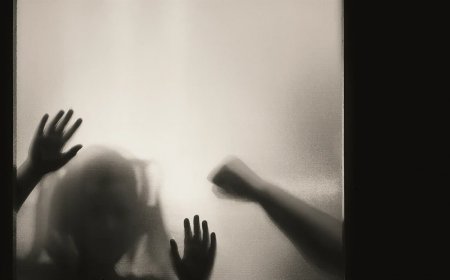
A nation is not protected merely by police stations, courtrooms and prison cells. Its deepest security is found in the trust between a child and the adults around them. If that trust collapses, no number of arrests after a tragedy can repair it.

Bangladesh survived many mistakes during the past several decades because growth was strong enough to absorb them. The next decade may be different. The countries that prosper in this new world will not necessarily be those with the smartest experts.
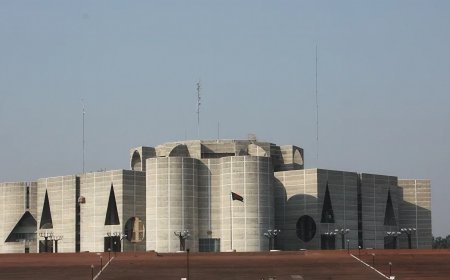
Democracies have one great corrective: The election, the moment citizens who handed over power can take it back.
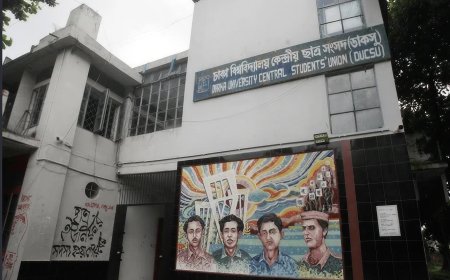
The controversy over DUCSU’s refurbished museum is not really about whether Jinnah belongs on the wall. It is about something more consequential: Who gets to decide which parts of Bangladesh’s political past remain visible.

Bangladesh will begin to escape its cycle when “Look what they did” ceases to be an adequate response to “What have you done?”
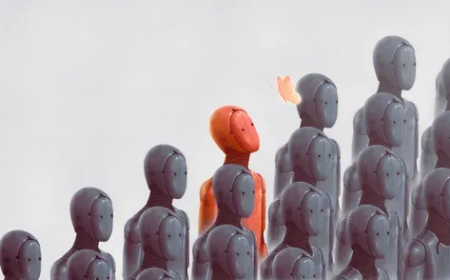
We have grotesquely transformed the vibrant, chaotic innocence of childhood into a perpetual, agonizing autopsy table, and the debt of this spilled blood cannot be settled through fleeting expressions of sorrow on social media platforms.
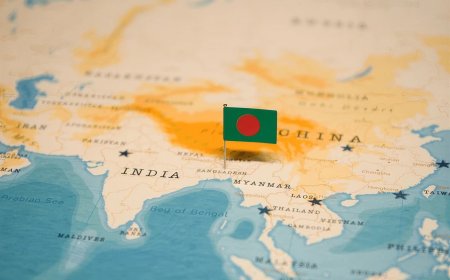
Foreign policy is ultimately not an accounting exercise in who loves us. It is about identifying where interests converge, where they conflict, what each relationship can deliver, what risks it creates, and how those relationships can be converted into bargaining power for Bangladesh.
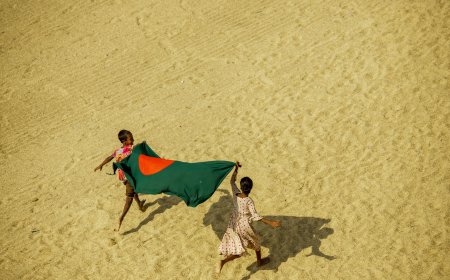
Our historic task is not merely to change who governs Bangladesh, but to change how Bangladesh is governed -- and how we, as citizens, understand our responsibilities to one another and to the nation