























































Dhaka-8 and the Politics of Trolling
Trolling is hit-or-miss politics. It is unstable, often unserious, and frequently destructive to governance. But when it works, its impact is asymmetrical -- geometric, even gigantic-- compared to traditional campaigning.
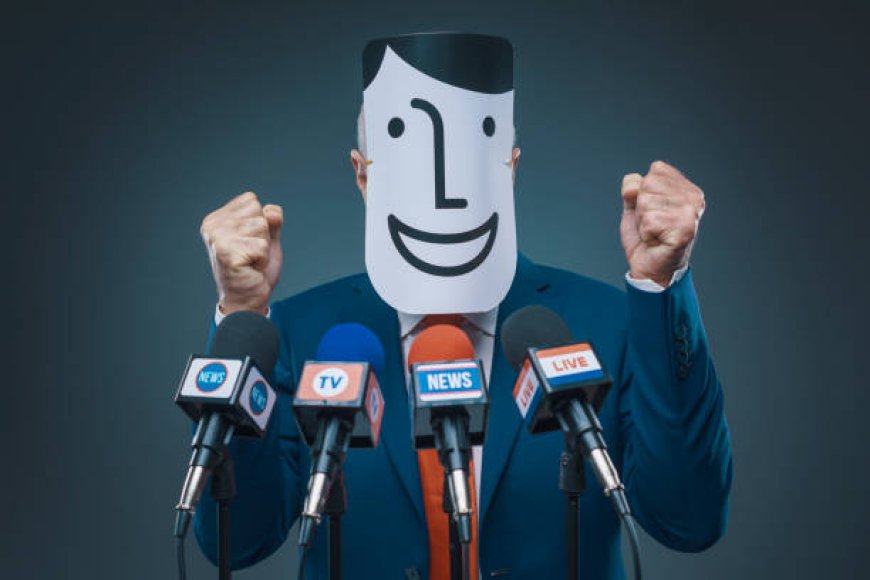
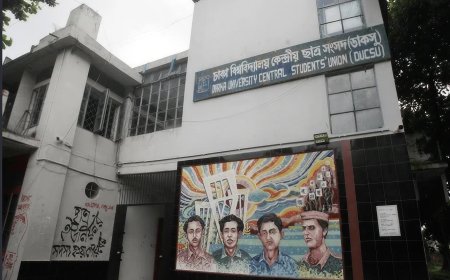
In the Dhaka-8 election contest between Nasiruddin Patwary of the National Citizen Party (NCP) and veteran politician Mirza Abbas of the Bangladesh Nationalist Party (BNP), something unusual is unfolding -- something that feels oddly familiar to anyone who has followed Western politics over the past decade.
I’m seeing a “Trump phenomenon” play out on Bangladeshi social media.
What Donald Trump did in 2011-2012 -- his relentless trolling of Barack Obama, the birther conspiracy, the constant provocation -- did not win him the presidency right away. In fact, it didn’t even make him a serious candidate at the time.
But it did do something more important: it established Trump as a future political figure. It built name recognition, emotional attachment, meme-level familiarity, and a fanbase that didn’t care about traditional credibility.
That is precisely what Nasiruddin Patwary appears to be doing in Dhaka-8.
Only weeks ago, almost no one thought he had a realistic chance of even saving his জামানত. Today, he is being jokingly -- but also actively -- promoted across social media for his daily trolls, theatrics, and entertainment value. The campaign has crossed from politics into performance.
This strategy could absolutely backfire. The actual residents of Dhaka-8 may grow irritated that their constituency is turning into a national troll page.
But another segment of voters, especially younger ones, may take a very different lesson from all this. They may think: Oh wow -- political popularity can actually be built through trolling alone.
In a country known for violent and corrupt elections, the idea of “winning” through memes and mockery may not seem noble -- but to many, it may seem less lethal, less bloody, and less corrupt than the alternatives. That perception alone is powerful. Some will surely fall for it.
Many local political actors in Dhaka still underestimate the role of social media in elections. Facebook launched in 2007. Bangladesh’s last broadly accepted “fair” election was in 2008. Since then, the world has fundamentally changed.
Social media now routinely elevates politicians in the US and Europe -- some openly outrageous -- straight into national power. Digital attention has become political capital.
Bangladesh’s two major parties, however, are structurally weak in this arena. Their value systems are built on norms, history, hierarchy, formality, and loyalty. Troll politics requires none of that. Trolls do not respect institutional memory. They do not wait their turn. They do not care about decorum.
Trolls are men of their own.
Historically, they either seize entire platforms -- as Trump did -- or they become disruptive political actors in their own right, like Tommy Robinson in the UK or Marjorie Taylor Greene in the United States. Most trolls, however, simply vanish, making room for the next troll to emerge.
Trolling is hit-or-miss politics. It is unstable, often unserious, and frequently destructive to governance. But when it works, its impact is asymmetrical -- geometric, even gigantic -- compared to traditional campaigning.
Dhaka-8 may be a small constituency, but the experiment unfolding there is not small at all.
The warning signs are flashing.
Up your game, big players. You’ve been cautioned. Act now.
Shafquat Rabbee Anik is a political commentator.