































![A Ledger of the Soul: Navigating the Allah-Bhagavant Nexus in a 19th-Century Puruṣākāra Jñāna Caupara [Gyan Chauper]](https://counterpointbd.com/uploads/images/202608/image_430x256_6a93baa3b09a7.jpg)





















The Conquest of West Bengal
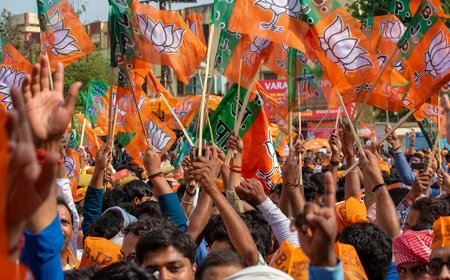
The BJP campaign, like the one in 2021, was conducted in a manner reminiscent of an invasion rather than an election. Television channels and newspapers, many of which are openly and enthusiastically aligned with Modi’s party, framed the elections as a conquest of Bengal by him and Shah and the Hindutva party they lead.

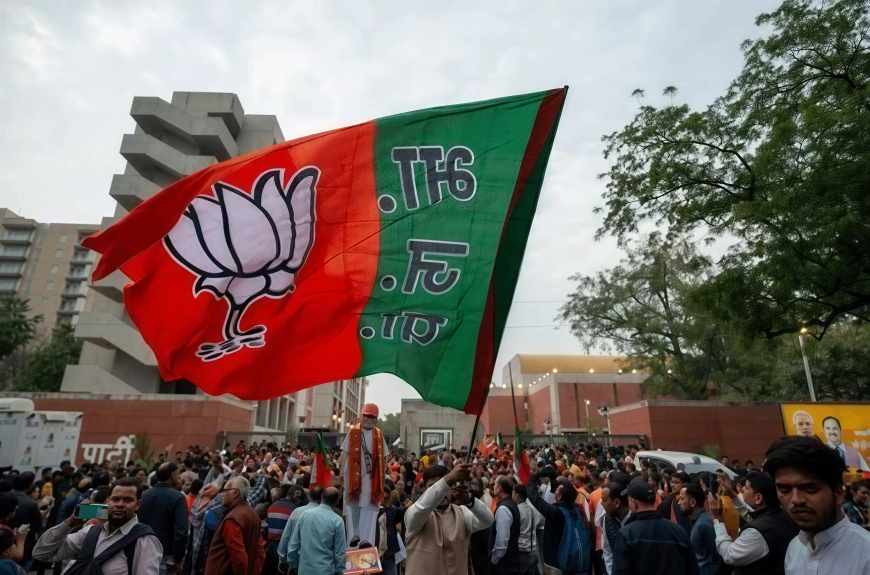
The latest assembly elections in West Bengal have produced a regime change that was long the dream of Prime Minister Narendra Modi and his Bharatiya Janata Party.
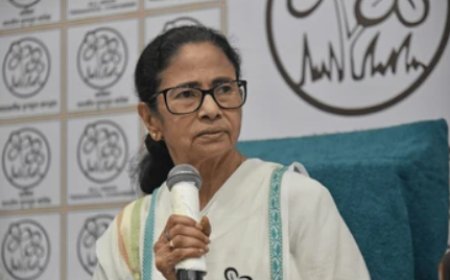
Chief Minister Mamata Banerjee and her Trinamool Congress party have been reduced to 80 seats from 215 in the 294-member assembly. The BJP, whose campaign in Bengal was led by Modi and Home Minister Amit Shah, has secured 207 seats.
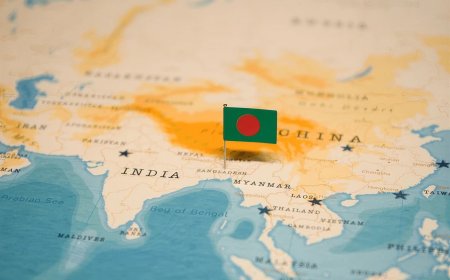
The implications of this, and the BJP’s victory in neighbouring Assam, whose Chief Minister Himanta Biswa Sarma was recently in the news for boasting in a televised interview about forcibly pushing back suspected illegal immigrants from Bangladesh into that country, will undoubtedly be significant in these Indian border states.
Their impact on relations between India and Bangladesh may however be minimal, despite campaign rhetoric from BJP leaders that made a poll plank of alleged illegal immigration from Bangladesh.
The reasons for the internal significance of the hard-fought and controversial elections in West Bengal are well known by now. The polls were preceded by a “Special Intensive Revision” of electoral rolls by the Election Commission in which around nine million voters were removed from the electoral rolls, including around 2.7 million under a category called “Logical Discrepancy” which critics said was used to selectively target potential TMC voters.
Mamata, who was chief minister since 2011, has rejected the election results, alleging manipulation not just of the electoral rolls but also of the counting of votes. However, her party was facing anti-incumbency after 15 years in power.
A consolidation of Hindu votes in favour of the BJP and a split in Muslim votes between the TMC and other “secular” parties such as the Congress, along with the deletion of millions of voters, may account for the result.
The BJP campaign, like the one in 2021, was conducted in a manner reminiscent of an invasion rather than an election. Television channels and newspapers, many of which are openly and enthusiastically aligned with Modi’s party, framed the elections as a conquest of Bengal by him and Shah and the Hindutva party they lead.
Lakhs of heavily armed central armed paramilitary forces personnel were posted to West Bengal during the elections, along with armoured cars and other paraphernalia, adding to the atmosphere of conquest.
Even in defeat, the TMC garnered 40.8 percent of the vote. The approximately 26 million people who voted for the party may share their leaders’ sentiment that they lost a fixed match on a playing field that was far from level, in which the umpires were partisan.
This is a saga that Bangladeshis would be familiar with. The story of controversial elections leading to the installation of a government preferred by the powers that are in Delhi, now being heard in Kolkata, has been told in Dhaka since 2014.
Nonetheless, the regime change in Kolkata is something that the government in Dhaka, like the one in Delhi, would probably like to keep out of relations between India and Bangladesh.
The Modi government, since the election of the new Bangladesh Nationalist Party government in Bangladesh, has indicated that it would like to maintain a cordial working relationship with Prime Minister Tarique Rahman even while it continues to shelter former Prime Minister Sheikh Hasina and many of her close aides.
Towards that end, it recently appointed former senior Trinamool Congress leader Dinesh Trivedi the new High Commissioner in Dhaka. Trivedi, who is Gujarati like Modi and Shah but speaks Bengali fluently, was once Mamata’s trusted aide and a minister of the TMC. He defected to the BJP in 2021.
Tarique, on his part, has also spoken of cordial and constructive ties with India.
The geographic reality that India and Bangladesh must live with one another is understood by both sides. The imperatives for cooperation are structural and exist at the geo-political and economic levels.
The irritants in the relationship, by the same token, are also structural, and have persisted through various permutations and combinations of governments in Delhi, Kolkata and Dhaka. The dispute over water sharing, especially of Teesta River waters, existed when Manmohan Singh was PM in India, Sheikh Hasina was PM in Bangladesh, and Mamata Banerjee was Chief Minister in Kolkata, and still exists now.
A new BJP government would have to risk considerable political capital to change the status quo.
Questions of alleged illegal immigration from Bangladesh and the recurrent killing of people at the border by Indian Border Security Forces are a perennial problem that have also persisted with all these various governments in power.
It is probable that there will be more instances of various kinds of mistreatment of alleged Bangladeshi illegal immigrants in the days ahead.
For speakers of other languages in the rest of India, especially from the Hindu Right, any Bengali-speaking Muslim, unless visibly rich, is potentially an “illegal Bangladeshi immigrant” or a “Rohingya.” The Bengali Hindu, unless visibly Hindu and audibly Modi-loving, is a potential “anti-national” or at any rate, a Liberal or Leftist.
Seeing suspected Bangladeshi immigrants and liberal Bengali Hindu elites being put in their place will warm many a heart in India, and not just on the Hindu Right. Their plight may draw a few words of lip-service now and then. Other than that, we can expect the governments in Delhi, Kolkata, and Dhaka to go on with business as usual.
As politics globally moves to a purely transactional “art of the deal” with zero values, the lives of a few poor people count for very little.
The conduct of a genocide in plain sight, with unstinting support from the West and little more than lip service from Muslim countries around the world, has demonstrated that there are no human values in contemporary international relations. There are only cold calculations of potential profits.
Whether the plight of minorities in India or Bangladesh has any impact on foreign policy in either country is going to depend on domestic political calculations as well as larger geopolitical and economic calculations in Delhi, Dhaka, and elsewhere.
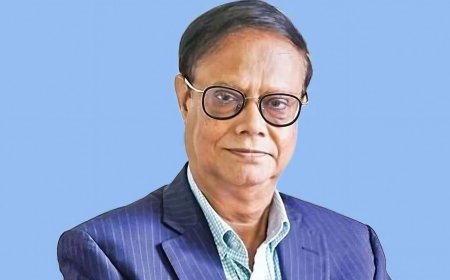
Samrat Choudhury is an author and editor. His most recent book is Northeast India: A Political History, published by Hurst, UK, and HarperCollins, India.