






























































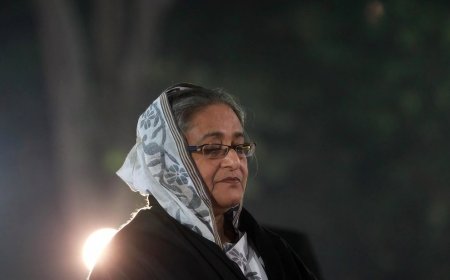
Hasina has nudged New Delhi to define its position on her extradition and forced the BNP to confront, sooner than it may wish, whether it truly wants her back and, if so, on what terms.

In Episode 3 of Cultural Bourgeoisie, Jyoti Rahman and Ehteshamul Haque discuss the life and legacy of Alexander Hamilton as the United States marks its 250th anniversary. The episode explores the founding ideals of the American republic and their lasting influence on politics, governance, and economic development.
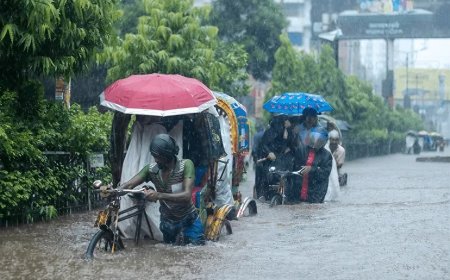
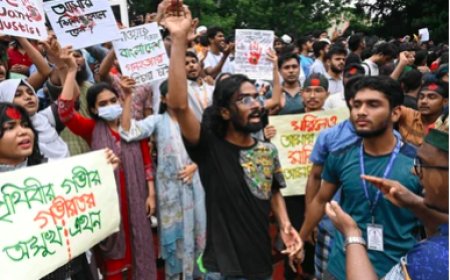
While we may briefly celebrate that the onslaught of criticism finally led to an apology and considerations for exam retakes, the government's quick patch-ups, for now, are, simply put, temporary band-aids.
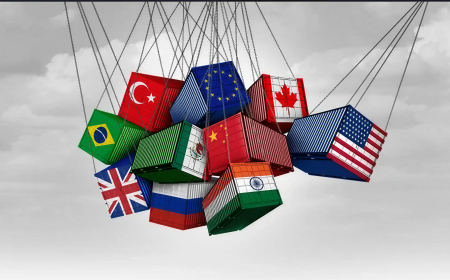
Engagement with China is presented as proof of resistance against Western dominance. Good relations with India become synonymous with regional stability. Foreign policy becomes a performance of political identity rather than a framework for advancing long-term national interests.
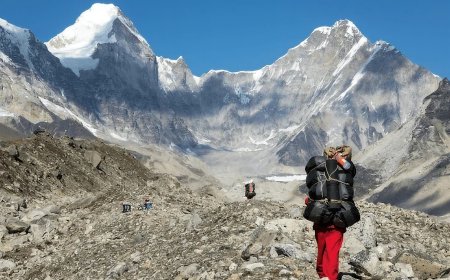
The Western adventurer, armed with a historically cultivated obsession and corporate capital, comes to a land where the mountains are woven into the spiritual and daily life. He relies on the unparalleled skill and strength of the Sherpas, whose names are too often relegated to the fine print of history, to achieve a personal zenith.

Jon Danilowicz and Zafar Sobhan discuss the United States' 250th anniversary, exploring how political commemorations shape national identity, historical memory, and international perceptions in an increasingly interconnected world.

Keir Starmer’s resignation in the UK, the sixth in a row over the last ten years, suggests a genuine crisis not only in the UK but across European politics.
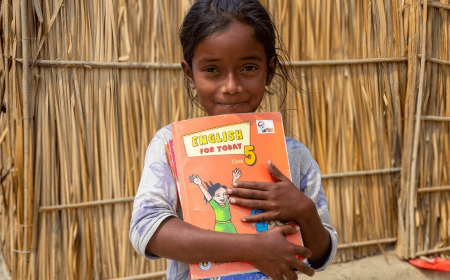
In Bangladesh, we nonstop speak of institutional reform, a tech-forward future, and human potential, but willingly deprive the people in char areas entirely of essential infrastructure.
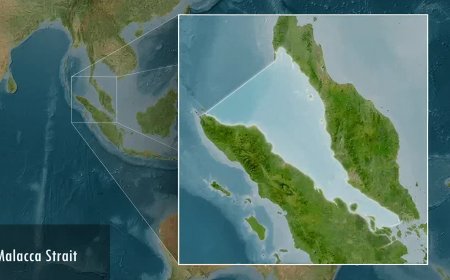
There is the India-shaped hole in the map. By excluding New Delhi, Beijing has made the corridor more diplomatically tractable, but it has also converted an economic connectivity project into a more explicit piece of the China-India strategic contest in the Bay of Bengal.

Mental health is significantly affected by the media's ideas given towards women's beauty, especially for younger girls. Research shows that exposure of media images of unachievable beauty standards can lead to body dissatisfaction, low self-esteem and eating disorders.
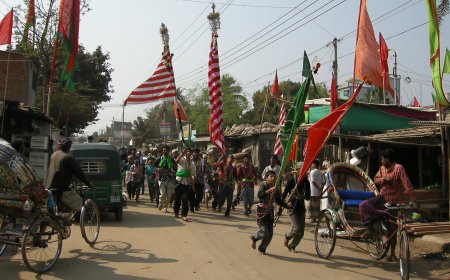
For those unfamiliar with the cultural tapestry of Dhaka, your obligation as a paiki is to run as a spiritual messenger from one local shrine to another during the 7th to 10th day of Moharram -- entirely barefoot, enduring the burning asphalt and the direct heat.
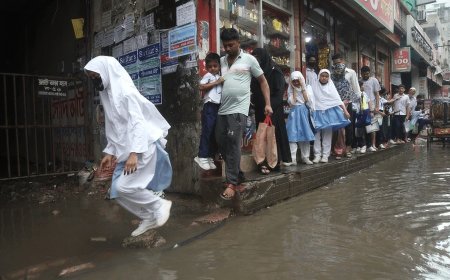
Bangladesh needs emergency protocols that operate before photographs go viral, independent technical review of every national question paper, public disclosure of examination failures, and a transparent remedy for affected candidates.

The recent closure of Ad-din Hospital in Bangladesh illustrates how policymakers sometimes impose extreme sanctions without considering proportional alternatives.

Law exists to separate truth from allegation, evidence from assumption, and justice from vengeance. The moment these lines become blurred, it weakens public confidence in the legal process.

Taxation is not simply about extracting more money from society. It is about defining the relationship between the state and its citizens. Countries do not become middle-income merely because they collect more taxes. They succeed when taxation strengthens the social contract rather than weakens it.

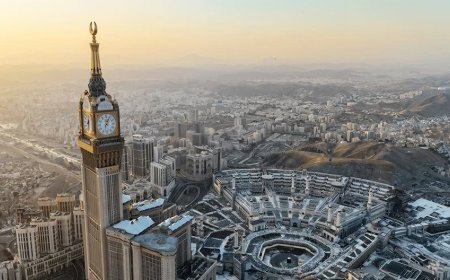
The latest regional security shocks have exposed a deeper reality. Hormuz is not simply an oil chokepoint; it is the foundation upon which the modern economies of the Gulf were built.