















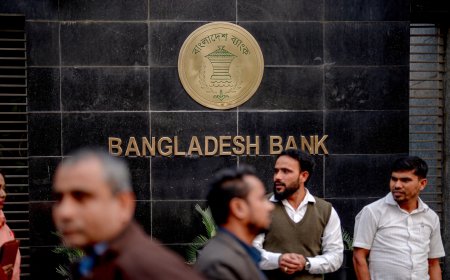






























When institutions operate without transparency or accountability, they forfeit their legitimacy and become the very source of the wounds they were meant to heal. For the post-uprising state to heal the nation, it must first heal itself, by dismantling these deeply rooted practices of exception and institutionalized violence.

At its core, Nawaz is asking something very simple and very devastating: What do we owe the dead, and how much of ourselves must we sacrifice to pay that debt?
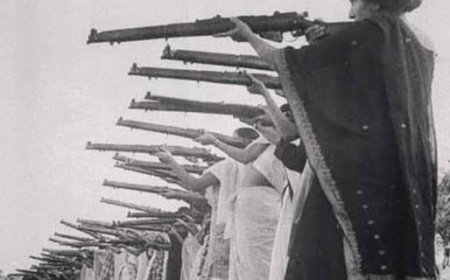
Women were not mere supporters; they were shapers of conditions, bearers of risk, and, in many cases, decisive actors. The war cannot be imagined without them, but its written history has often proceeded as though it could.

Seeking a clearer understanding of history does not diminish the legacy of the Liberation War, but honors it more completely. A nation willing to examine its past with honesty shows confidence in its own story.

Comprehensive reform of the judicial system has emerged as a major national demand.
Debate is one thing. Disinformation is quite another. Let us have an open, honest, nuanced conversation about the Liberation War, but let us always be guided by the truth.

In the past decade, a number of books have appeared on Bangladesh’s Liberation War. This essay covers three volumes focusing on the war from within the lens of conflict studies and great game manuevering -- by Gary J Bass, Srinath Raghavan, and Salil Tripathi.
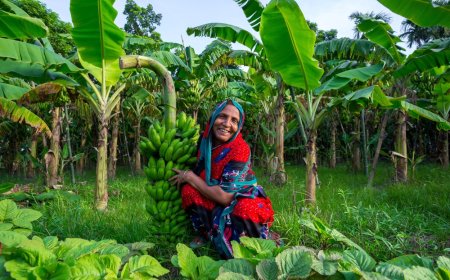
Our Liberation War was basically about human rights and dignity. It was a call to refuse to be oppressed, to fight on behalf of the right of self-government, and to struggle in support of the values that unite us as a people: freedom, justice and equality. We must take pride in this history on Victory Day, as it represents not only a past victory but also a promise for the future.
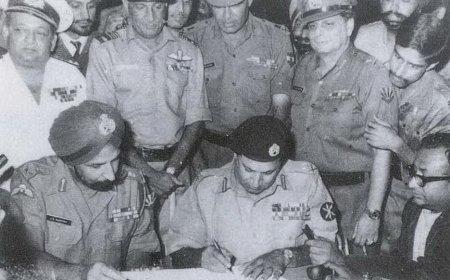
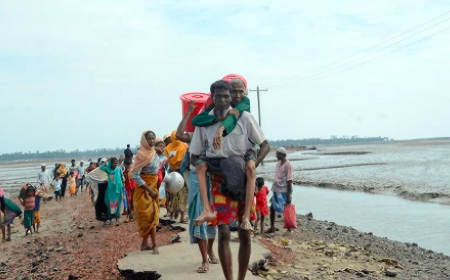
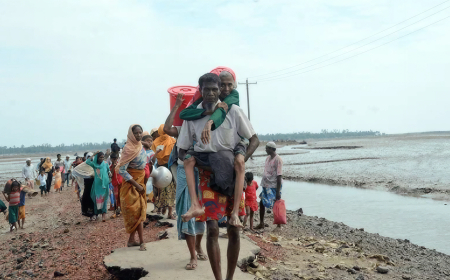
On this day, Bangladesh did not yet know what it would become. It only knew what it had endured. The newspapers recorded surrender, denial, diplomacy, return, and rebirth. The people carried something else entirely -- a heavy, wordless knowledge of survival. That knowledge, more than any headline, is what remains.
1971 is not only the history of a time; it is the foundation of our national identity, which must constantly be re-read, understood, and preserved. Re-reading the Liberation War of 1971 in the context of the current times and its challenges is the need of the hour.
An interim government, by definition, should not be working to any ideological agenda. But the Yunus regime appears to be doing precisely that.
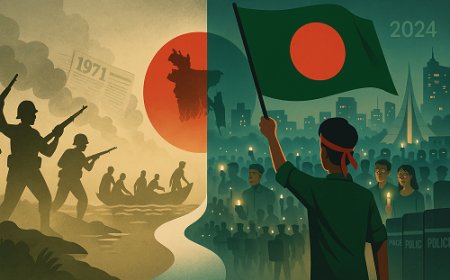
1971 built a nation from nothing. 2024 has given us a chance to repair it. Independence is absolute; democratic reform is fragile.