
































































Women’s Empowerment: Time to Implement the Promises in the Manifesto
As the BNP is now the ruling party in Bangladesh, there is a growing expectation that it will implement the commitments it made in its platform. While women represent 50.83% of Bangladesh's population, their rights continue to be threatened by violence, limited political participation, and social restrictions.
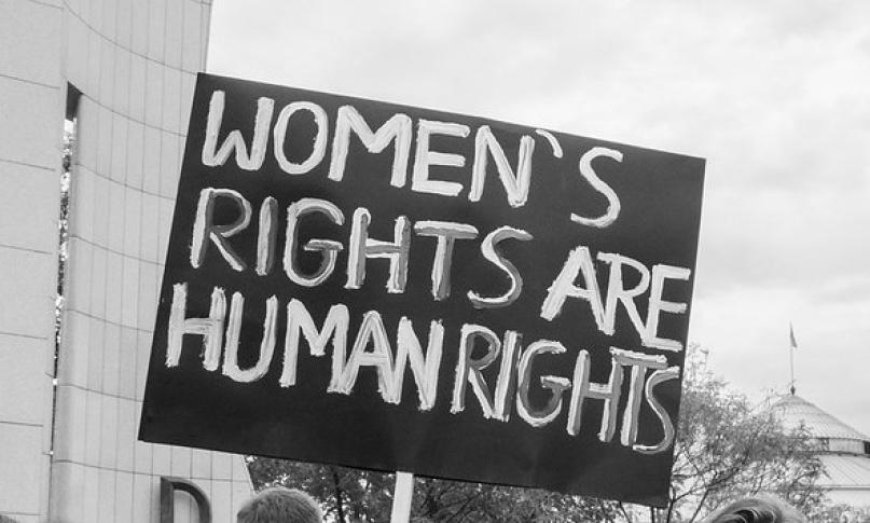
International Women's Day is celebrated all over the world today - March 8th. On this day, people all over the world celebrate women's rights, women's dignity, and women's equality. For many women living in Bangladesh, these are issues of particular relevance.
While women comprise nearly 50.83% of Bangladesh's total population, they account for only 44.15% of the labour force (World Bank/ILO, 2024). Women continue to face numerous obstacles in achieving their full potential, including violence, economic dependence, lack of access to health care services, and long-standing social constraints.
Therefore, at a moment when a newly elected government is in power, women in Bangladesh naturally expect action on the promises made during the campaign period leading up to the election.
One of the chapters in the BNP's most recent election manifesto addresses women's rights and empowerment in detail, and it is expected that these commitments will translate into concrete action.
Former President Ziaur Rahman (1977-81), who founded the BNP and served as its president, believed that women's rights should be central to the country's development. He understood that the nation's development cannot occur without women's involvement.
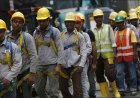
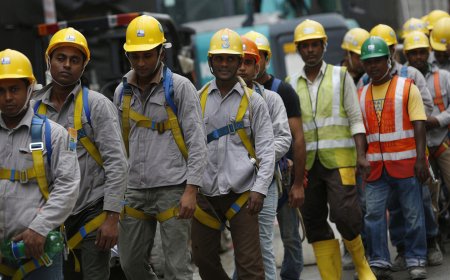
During his presidency, he established policies that created the conditions for the expansion of export-oriented industries, specifically the ready-made garment industry. This industry grew rapidly after his presidency and currently employs approximately 4.2 million workers; about 60% of those workers are women (BGMEA/ILO 2024-25).
Ziaur Rahman also established the Ministry of Women's Affairs and implemented quotas for women in public service. His appointments of women to high-level positions in his cabinet, including State Minister for Women's Affairs Tasleema Abed, exemplified women's leadership in government.
Many of the initiatives he took to promote women's economic independence are still relevant today and have served as building blocks for the progress women in Bangladesh have achieved since then.
Bangladesh's first female Prime Minister, Khaleda Zia (1991-96, 2001-06), also had a major impact in expanding women's rights. In her first term of office, she launched the Female Secondary School Assistance Program (1994), which made secondary education free for girls in rural areas.
The number of girls enrolling in secondary school rose dramatically, the rate of child marriages fell, and maternal mortality rates decreased.
According to studies by the World Bank and UNESCO, this program greatly improved girls' enrollment in secondary school. Bangladesh became one of the first countries in South Asia to achieve parity, or exceed it, in girls' attendance in secondary schools compared to boys.
She also made primary education compulsory and free and established a stipend program for girls until the tenth grade. Her administration also expanded maternal and child health services through the Health, Nutrition and Population Sector Program. The efforts of her government contributed to the achievements women have made in Bangladesh today.
The chapter "Women's Empowerment" in the BNP manifesto states that promoting women's rights, dignity, and economic independence is key to achieving national development and social justice. The BNP has committed to creating opportunities for women to lead, work, educate themselves, and be protected at both the grassroots and national levels.
One of the more notable proposals in the manifesto is the creation of a "Family Card" to be issued in the names of women in female-headed households. With the Family Card program, five million low-income households would receive either BDT 2,000-2,500 monthly financial assistance or basic food supplies such as rice, lentils, oil, and salt.
Research on social protection programs in Bangladesh demonstrates that when social protection is directed at women, household food security improves and household expenditures on children's education increase.
The manifesto also commits to implementing the Parental Support Act to provide support for elderly parents.
The BNP's ambitions in terms of education are even greater. The manifesto proposes that women should be able to attend school free of charge up to the post-graduate level. Adult female literacy rates in Bangladesh are approximately 76.5-80% (UNESCO/World Bank); however, women's participation in higher education is approximately 30%.
Increasing higher education opportunities could also help reduce the number of women who marry as minors, which still occurs among 47.2% of women (MICS 2025, BBS-UNICEF).
Finally, the manifesto commits to establishing a series of integrated programs to improve women's social and economic status. These programs would include vocational skills training, handicraft and cottage industry training, small business development training, and computer and digital skills training to enable women to participate in the workforce.
There are also commitments to provide microcredit and equipment support to rural, less educated women and homemakers. Such initiatives have already empowered millions of women to become economically independent. Increasing funding for programs that support women-led small and medium-sized enterprises (SMEs) can accelerate women's empowerment in Bangladesh.
Bangladeshi women face several challenges in employment. The World Bank has found that increased access to funding for women who want to start businesses creates more jobs in small businesses.
The ruling party's manifesto pledges to make many changes to the delivery of health care in Bangladesh. First, they pledge to hire 100,000 new health professionals, 80% of whom would be women. They then plan to strengthen the health centres in the area, known as upazilas, to provide better medical care to pregnant women and children.
Regarding the issues of safety and protection of women and girls, the manifesto has declared that the party will establish a "zero tolerance" policy toward gender-based violence. The manifesto further indicates that the party will pursue strict laws against those who engage in gender-based violence, online harassment, hate speech, or bullying.
According to a survey conducted in 2024 by UNFPA and the Bangladesh Bureau of Statistics (BBS), about 76% of women in Bangladesh have experienced violence at some point in their lives, and 49% report having been victims of violence within the last year.
Early 2025 police reports also show a rise in reported incidents of violence against women and girls. Therefore, holding perpetrators accountable through exemplary punishments for committing rape and other forms of violence against women and girls is especially critical.
Institutional programs were proposed, including establishing Women Support Cells at the union level, giving financial and skills training to women entrepreneurs, and creating policies to allow more women to participate in the workforce.
Companies also agree to create daycare facilities, breastfeeding corners in companies and courts, and sanitary napkin vending machines in educational institutions at the secondary and madrasa levels. These new programs could lead to great improvements in women’s health, self-respect, and ability to attend and succeed in schools and work environments.
The manifesto also proposes establishing women-only buses to provide women and girls with safer transportation options, and electing women to positions in local government institutions. Additionally, the manifesto proposes six months of paid maternity leave and one month of paid paternity leave for all employees in Bangladesh.
Menstrual health is another important issue for women and girls in Bangladesh. Many young girls in Bangladesh miss school because they do not have adequate menstrual hygiene facilities available.
UNICEF finds that lack of access to proper sanitation facilities during menstruation represents a significant barrier to young girls attending school. Several countries, including Scotland, Kenya, and several Indian states, have promoted girls' school attendance by providing free sanitary products in schools.
Research conducted by the World Bank and McKinsey & Company estimates that if women's labour-force participation in Bangladesh were to reach parity with men's, Bangladesh's GDP could increase by up to 30% over the long term. The same research finds that women's economic participation presents one of the greatest underutilized opportunities for economic growth in developing countries.
As the BNP is now the ruling party in Bangladesh, there is a growing expectation that it will implement the commitments it made in its platform. While women represent 50.83% of Bangladesh's population, their rights continue to be threatened by violence, limited political participation, and social restrictions.
By prioritizing policies in women's entrepreneurship, education expansion, social protection, safe working conditions, and childcare infrastructure, Bangladesh's development could become much more equitable.
Similarly, just as the policy decisions of Ziaur Rahman and Khaleda Zia laid the foundation for women's progress in the past, the current government has the opportunity to build on this foundation.
Women's empowerment is not only a question of social justice-it is also a fundamental component of Bangladesh's economic future.
When each woman is both safe and financially secure, Bangladesh will have achieved true prosperity. If the commitments made by the ruling party before the election are implemented, the message of International Women's Day will take on real meaning.
It is time to transition from promises to implementation.
Subail Bin Alam is a founding member of Bangladesh Research Analysis and Information Network (BRAIN).