















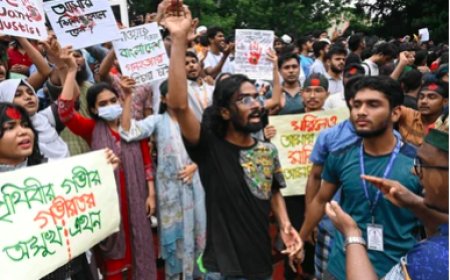












































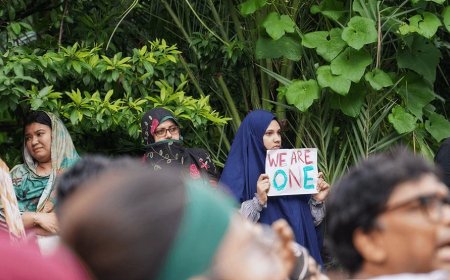
Bangladesh is now a clear battleground in the clash between traditional politics and hyperpolitics, because the party in power is wedded to the old school politics and its opponents rely on the new politics more and more.
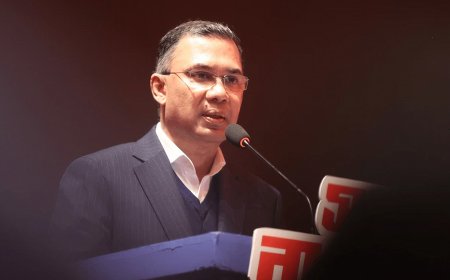
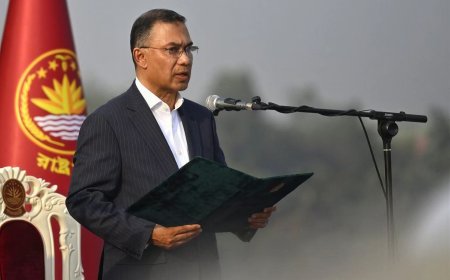
Tarique Rahman has the goodwill, the mandate, and the time to do this differently. The most durable thing he can build in his first term is a caretaker system both the government and the opposition can claim to have shaped, and thus will be owned by both.
A serious opposition does not merely show that something is broken. It identifies who is responsible, produces evidence, demands a remedy, and keeps the issue alive after the cameras leave. That is harder than shouting. It is also politics.
Contrary to what regime defenders believe, this government is not safe. People who are encouraging it to become more coercive are doing it a serious disservice.

Bangladesh will begin to escape its cycle when “Look what they did” ceases to be an adequate response to “What have you done?”

A democracy cannot ask citizens to trust the ballot while treating one of their ballots as optional. The government received its mandate from the people. The July Charter received its mandate from the people as well. Both must be honored.
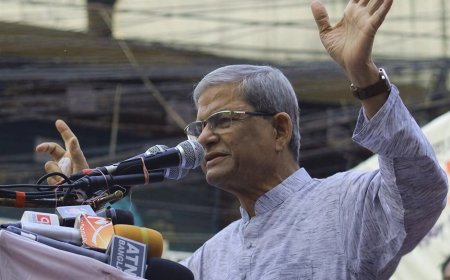
Not only did Mr. Alamgir represent a big obstacle for the right-wing network in their pursuit of power and rent but he was also a prominent face of the liberal democratic elite. He is also an obstacle in the spreading of right-wing influences within the BNP.
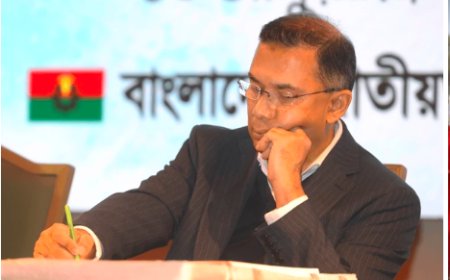
The value of a 180-day plan lies precisely in BNP's ability to make the early report card meaningful. If the clock was started by BNP itself, it cannot now complain that citizens are watching it.

The first Doppler poll suggests that the government's political position remains reasonably strong. Two different national surveys, conducted through different methodologies, place government approval at almost the same level. That convergence deserves recognition.
By choosing Mirza Alamgir, the Prime Minister has placed institutional credibility above other considerations, and in doing so has strengthened the constitutional order his government is charged with restoring.
Public confidence in the future is still stronger than satisfaction with current delivery. That “expectation premium” is a political asset -- but a time-limited one.

The Charter belongs to no party. Whoever channels public impatience into pressure for its implementation will own ground nobody else is contesting.
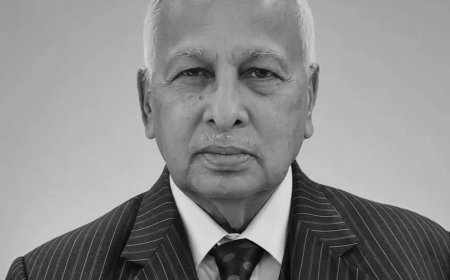
He understood that the success of North South University would serve as a practical demonstration that the newly enacted legislation would help develop Bangladesh. After all, he had been instrumental in helping create the legal framework that made the institution possible.
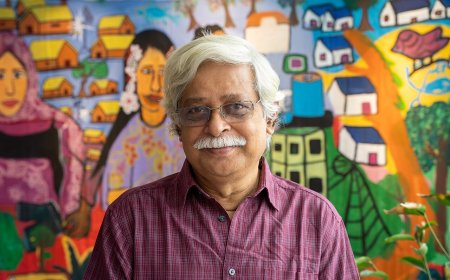
For decades, Bangladesh placed some of its heaviest moral burdens on Muhammed Zafar Iqbal's shoulders. When students needed someone, we called him. When science needed a champion, we called him. When education failed, we expected him to protest.

The presumption of innocence, one of the oldest principles of modern jurisprudence, loses all practical meaning if an acquittal arrives only after years spent inside a prison cell.
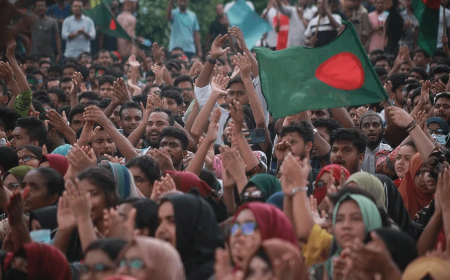
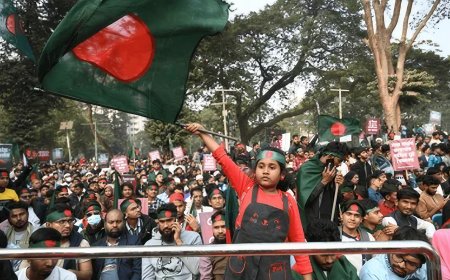
The demand that drove millions into the streets was never abstract. It was the return of democracy and fair elections to Bangladesh, the right of its people to choose their own government, and through that, make the decisions that would govern their destiny.