
















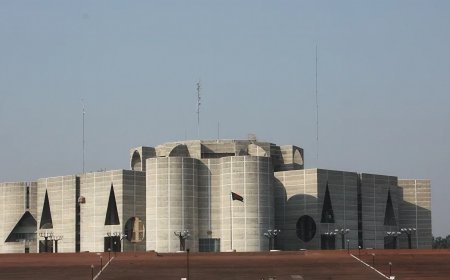











































An uprising can reclaim space without reclaiming sovereignty. It can capture a symbol without capturing the mechanism. It can change the occupants without changing the architecture of access.
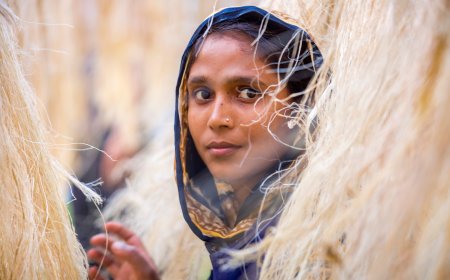
When the language of subalternity becomes a resource through which those closest to power construct their own political identities, we are compelled to ask: Are we truly listening to the voices of the marginalized, or are we witnessing the moral prestige of marginality being transformed into yet another form of political capital?

Yes, economists may envy physicists and political scientists may envy economists. But, here, in a place as fluid and unpredictable as Bangladesh, there are moments when even the most elegant model benefits from being challenged by a journalist's imperfect, half-cooked antithesis.
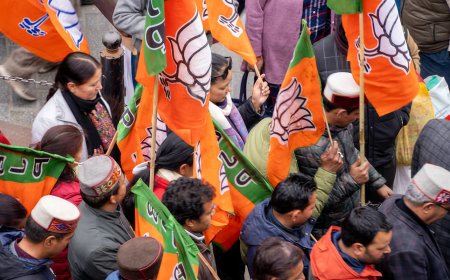
West Bengal's voters may not have articulated this distinction in theoretical terms. But they felt its weight. The images from Dhaka showed them what the far end of one trajectory looks like.
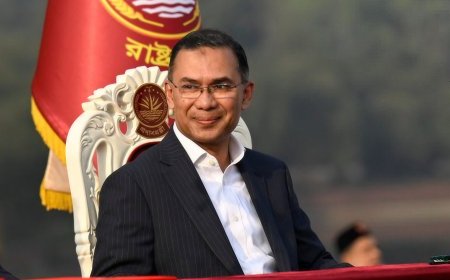
The immediate challenge before Prime Minister Tarique Rahman is to slow down the gyration of the turning wheel and to set us on a straight path. To assess such possibilities we need to clearly understand the political lessons from the recent elections and to explore the pitfalls which lie ahead.
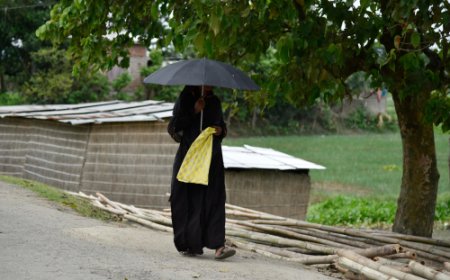
Jamaat’s political ecosystem has long been associated, at least in public discourse, with moral policing and deeply conservative positions on women’s roles. It would represent a significant social shift if large numbers of women, especially younger ones who have faced online and offline harassment from JIB affiliated groups, were now turning toward the party.
Banning the AL has led to a vacuum filled by the Jamaat-e-Islami, now the second largest party and arguably stronger and more hopeful than ever about transforming Bangladesh into an Islamic state.
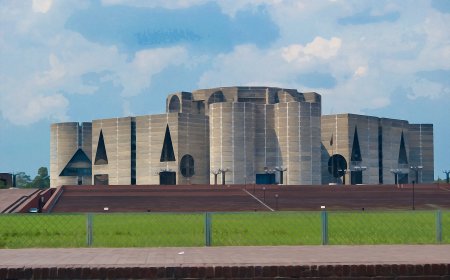
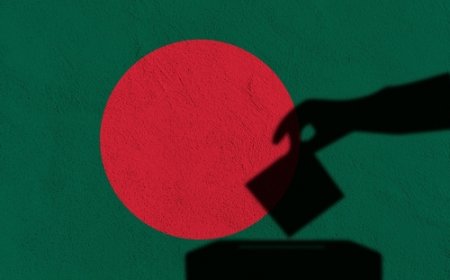
While turnout may not reach historic highs, it is nonetheless expected that up to 70% of voters will participate. Yet, as election day draws near, a palpable sense of anxiety and security concern has settled over the public.
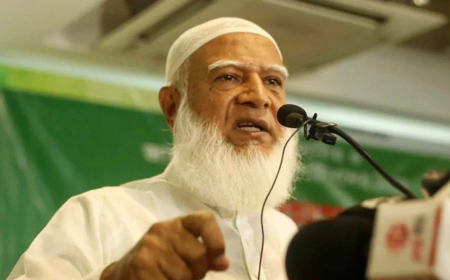
While it would be presumptuous to predict a Jamaat victory in the upcoming elections on February 12, the BNP and other secular and liberal democratic parties must acknowledge the emergence of a Third Party with a moderate Islamic agenda that could gain power in the next round of elections in 2031.
Jamaat has emerged as one of the two main parties in the current dispensation. Its student wing has won student council elections in five universities. Its online activists dominate the cyberspace. It has consistently polled sufficiently well to emerge as the main opposition in the next parliament if not outright win the election.

The notion that Jamaat-e-Islami is on the cusp of ruling Bangladesh tells us less about Bangladesh’s politics and more about the fantasies and anxieties of those observing it from insulated rooms.
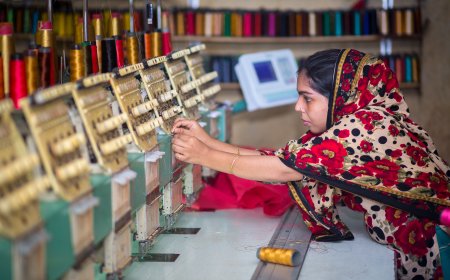
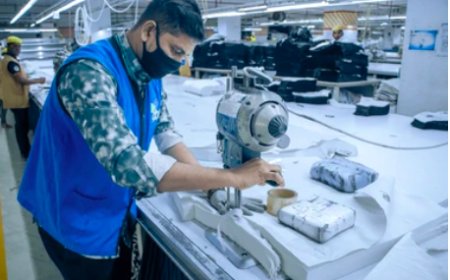
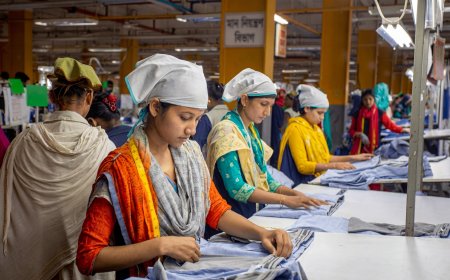
Bangladesh’s working mothers deserve a serious conversation about policies that ease their load and secure their economic future. They deserve thoughtful engagement, not reflexive dismissal. For once, let us debate the policy instead of demonizing the policymaker.

As we enter the final phase before elections Jamaat-e-Islami may be poised to win far more votes than previously predicted. There is still time for BNP to regain the momentum if it appreciates the situation and pivots accordingly. But there is little evidence that it does so.

If NCP grows too strong, it risks becoming a genuine rival. My sense is that Jamaat has neither the intention to reform itself nor the willingness to allow such growth. Jamaat will remain the benchmark of right-wing politics in Bangladesh, while exploiting the NCP whenever a secular shield becomes necessary. The greatest casualty of this alliance will be July itself.

“Razakar” is a word that keeps reappearing in Bangladesh’s political history, carrying shifting meanings and renewed political weight over time.
The King’s Party and the Queen’s party just perpetuate the cycle of dysfunction and corruption, while the people yearn for change. Into this vacuum step the Islamists. But the only change they can deliver will be to further divide us.