































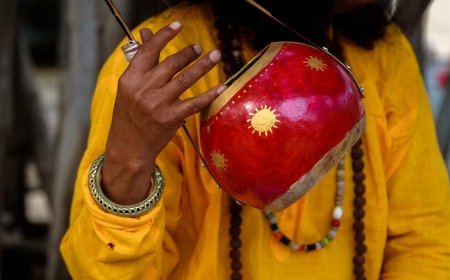
![A Ledger of the Soul: Navigating the Allah-Bhagavant Nexus in a 19th-Century Puruṣākāra Jñāna Caupara [Gyan Chauper]](https://counterpointbd.com/uploads/images/202608/image_430x256_6a93baa3b09a7.jpg)


















The King’s Party and the Queen’s party just perpetuate the cycle of dysfunction and corruption, while the people yearn for change. Into this vacuum step the Islamists. But the only change they can deliver will be to further divide us.

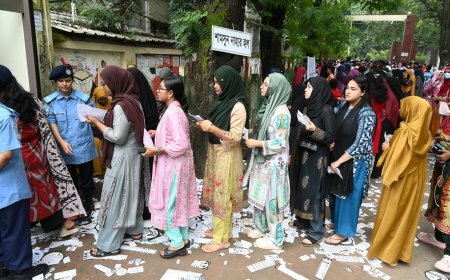
If the February 2026 election is to be festive, free and fair, we will need a campaign so that Bangladeshis believe that their votes will count and their voices will be heard.

By binding the concept of reform so tightly to the consensus commission's existence, and suggesting that the commission's end would spell the end of reform itself, we have propagated a dangerous fiction: that meaningful reform requires suspending normal democratic politics and governing through unelected technocrats.

How revolutionary aspiration transformed into an elite settlement
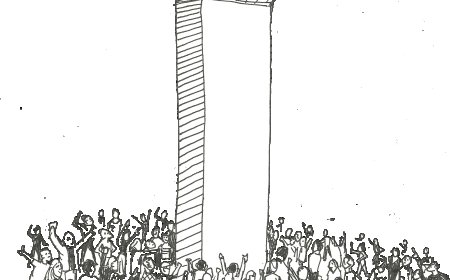
Call the vote. Step down from the balcony. And let an elected government answer, at last, to the only sovereign that matters. The antidote to our present malaise is not another announcement. It is an election.
It is all very well to chart out a pathway to reform, but it is in the implementation that the wheels hit the road, and it is here that the process lacks clarity and cohesion.

While no model for increasing women's political representation is perfect, the crux of the matter is that the political desire for a workable solution is what is absent. This is what must change if women are to experience the fruits of Bangladesh 2.0.

The choice lies with us -- the collective will of the people across all sections of society. The coming months, leading up to the election, will determine which road Bangladesh takes.

The constrained authority of the interim government, disparate power centers, and a crisis of accountability have all led to the unique challenges facing the nation today and that the incoming government will inherit

Why is Bangladesh rushing a typhoid vaccine lacking sufficient -- in fact any -- efficacy data? This level of irresponsibility is unacceptable. We have the capacity to supply good-quality vaccines for the protection of our children, and this should be a national priority.

It is possible to create an economy that works for everyone. All that is needed is the vision and the political will to see it through.

The interim government has done a creditable job stabilizing the economy and fixing the mess it inherited. But the incoming government is still going to have its work cut out for it, and we will need very safe hands to ensure that Bangladesh gets back on track.

What many observers miss in the drama surrounding the NCP boycott is the fact that the July Charter still represents a significant step along the way to implementing lasting reforms to Bangladesh’s broken political system.

A contract which commits Bangladesh to a 30 year arrangement with foreign operators involving sensitive and vital parts of our national infrastructure is a contract an interim government with no official opposition should feel neither empowered not entitled to sign.