





























![A Ledger of the Soul: Navigating the Allah-Bhagavant Nexus in a 19th-Century Puruṣākāra Jñāna Caupara [Gyan Chauper]](https://counterpointbd.com/uploads/images/202608/image_430x256_6a93baa3b09a7.jpg)
















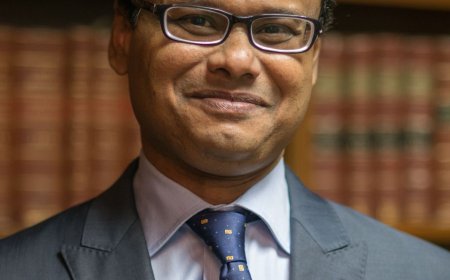



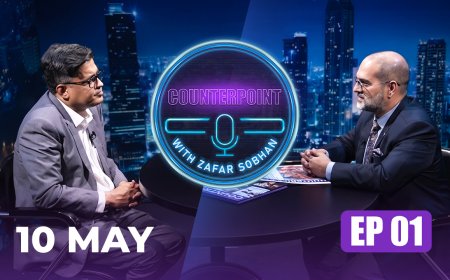
In the debut episode of Counterpoint with Zafar Sobhan, Editor Zafar Sobhan sits down with Shafiqul Alam, Journalist and former Press Secretary to the Chief Adviser of Bangladesh to discuss the Indian election and its implications for regional politics, democracy, and South Asia’s future.
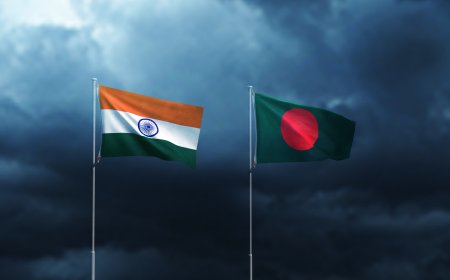
The tragedy for both Bangladesh and India is that the more anti-Bangladesh sentiment gets entrenched in India, the more its mirror image will get entrenched in Bangladesh, and the implications for both countries range from the unfortunate to the unthinkable.
Jon Danilowicz and Zafar Sobhan discuss the IMF–World Bank Spring Meetings, global and domestic political developments, and the wider implications of conflict—from historical reflections on war to the current tensions surrounding Iran.
In this episode of “The J-Z Show,” hosts John Danilowicz and Zafar Sobhan examine the escalating tensions between the United States and Iran—and the fragile ceasefire currently at risk.
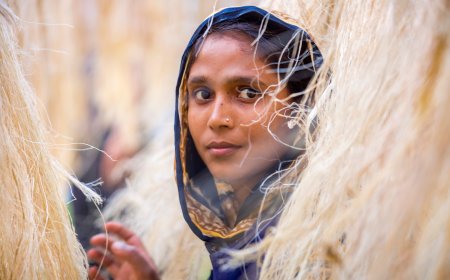
We have long ago given up hoping that our government would do anything for us, and would be content if it simply reined in its worst excesses. As the old Bengali adage has it: We don’t want charity. Just please call off your dog.

In Episode 10 of Counterpoint Generations, Zafar Sobhan and Professor Rehman Sobhan examine a range of pressing legal and political developments shaping Bangladesh today.

Failure to act appropriately will have catastrophic consequences, sooner rather than later. The AL had 15 years before their malgovernance caught up with them. The current government won't have 15 months.
Respecting the rights, dignity, and freedom of women, and ensuring full equality for women in health, education, employment, and opportunity must be established as the common ground on which all political actors in Bangladesh agree.
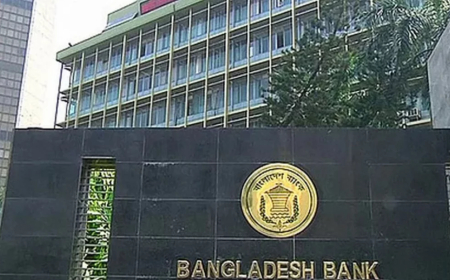
There is no better way for the ruling party to signal that it understands this new reality and that recognizes that it is truly a new day in Bangladesh, and that they too have changed their spots accordingly, than for them to quietly walk back the appointment.
If the BNP's goal had been to signal to the Bangladeshi people that everything their adversaries say about them is true, that nothing has changed from the time they were last in office 20 years ago, that they remain exactly the same party of cronyism, corruption, and contempt for public opinion, they could not have done a better job.
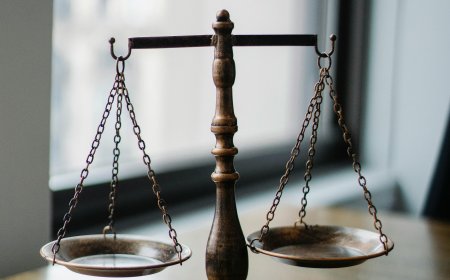
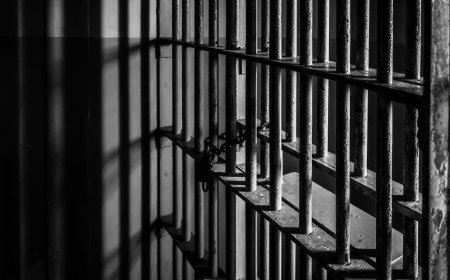
We want to live in a country where the jails are not filled with innocent men and women. This is a basic measure of the probity of any government. This is the rule of law. If there is one thing that the government can deliver for the Bangladeshi people it is this.

Episode 9 of Counterpoint Generations reflects on the immediate post-election landscape, examining voter participation, the formation of the new cabinet, and the institutional challenges facing the incoming government as parliament prepares to begin its term.
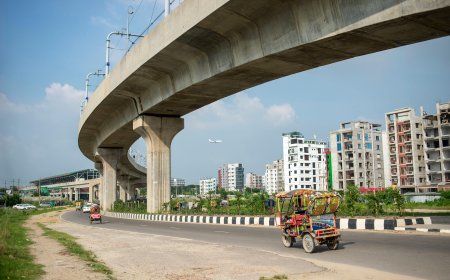
The people of Bangladesh do not ask that the government solve all or even any of their problems. They ask only that the government not be the source of their problems and that it simply does its job without favour or fanfare. And above all, they want normalcy, they want civility, they want decency.

What did the February 12 elections mean for the future of Bangladesh?