
































![A Ledger of the Soul: Navigating the Allah-Bhagavant Nexus in a 19th-Century Puruṣākāra Jñāna Caupara [Gyan Chauper]](https://counterpointbd.com/uploads/images/202608/image_430x256_6a93baa3b09a7.jpg)













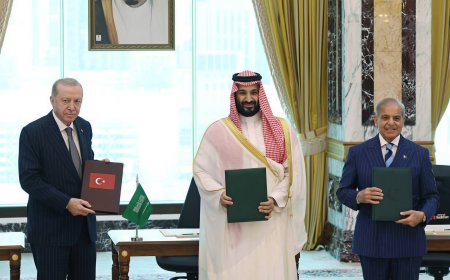
The J-Z Show examines the Mecca Pact, Bangladesh’s potential role in the emerging security arrangement, and what the latest US visit reveals about Dhaka’s evolving geopolitical position.

In this episode 10 of Counterpoint With Zafar Sobhan, host Zafar Sobhan is joined by Runa Khan, Founder and Managing Director of Friendship, for an insightful conversation on social development and humanitarian work. The discussion explores the challenges facing communities in Bangladesh and the importance of creating sustainable opportunities for meaningful change.

In Episode 09 of Counterpoint with Zafar Sobhan, Zafar Sobhan is joined by Md. Rubaiyath Sarwar to discuss Bangladesh’s first Doppler Poll. The conversation explores what the survey reveals, how its methodology and findings differ from other polls, and what the numbers tell us about public opinion.

In Episode 27 of The J-Z Show, Jon Danilowicz and Zafar Sobhan discuss the latest cabinet reshuffle as the government approaches its 180-day mark. The hosts examine the reasons behind the changes, what they signal about the government's priorities, and how the reshuffle could affect its performance in the months ahead.

Marking the one-year anniversary of The J-Z Show, Jon Danilowicz and Zafar Sobhan are joined by Dr. Rumi Ahmed Khan to assess the first six months of Bangladesh's elected government and discuss the qualities needed in the country's next President.

In Episode 8 of Counterpoint with Zafar Sobhan, Zafar Sobhan is joined by Dr. Mubashar Hasan for a candid and deeply personal conversation on regional politics, international affairs, democracy, and the geopolitical challenges shaping South Asia.A powerful conversation on democracy, human rights, political memory, and the lasting impact of authoritarian repression. #Counterpoi

In this episode 07 of Counterpoint With Zafar Sobhan, host Zafar Sobhan is joined by sports commentator and founder of Shahnoor's Shot, Shahnoor Rabbani. The conversation explores the growth of sports media, the evolving football culture in Bangladesh, and the impact of digital platforms on modern sports journalism.

Jon Danilowicz and Zafar Sobhan discuss the United States' 250th anniversary, exploring how political commemorations shape national identity, historical memory, and international perceptions in an increasingly interconnected world.

Jon Danilowicz and Zafar Sobhan sit down to ask a question that goes beyond the pitch: Can a shared love of the beautiful game actually ease international tensions — or does the World Cup merely become another arena for political theatre? As always, The J-Z Show brings together informed analysis, historical perspective, and candid discussion on the issues that matter most to Bangladesh.
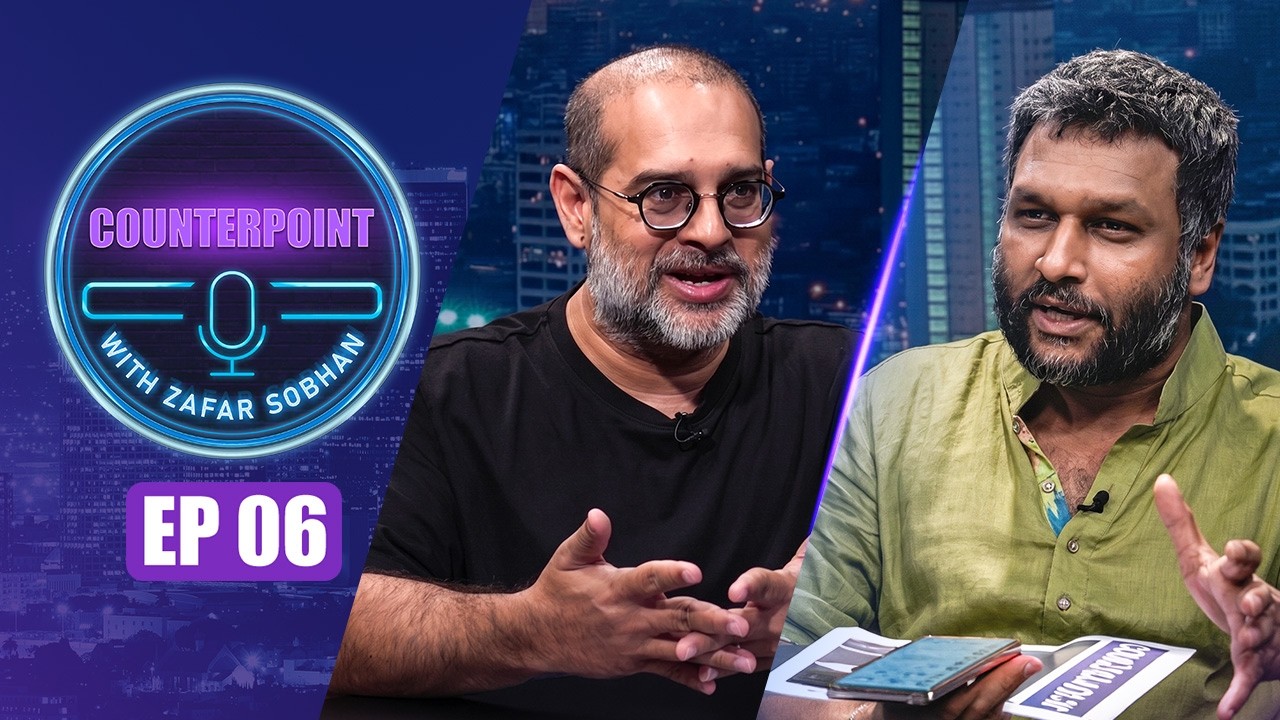
In this episode 06 of Counterpoint With Zafar Sobhan, host Zafar Sobhan is joined by Shayan Khan, Acting Editor of UNB and Executive Editor of Dhaka Courier. In this episode Zafar Sobhan, a football enthusiast engages in a discussion with Shayan Khan on the FIFA World Cup. From the selection to 32 teams and the tournament's evolution to the rise of emerging football nations, they explore what makes the World Cup the biggest sporting spectacle on earth. The conversation also covers their favorite teams, dark horses, standout players, and expectations for the tournament as...
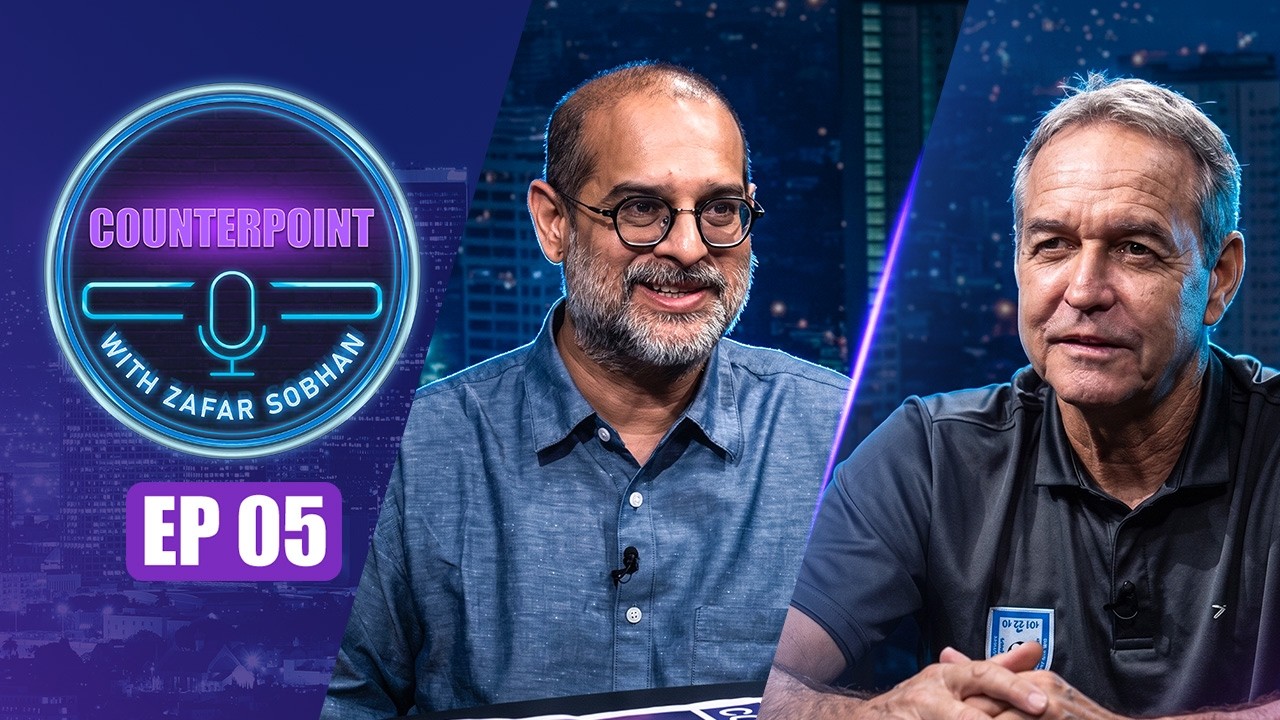
In this episode 05 of Counterpoint With Zafar Sobhan, host Zafar Sobhan speaks with Bangladesh National Football Team Head Coach, Thomas Dooley. The conversation explores football development in Bangladesh, coaching philosophy, team performance, and the future of national football on the international stage.
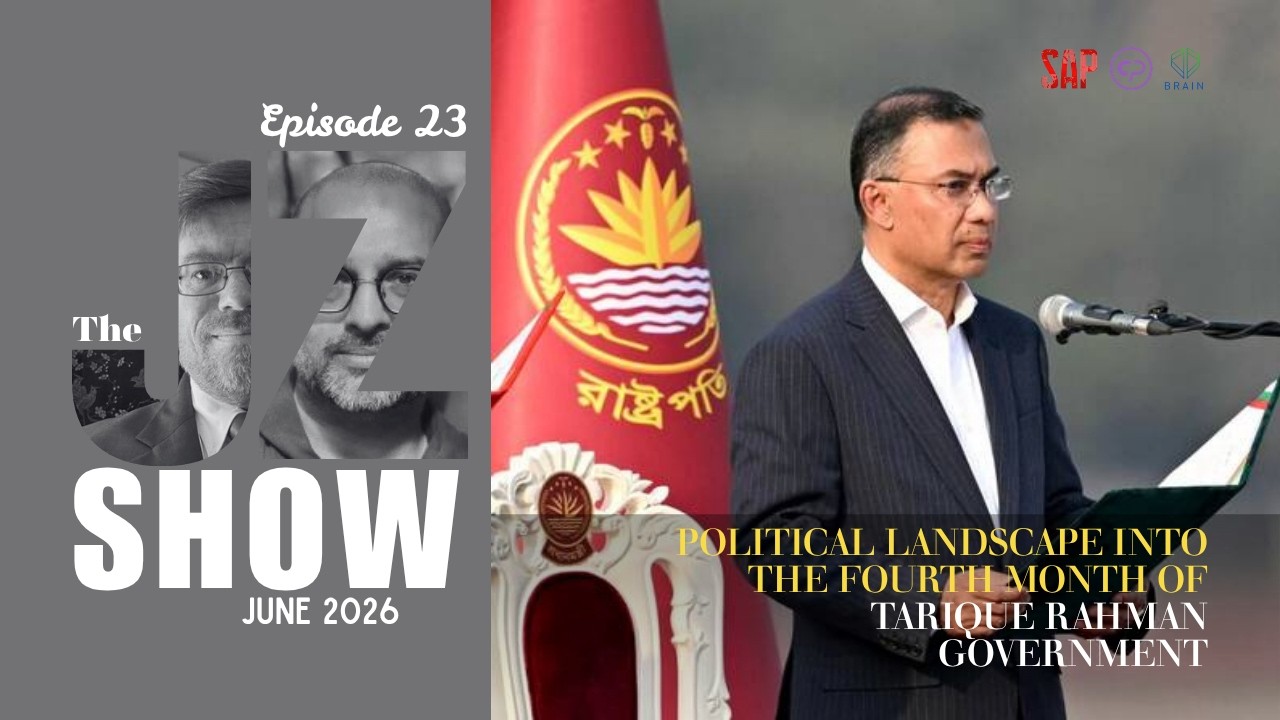
As the Tarique Rahman government enters its fourth month in office, Jon Danilowicz and Zafar Sobhan assess its early performance, the challenges ahead, and the political dynamics shaping Bangladesh's evolving landscape.
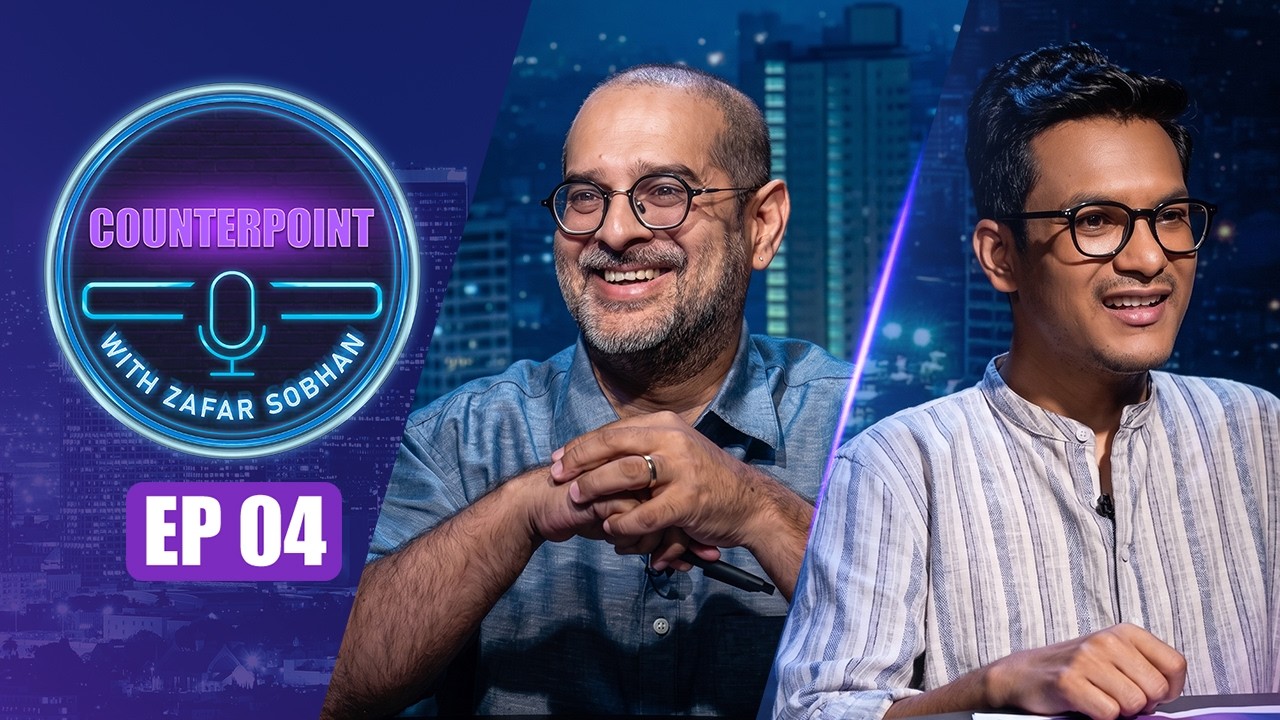
In this episode 4 of Counterpoint With Zafar Sobhan, Zafar Sobhan speaks with Nazmul Ahasan, Executive Editor of Netra News, about contemporary political developments and the evolving media landscape. The discussion explores investigative journalism, accountability, and the role of independent media in informing the public.
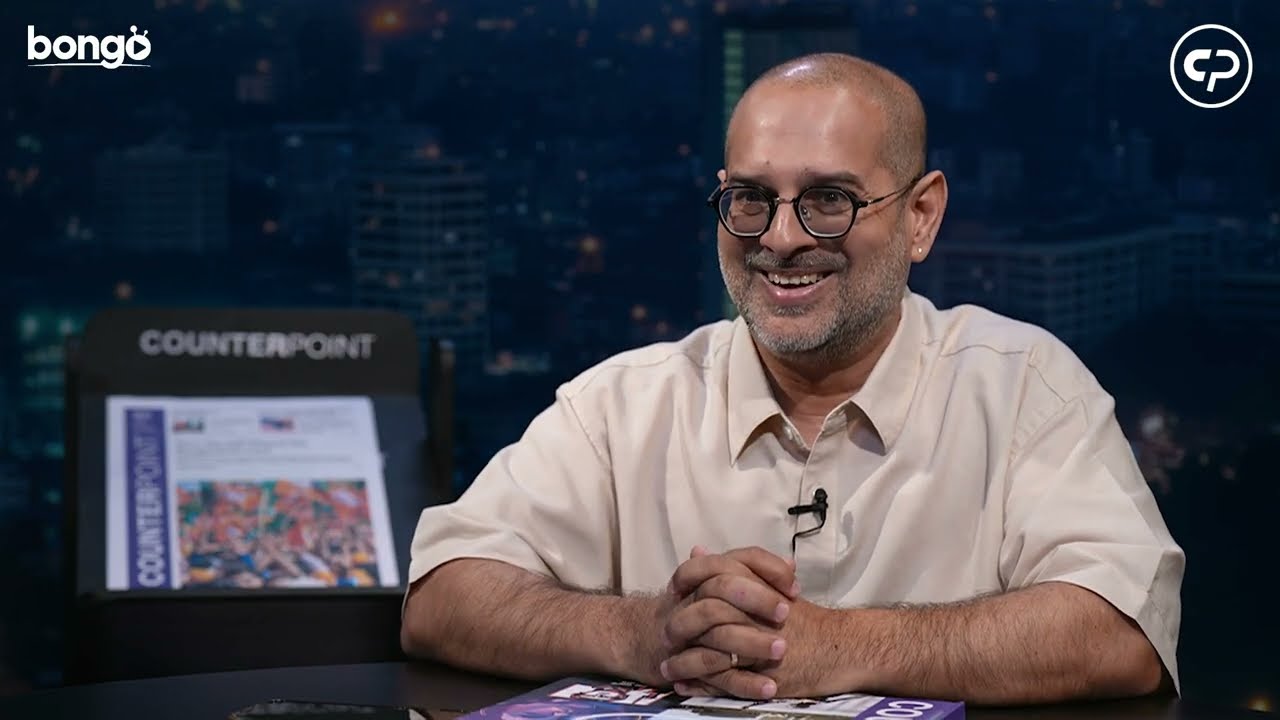
This episode of Counterpoint features a one-on-one conversation between editor Zafar Sobhan and Daily Star senior staff correspondent Zyma Islam. Together, they explore the complex landscape of media freedom and plurality in Bangladesh, reflecting on their experiences through 15 years of the Sheikh Hasina regime, the interim government, and the early days of the BNP government
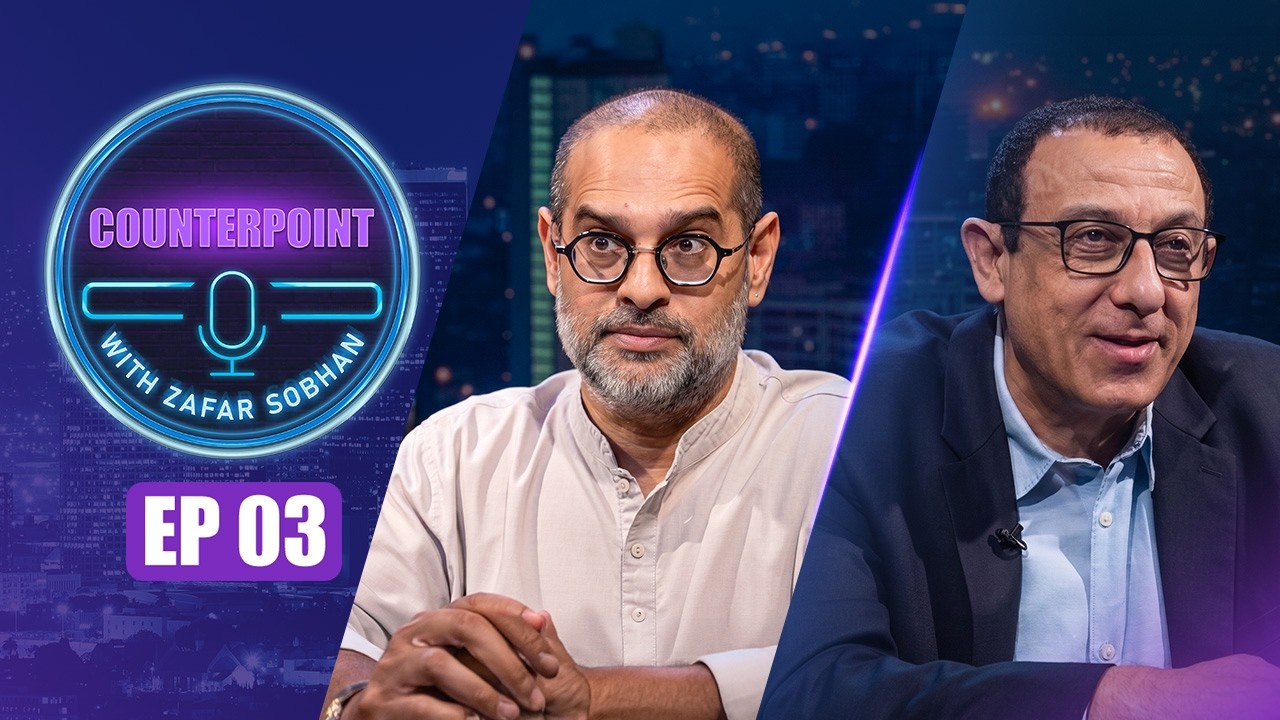
In Episode 3 of Counterpoint with Zafar Sobhan, Zafar Sobhan sits down with Palestinian Ambassador Yousef Ramadan for a powerful conversation on the ongoing crisis in Palestine, the geopolitical role of the United States and Israel, and the historical roots of the conflict.
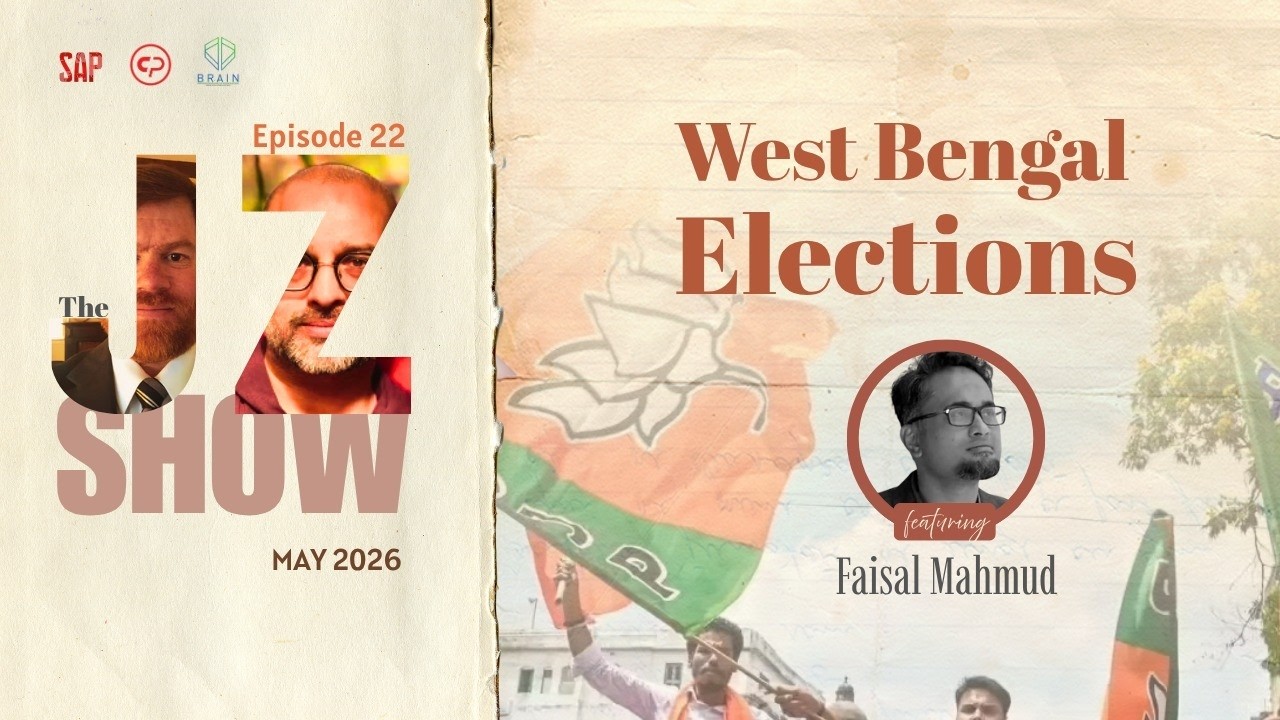
In Episode 22 of The J-Z Show, hosts Jon F. Danilowicz and Zafar Sobhan are joined by journalist and political analyst Faisal Mahmud for an in-depth discussion on the upcoming West Bengal elections and their wider implications for regional politics.