

































































Zakir Kibria is a writer, policy analyst, entrepreneur based in Kathmandu, Nepal. Chronicler of Entropy | Chasing next caffeine fix, immersive auditory haze, free falls. Collector of glances. “Some desires defy gravity.” Email: [email protected]
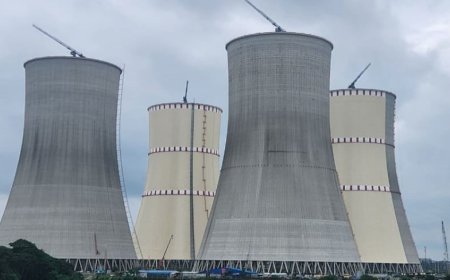
A nation that had waited 50 years for its first nuclear power plant was, at last, watching it breathe. Five months later, in a New York conference room, a very different signature was being applied.

When Global South outlets amplify that framing without question, they become complicit in a propaganda architecture they did not build and do not control.
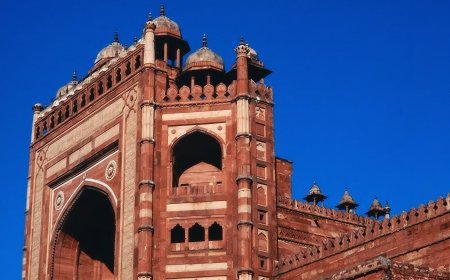
What if Salman Rushdie's Mughal-Florentine fever dream was the film South Asia desperately needs right now?

The water cycle is the planet's great equalizer. We have forgotten this. The flood is a brutal reminder.
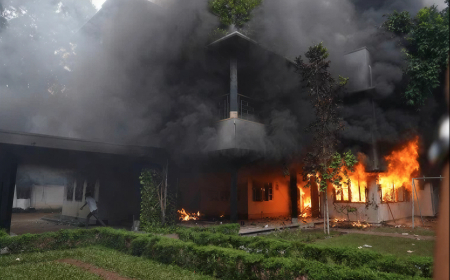
But for the first time, the ghosts of Dhanmondi 32 have found a voice in a court of law. The question now is whether the system will listen -- or whether this too will become another act in the long-running performance of impunity.

To imagine a post-Western world is not to erase the Odyssey from cultural memory. It is to place it in a larger gallery. To see its frame. To notice what the frame excludes. And to realize that the exclusion is not natural but constructed, maintained, and, when necessary, violently defended.

The decolonization of our newsfeeds is not an abstract intellectual exercise; it is a matter of life and death. When a mother in Tehran, a father in Gaza, or a child in the Congo is bombed into oblivion, we owe it to them to bypass the filters of London and New York.
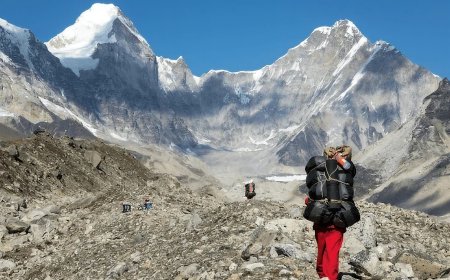
The Western adventurer, armed with a historically cultivated obsession and corporate capital, comes to a land where the mountains are woven into the spiritual and daily life. He relies on the unparalleled skill and strength of the Sherpas, whose names are too often relegated to the fine print of history, to achieve a personal zenith.

I am profoundly thankful that Senehma exists. And I am profoundly terrified that she does. Because the world we have built demands that we learn to doubt miracles, just so we can survive the unrelenting noise of the horrors.
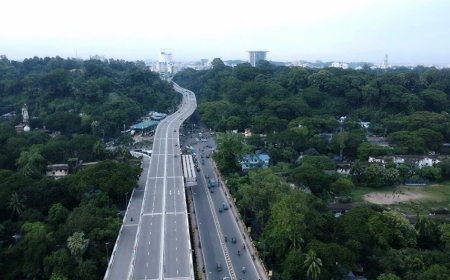
Why the $6 billion expressway must be financed by the people who will drive it -- and what the Global South can teach the West about infrastructure.
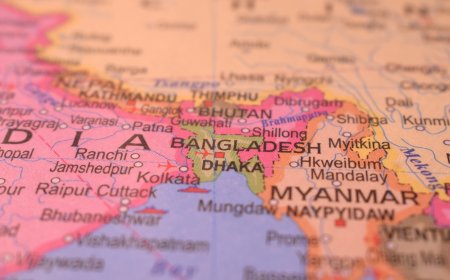
The binary is brutally simple. Nations that negotiate as supplicants get extracted. Nations that negotiate as sovereigns get developed.

When a person dies at a railway crossing, we do not abolish the railways. When a pilgrim is trampled at a religious gathering, we do not demolish the shrine. We install gates. We create safety protocols. We manage risk. In Bagerhat, none of this was attempted.

The images of her with the cat and the milk aren't just pictures. They are a manifesto for a very specific kind of dignified living -- a life where glamour and domestic intimacy sit side-by-side, looking off into the middle distance, accepting the world exactly as it is.
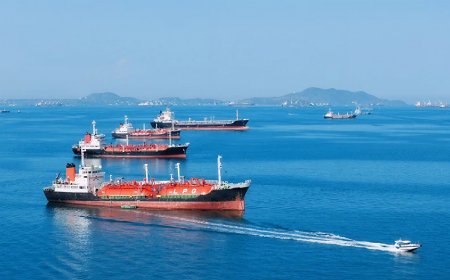
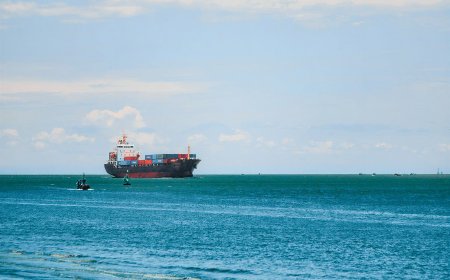
But the Strait of Hormuz never read your book. It does not care about Hegel. It does not care about the "universalization of liberal democracy." It cares about the presence of a warship within 500 kilometers of its shores -- and it has learned to fire a missile that can make that warship regret its existence.
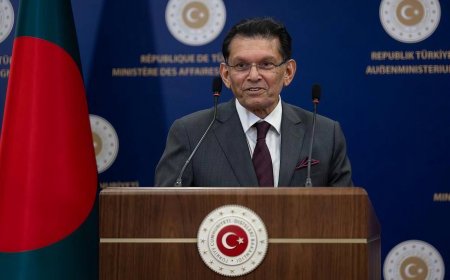
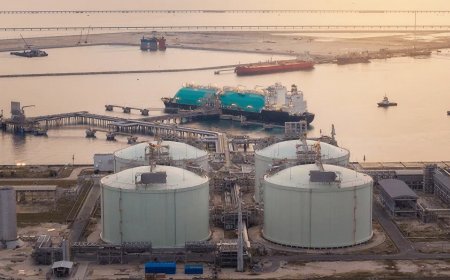
The compact’s energy architecture amplifies rather than mitigates geopolitical shock exposure. A rational energy-security doctrine would diversify suppliers, transit routes, and contract structures; this agreement funnels us toward a single, unbuilt source over which we possess zero strategic control.

This was hauntology made personal -- the past haunting the present -- but my ghosts were .mp3s, glitching in the digital afterlife.