






























![A Ledger of the Soul: Navigating the Allah-Bhagavant Nexus in a 19th-Century Puruṣākāra Jñāna Caupara [Gyan Chauper]](https://counterpointbd.com/uploads/images/202608/image_430x256_6a93baa3b09a7.jpg)


















Kawsar “KC” Chowdhury is an entrepreneur, commentator, and Co-Chair of the Global Bangladeshi Alliance. He works closely with the Bangladesh Caucus in the U.S. Congress, helping shape diaspora-driven policy, trade, and education initiatives. KC hosts Bangladesh & The World and KC Talks, two podcasts that dissect politics, accountability, and reform with candor and wit. A published op-ed writer, his essays on governance, corruption, and education have earned wide attention. With over 25 years in international business and public advocacy, KC bridges commerce, politics, and culture to amplify Bangladesh’s global voice.
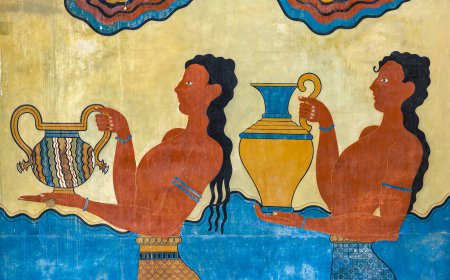
We like our ancient history sorted into clean boxes, but the Late Bronze Age never got the memo, and neither did its stories. This is the story of where those threads actually came from -- and how they came to be woven, unwoven, and rewoven into the tale we now call Troy.

The doctors of Bangladesh are not the disease. They are symptoms of a system that has been starved, stretched, and left to collapse quietly while our politicians fly to London and Singapore for their own check-ups. Someone needs to call this what it is. A national emergency. A moral failure. A crusade waiting for people willing to fight it.
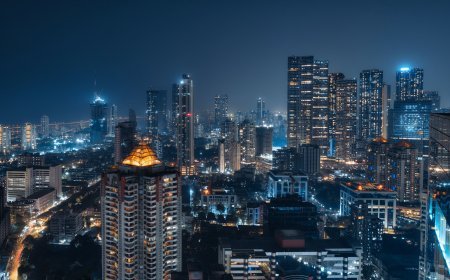
We must break the silence of the graveyard. The cure for inflation is found in the shovel, the tax holiday, and the cold-room -- not in a 15% interest rate. To follow India’s policy is to finally choose a stability that breathes.
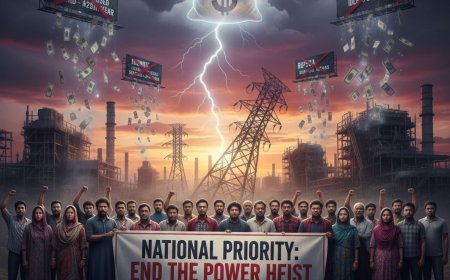
The National Review Committee’s report is not just an audit; it is a Directive for Sovereignty. The new government must now prove its commitment to the people by executing these three non-negotiable actions. The evidence is in. It is time for the new government to terminate the heist and reclaim our energy future.
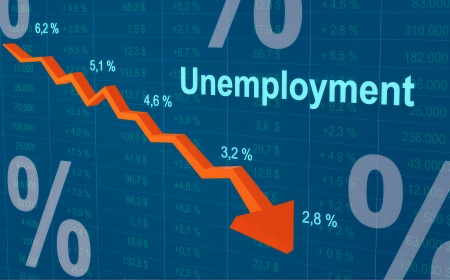
You cannot have a stable nation where the youth are unemployed and the factories are silent. Stability built on silence is an illusion.
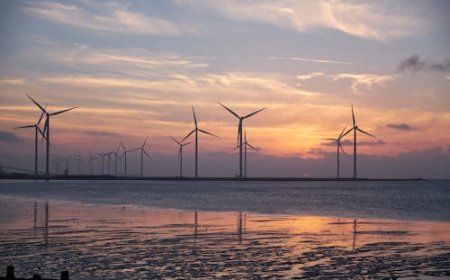
By erecting solar canopies over these historic arteries, we can generate thousands of megawatts of clean energy while providing the shade necessary to preserve our water levels. Beneath these canopies, the state must build structured aquaculture systems, renting them back to local farmers.
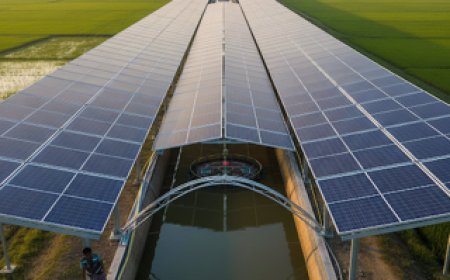
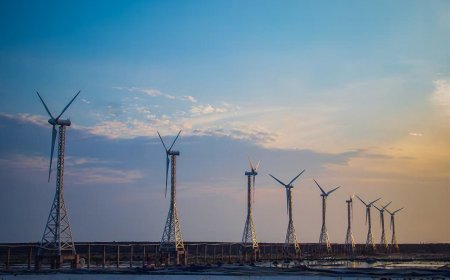
There is a blueprint for restoration. It lies in the very veins of our land: the 20,000 kilometers of canals that define our geography. We can transform these waterways into a 36-gigawatt sovereign circuit.
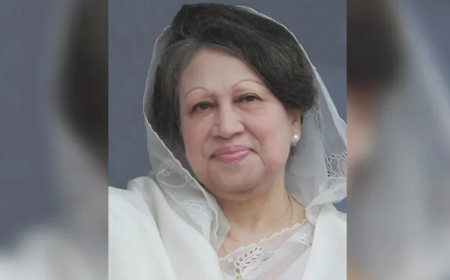
But to me, she remains the woman who could slip through a military blockade as easily as she could appreciate the simple sanctuary of a family meal. She taught us that true power doesn’t come from the title you hold, but from the responsibility you carry for those you love.

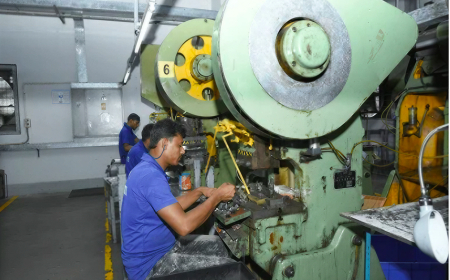
What is being proposed is a National Education & Skills Master Plan -- not a document, but an operating system. Its core rule is brutally simple: no training exists unless it maps to a destination country, a verified certification standard, and a real wage ladder.

The countries that thrive in the next decade will be those that export skilled humans -- not bodies. The countries that survive will be those that build talent -- not hope for visas. And the countries that collapse will be those that cling to dead models and call it “tradition.”

The global shortage is real. The demand is guaranteed. The opportunity is enormous.
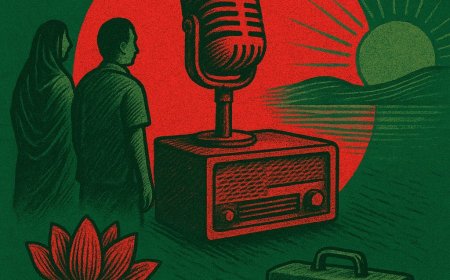
This short story was first written and published in 1994. Today, it has been reimagined for our present moment -- not as nostalgia, but as a challenge, in the hope is that it stirs voters to question themselves, and in doing so, sparks the debate our nation desperately needs.

Proportional representation sounds fair, but can lead to fragmentation and fracture of the polity. In the Bangladeshi context, it may deliver instability we don't need.
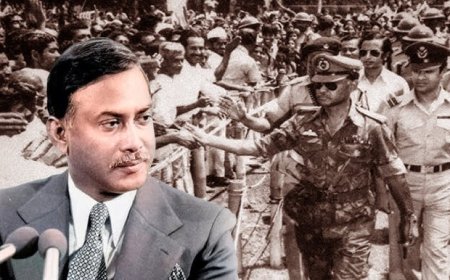
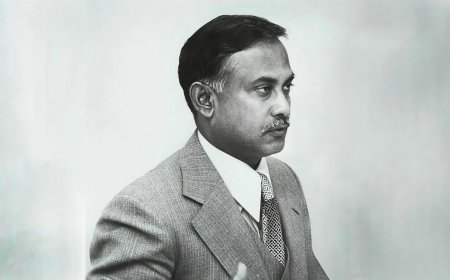
History does not present Ziaur Rahman as a schemer, clawing for power. It confronted him with moments when silence or paralysis threatened to suffocate the Bangladeshi people. Each time, he stepped forward because no one else would.